By Farida and Nilay
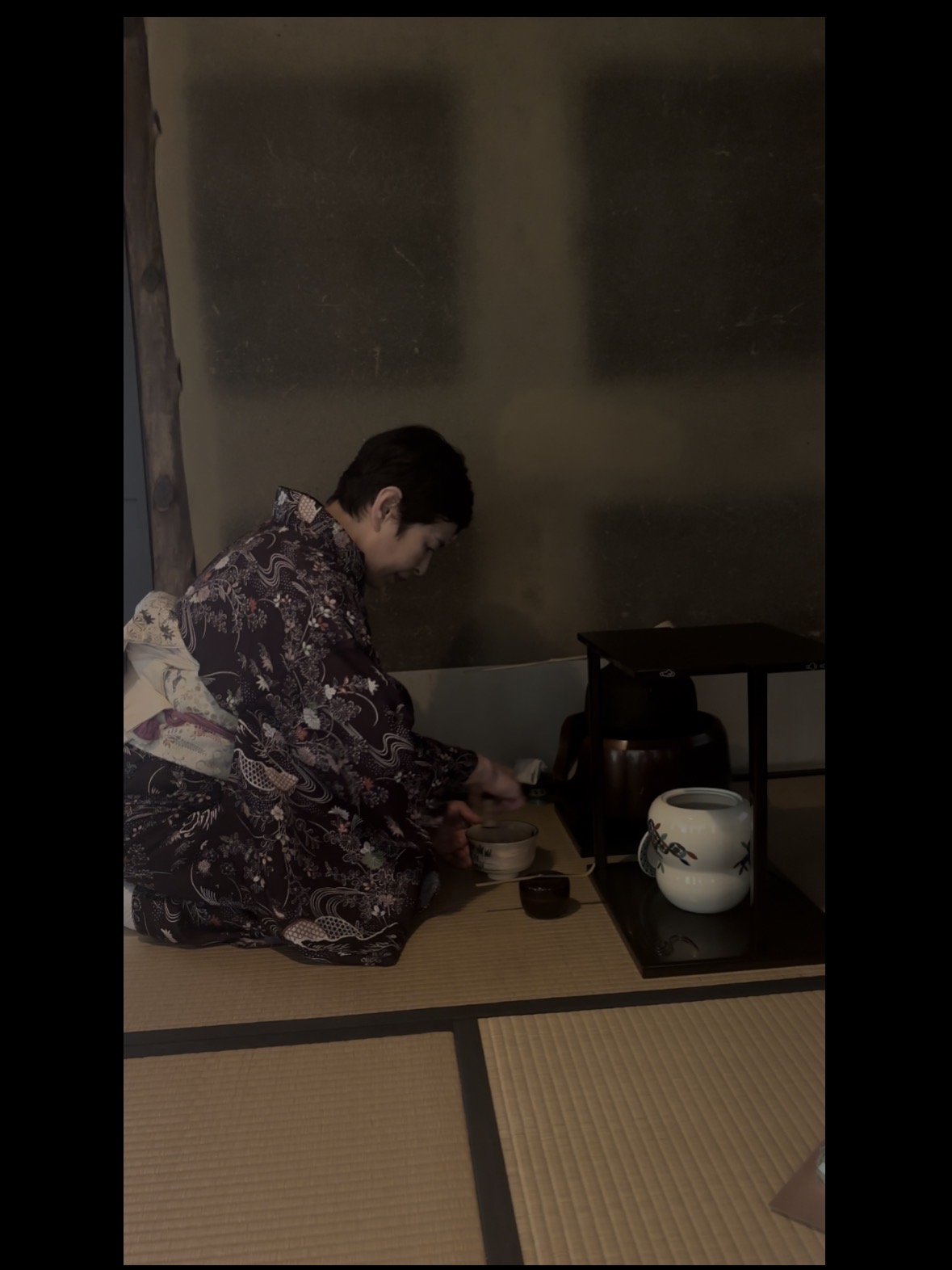
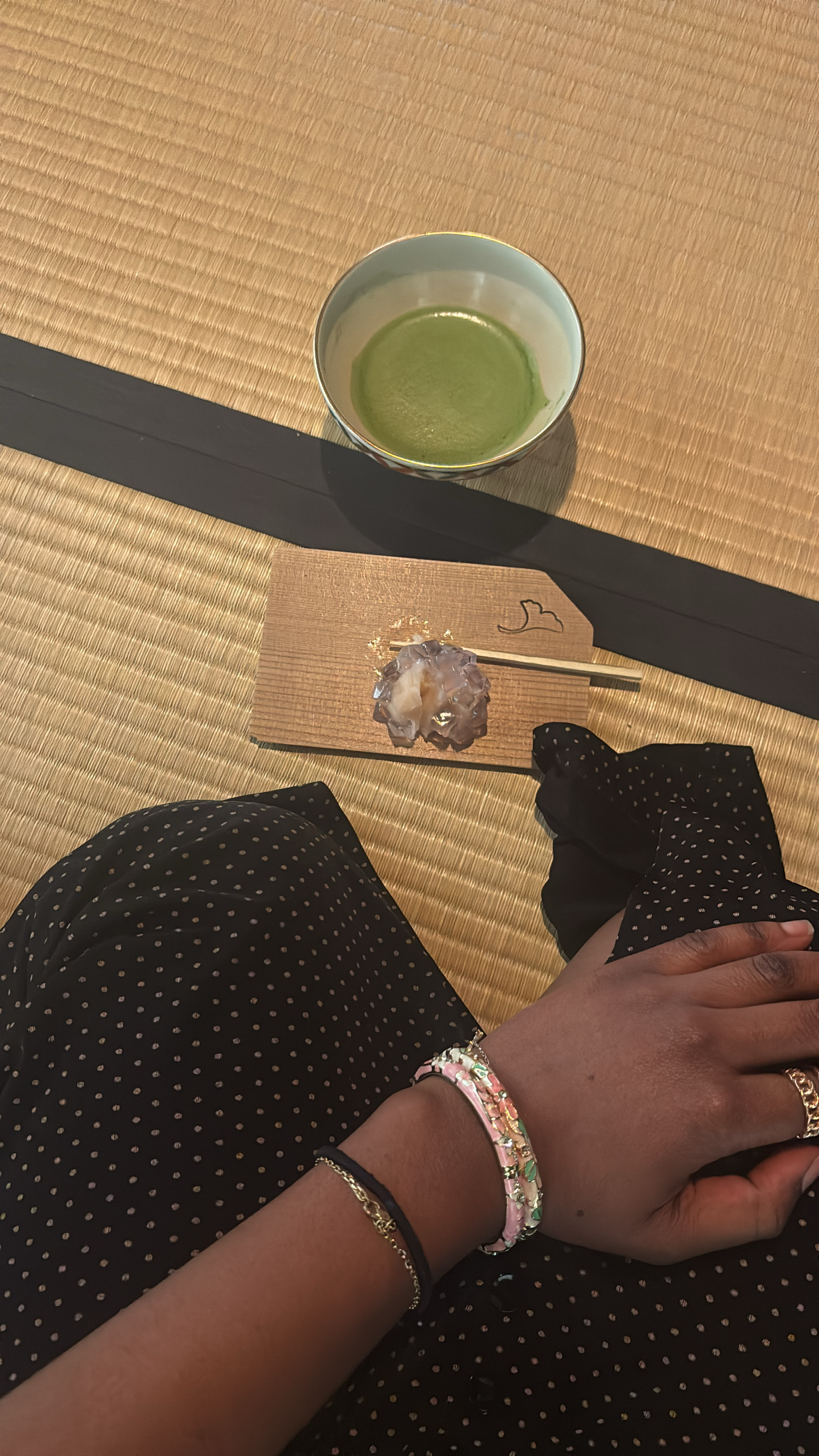
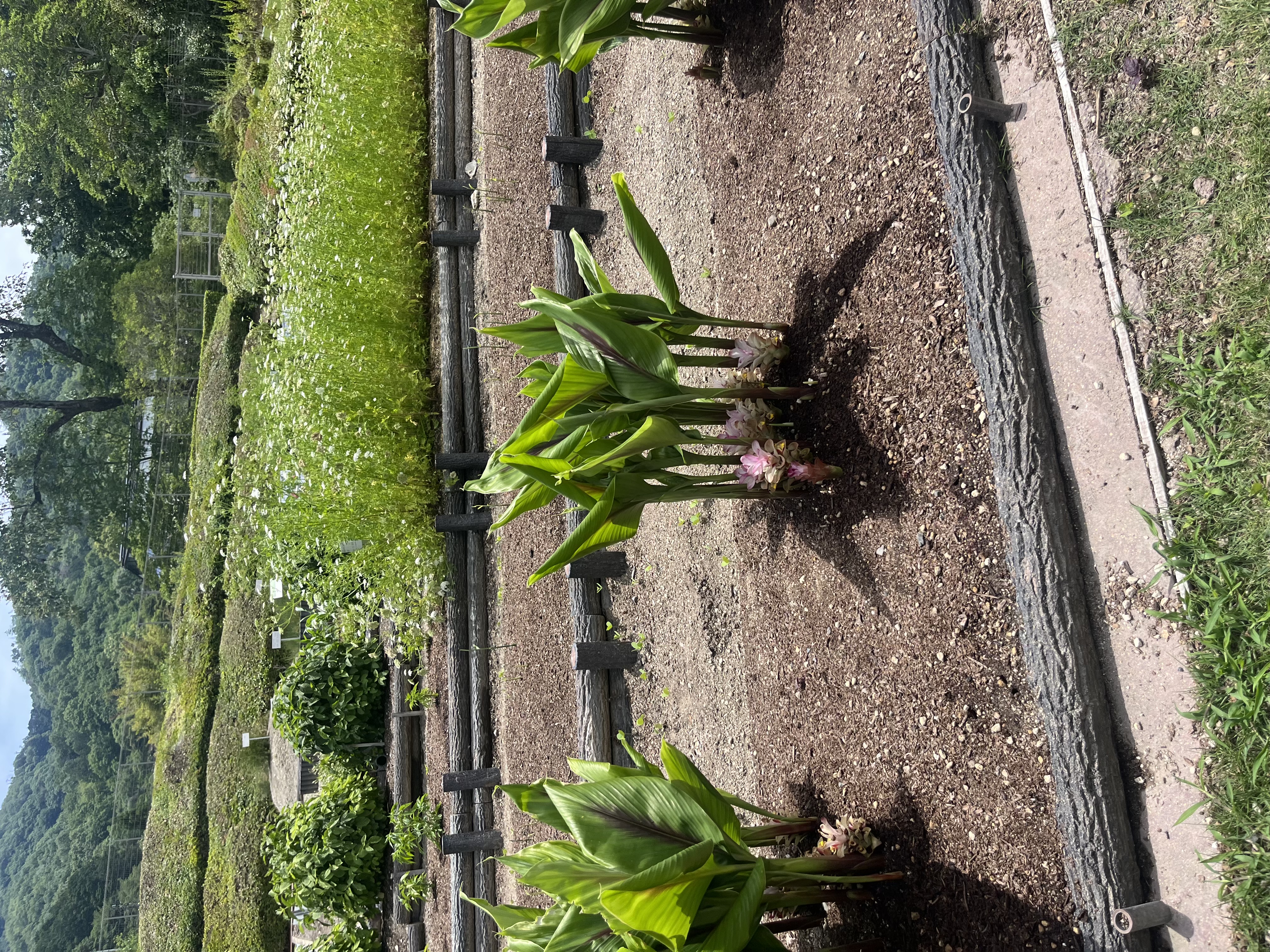
Today, we got a tour of the Takeda Medical Garden in Kyoto. As the garden was extremely large and would take 6 hours to tour the entire garden grounds, we only looked at certain parts of the garden. Out of the 7 different parts of the garden, we saw the Central Garden, the Kampo Garden, the Exhibition Hall, the Folk Medicine Garden, and the Spice Garden. We did see some of the plants that Professor Ng talked to us about in our lecture the previous day. For example, the plant Digitalis Purpura is primarily used for cardiotonic issues. A common surprise for the group was the intensity of the Japanese peppers. At first, it tasted as normal peppers do, but then it took an unexpected turn for the more intense. It really started to burn, and it got to the point where the tongue got numb. This feeling lasted for a while before it fully dissipated. On the more interesting side, we tried a plant that ended up removing the taste of sugar after consumption. We also saw the exhibition hall that housed harvested varieties of the plants that were growing outside. They had everything from cloves to agarwood. The main exhibition hall was built in Kobe City in 1908, but was destroyed by the Hanshin-Awaji earthquake in 1995. It was then moved and reconstructed to the location it stands at now in the Takeda Garden. One of the main purposes of the garden is to help the community, to preserve endangered species, and to raise awareness. For instance, the plant Hollyhock ended up being wiped out in Kyoto, but thanks to the preservation efforts from the Takeda Garden, the 1,500-year-old festival that celebrates the plant was able to continue going. The company also supports international work with collaborations with 80 different foreign countries. The global hub for the company isn’t even in Japan, but in Cambridge, Massachusetts. One of the main areas of focus for the company is gastrointestinal problems, as well as the treatment of rare diseases. The company also conducts trials of its products to help support its mission of treating diseases.
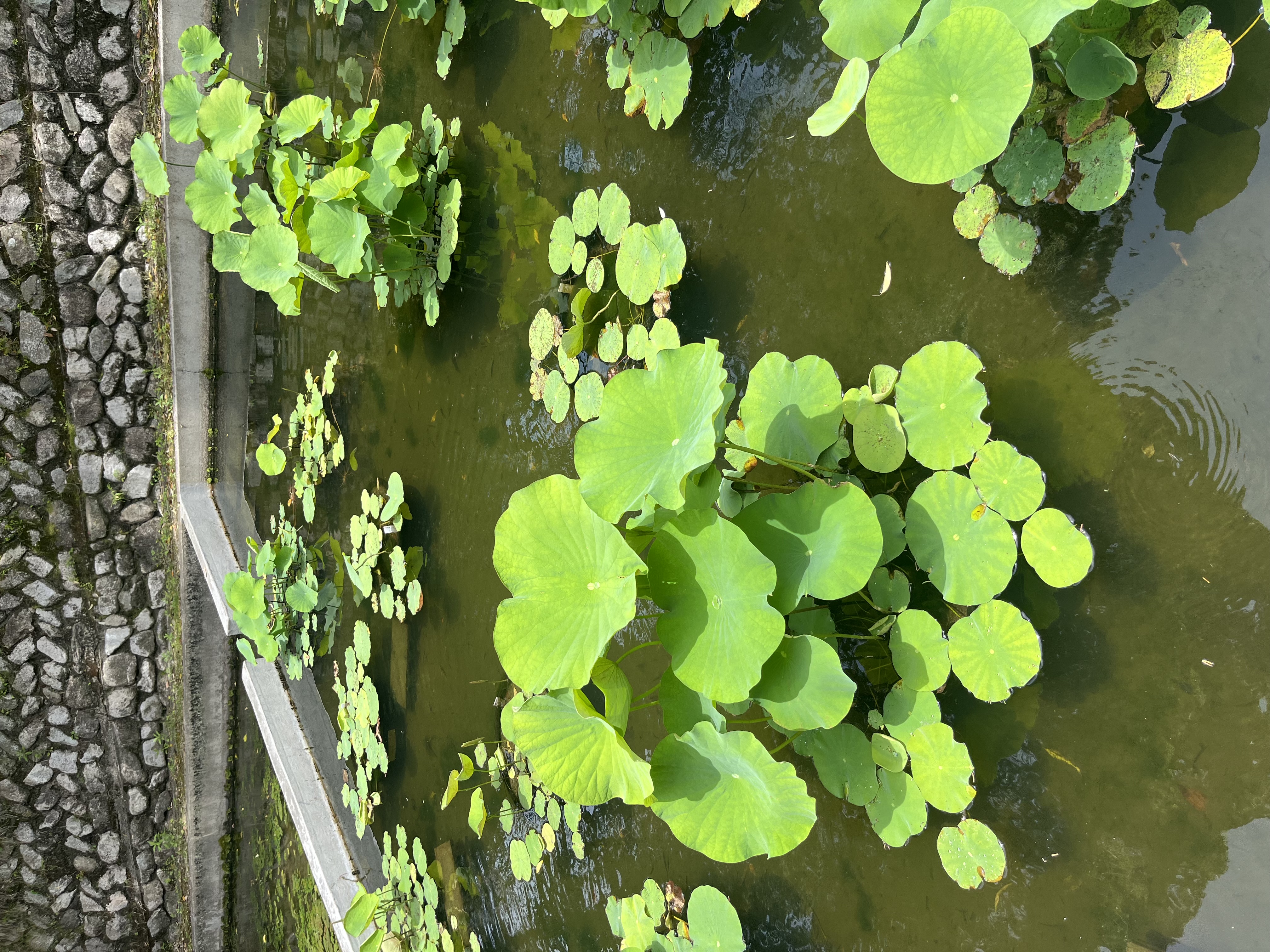
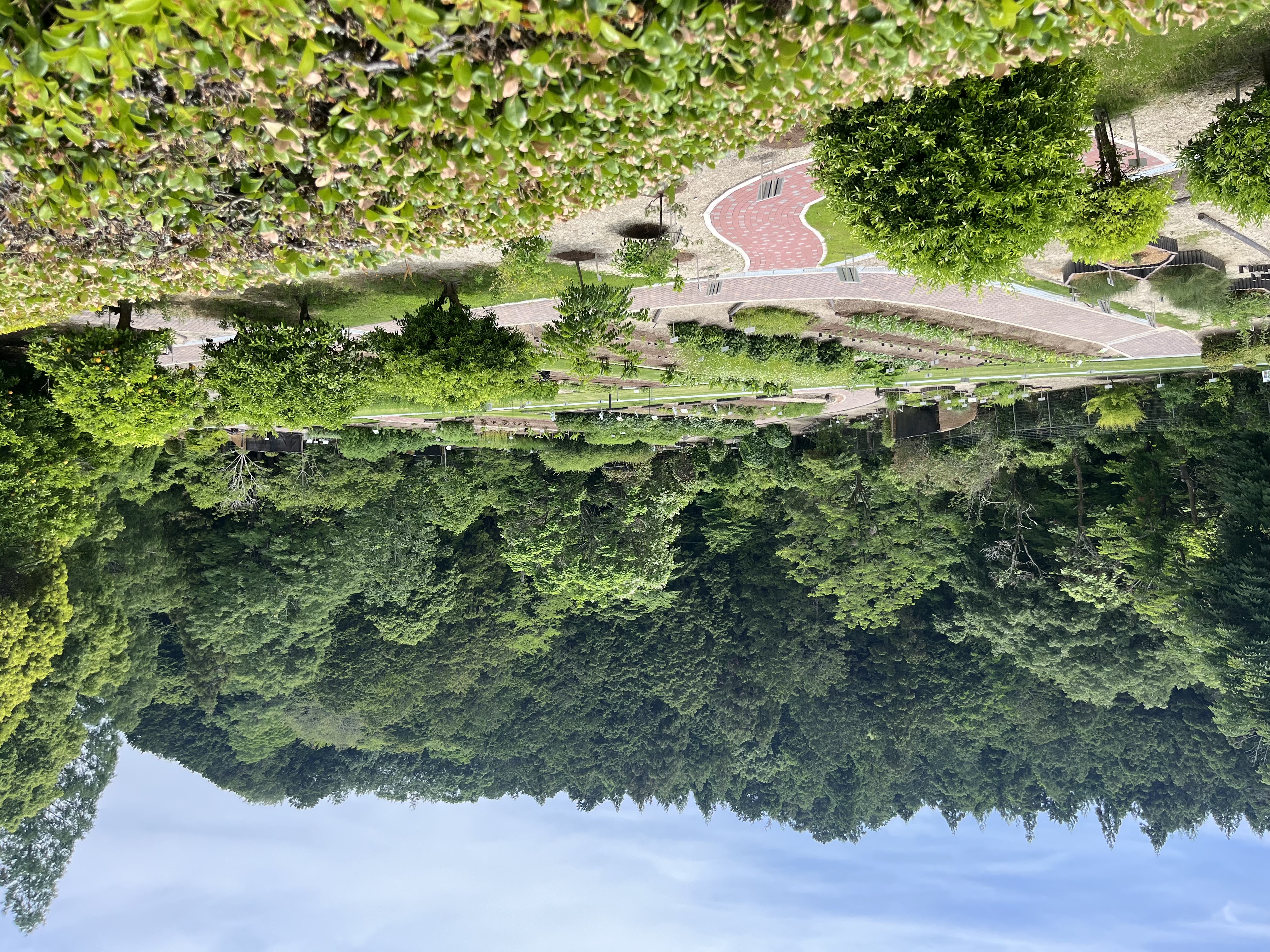
Later in the day, we participated in a traditional tea ceremony at Kansai Seminar House. Going into it, I expected the focus to be on drinking tea, but I quickly realized that the experience was about much more than that. The ceremony took place in a quiet tatami room. The tea master carefully prepared each utensil and performed every movement with precision. Before we drank the matcha, we were served a seasonal wagashi. The sweet was designed to look like a hydrangea flower. What surprised me was how much attention was paid to its appearance. Everyone spent a few moments looking at it before eating it. It felt less like a piece of candy and more like something that was meant to be appreciated first. Seeing the wagashi during the tea ceremony made me think back to Holtzman’s article, To Love Sugar One Does Not Have to Eat It. In the reading, he talks about how sweets in Japan are often appreciated for more than just their taste. The wagashi was made to reflect the season, and before I took a bite , I found myself taking time to look at all the beautiful details of this sweet. It did not feel like something that was meant to be eaten quickly. Also, the tea ceremony also made me think about the connection between tea and sugar. The wagashi was sweet, and the matcha was slightly bitter, and the two balanced each other really well. What stood out to me was that the sweet was small and carefully made. It was not about eating a lot of sugar. But it was about appreciating the the role it played in the ceremony. That made me think of Holtzman’s argument that sweets in Japan are often valued and taken into moderation rather than overindulgence. Experiencing the tea ceremony gave me a new perspective on tea as a commodity. Like the many plants we saw at the Takeda Medical Garden, tea began as a natural product, but over time it became something bigger that is now closely tied to many Japanese traditions and values.