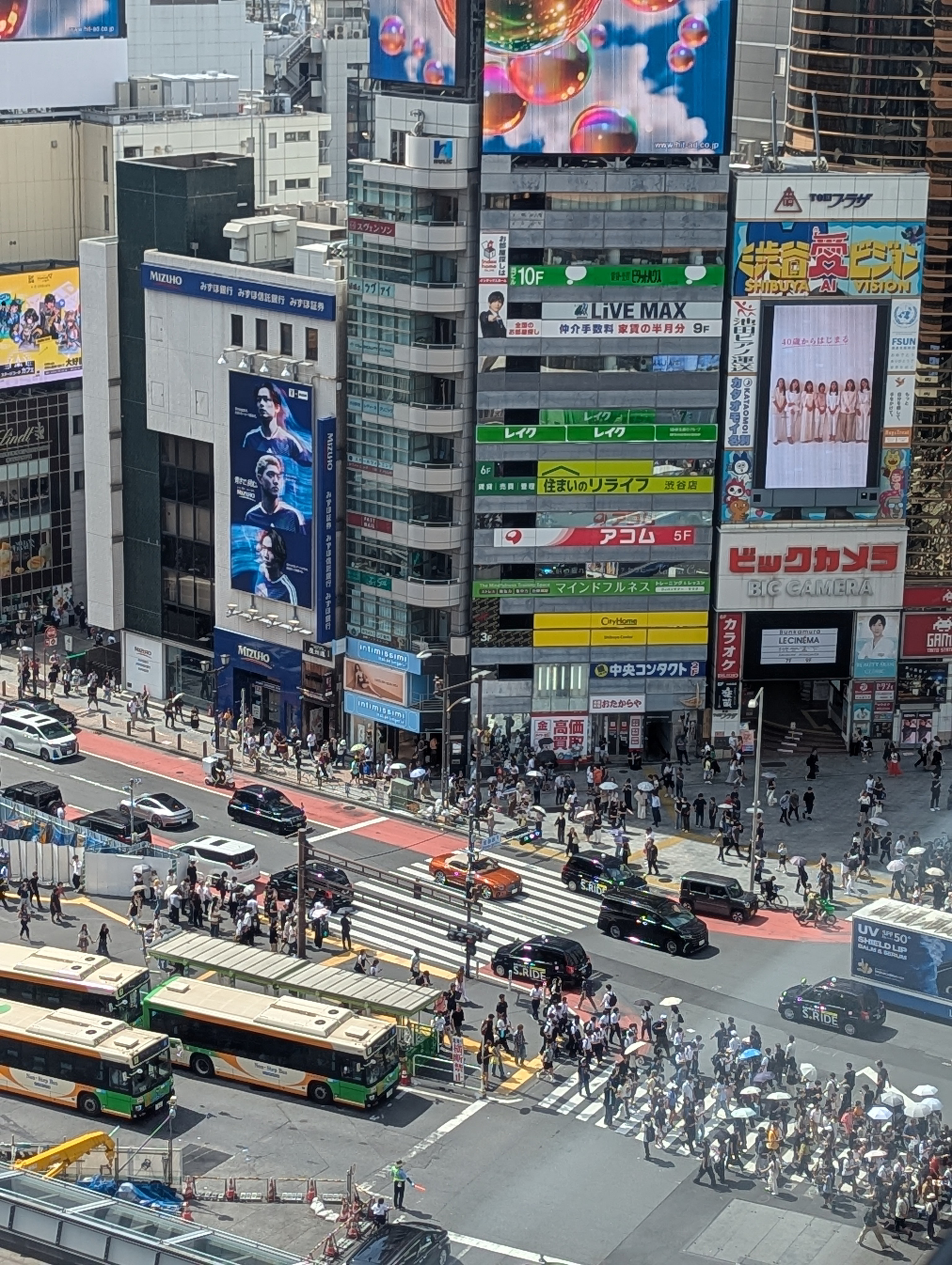
Shibuya crossing
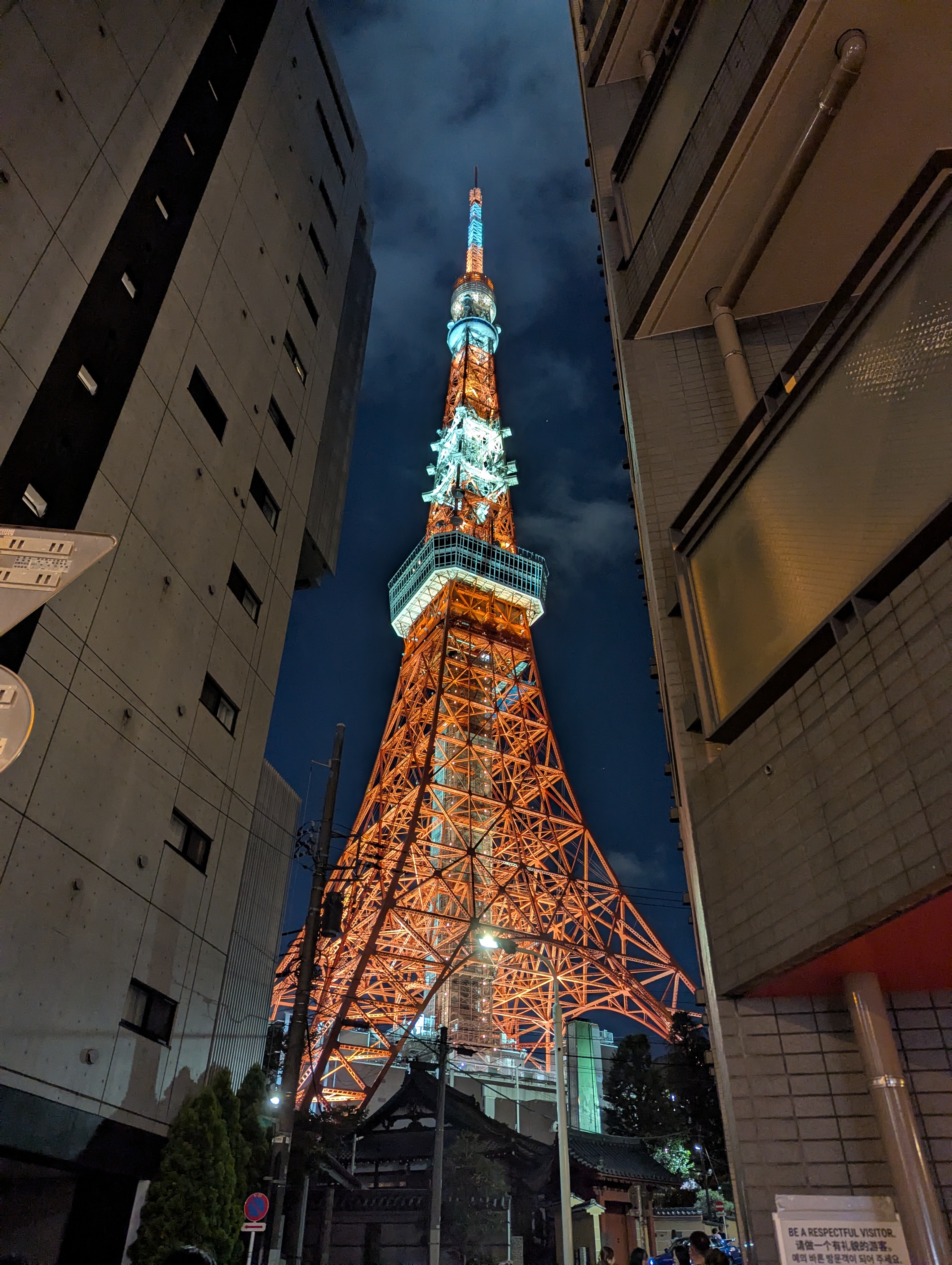
Tokyo Tower
Toranomon, Tokyo
The cultural life of commodities
Shibuya crossing
Tokyo Tower
Toranomon, Tokyo
By Olivia and Cristiana
It’s kind of hard to believe that this is going to be the last blog post made on this site (we think)! Today, we came back to Tokyo on the shinkansen. Instead of rehashing the shinkansen experience, something that really struck us was the experience of returning to a place instead of going to a new one. When we took the train to Kyoto the first time, it felt very novel as we had never been on the bullet train before and because we were heading to a new area of Japan that was vastly different from Tokyo. Many of us had grown familiar with Tokyo, its sights, and how to navigate it, but Kyoto was much less urbanized (especially in the area we were staying) and the navigation system was much more confusing than the train system in Tokyo. Essentially, it was a little bit like relearning how to be a foreigner in Japan.
One of the major differences between Tokyo and Kyoto, as previously mentioned, are the transportation systems. Tokyo and Kyoto have both bus and train systems, but each rely on one more than the other– in the case of Tokyo it is the former and in the case of Kyoto, it is the latter. When we all returned to Tokyo and reached the train platform, the Yamanote Line jingle played and the faces of almost all of us lit up almost instantly. We had been talking throughout Kyoto about how we all had missed the voice of the announcements and the train jingles, but I don’t think that anyone realized how much peace the sound of something that had become so familiar would bring all of us. The inflections of her voice and the tiny sound from the speakers was almost like a homecoming.
Another major difference was the effect that cultural nuances (Shintoism, Buddhism, arts, etc) had on us while in Kyoto. The fact is that a majority of our stay in Kyoto was surrounded by these nuances. But while we were in Tokyo, there wasn’t much of it to see unless we made the effort to see it ourselves. To me, these small defining characteristics made such an impact on our experience in Kyoto. We’ve talked about the idea of “Japaneseness” and I believe Kyoto as a whole is a great example of “Japaneseness”. It is a city of preserved art forms and culture, not completely feeding into the changes with western tones. There is a strong sense of preservation for centuries old traditions and arts that Tokyo has seemed to let its modernizing overshadow. Kyoto is where we saw the tea ceremony, nishijin textiles, kimono/cloth weaving, textile dying- all of these that make up the term “Japaneseness” all have a foundation within Kyoto.
These differences across both cities represent why it’s so important not to generalize Japan into a monolith of a singular history, aesthetic, and culture. Kyoto and Tokyo were two very different areas, despite both being important to Japan’s history and both being major Japanese cities. Thanks to this trip, and hopefully thanks to this blog for some of you who have been following along consistently, we have been able to really begin to reify Japan into something complicated and nuanced that goes beyond a superficial understanding. In coming back to Tokyo after so much time in Kyoto, it demonstrated the range of experience possible in Japan and solidified the belief that Japan is more than what we generalize it to be.
By: Nilay Ernst and Zach Joyal
The history of the Zainichi or Koreans living in Japan is incredibly complex. Originally, they came over to Japan from Korea to flee Japanese-occupied Korea. They fled so they would not get arrested by the Japanese or fined by them. Japan had occupied Korea previously, but most of the Zainichi had fled from Japanese-occupied Korea from 1910 to 1945. The main reason that they ended up in Utoro is that the construction of an airfield took place in 1940. This was a chance to take a job in Japan and to flee the Japanese Army in Korea. In 1945, the construction of the airfield came to a close as the Second World War had ended. The Zainichi remained in the area despite the war ending. Then, in 1987, Nissan ended up buying the land that the Zainichi were living on. This became a problem in 2000 when the Japanese Supreme Court ruled that they had no legal right to remain residents of Utoro. This forced many residents to return to Korea. In 2001, the UN demanded that Japan take corrective action for the mistreatment of the Zainichi. Despite all of these actions, the Zainichi still ended up living in poverty. So as a result, in 2005, fundraising efforts from Korea started, and in 2007, Korea sent 3 billion Korean Won over. In 2018, the poor housing conditions came to an end with the demolition of the houses in favor of better housing.
The Utoro Peace Memorial Museum opened its doors in 2022. It features three floors, with the first floor being a multi-purpose hall. The Second Floor features a permanent exhibition on the history of the residents of Utoro and the struggles that they faced. The third floor is a space that is reserved for special exhibitions. Currently, the museum features an exhibit about Koreans who survived the atomic bombings of Hiroshima and Nagasaki. The top floor features a rooftop observation of the neighborhood. Finally, the outdoor exhibit is a recreation of a Bunkhouse to show the living conditions of the Zainichi on the grounds of the airfield. Inside the bunkhouse are some of the remains of the buildings that were burned down in a hate crime by a Japanese man in 2021.
The museum was built in large part due to a disturbing set of hate crimes that occurred in 2021. Arimoto Shogo, a 22-year-old Japanese man, set fire to a damaged property that belonged to the Aichi Prefectural branch of the Korean residents in Japan as well as the Nagoya Korea School. The same man used a lighter to set fire to an unoccupied house in the Utoro district, and this damaged 40 historical signs and destroyed several buildings. This was known as the Utoro Arson Incident. Arimoto Shogo felt that the Utoro represented land occupied by those who were not Japanese. Unfortunately, this isn’t an isolated incident as anti-Korean sentiment has been a prevailing issue for multiple decades. This can be seen online as several incidents of hate speech have been reported, with accusations against Koreans “being foreigners involved in domestic affairs.”
The museum is a centerpiece of this community, with the first floor having a library for people to learn more about their culture, a kitchen space for people to share a meal, and even a basketball court outside. The main idea behind this is to get young people to learn more about their history, and this starts by drawing them in with a basketball court to go to after school. The Utoro community is shrinking, as many of the younger generations have left to find better economic opportunities. There was a new apartment complex built by the museum in recent years, but the lack of government representation makes it difficult to sustain a community. Even with all of these setbacks, however, many still try to put the best foot forward and be proud to be a part of this unique community. The difficult question that many members of the Utoro community face is whether to get Japanese citizenship or not. Although this would give them access to more opportunities and voting rights, many feel that they would lose a part of their Korean identity by applying for Japanese citizenship.
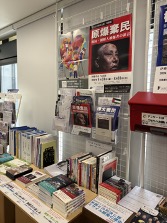
The Gift Shop on the Groud Floor
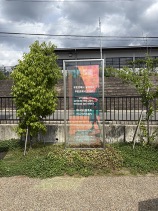
A Sign Outside the Museum
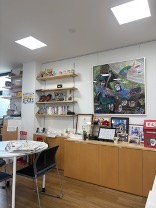
The Ground Floor of the Museum
By: Akua and Caitlyn
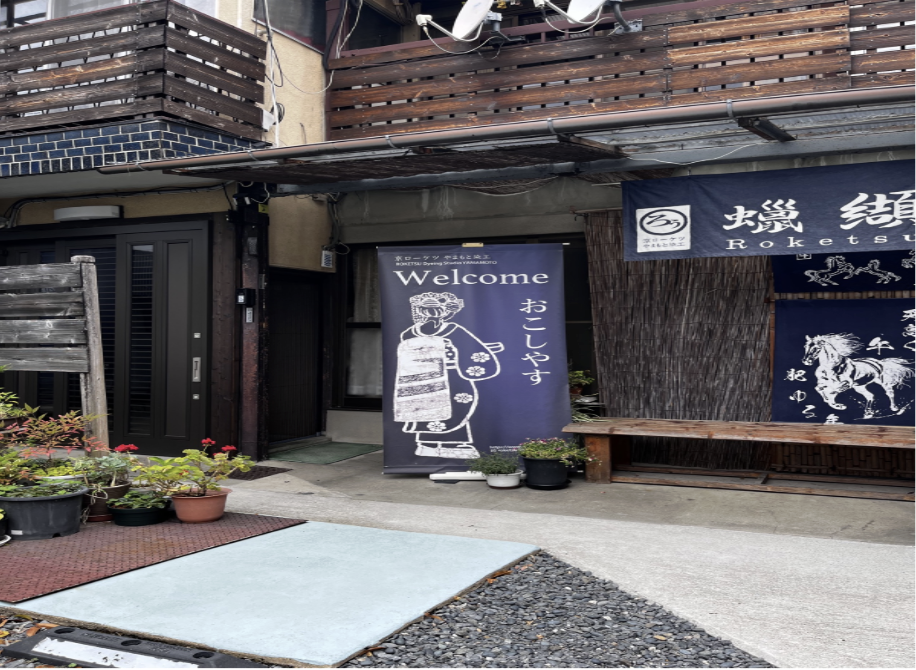
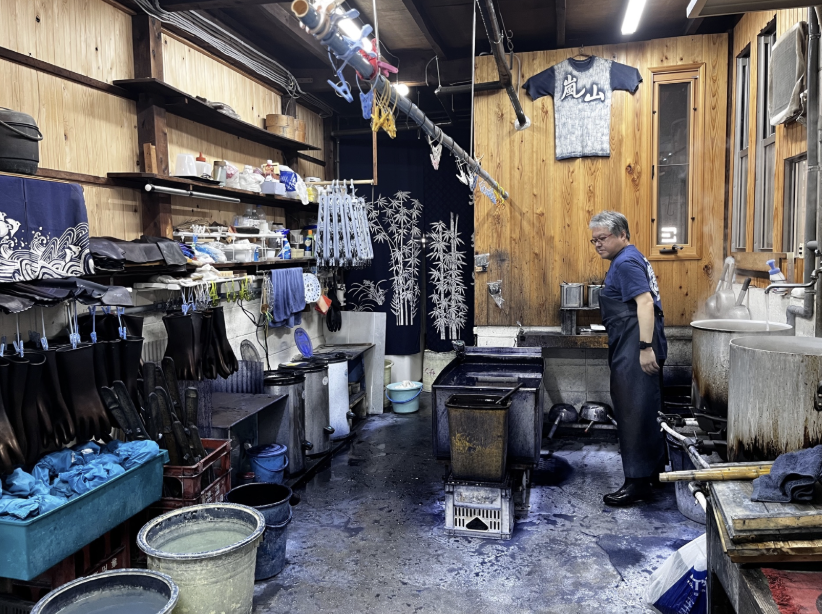
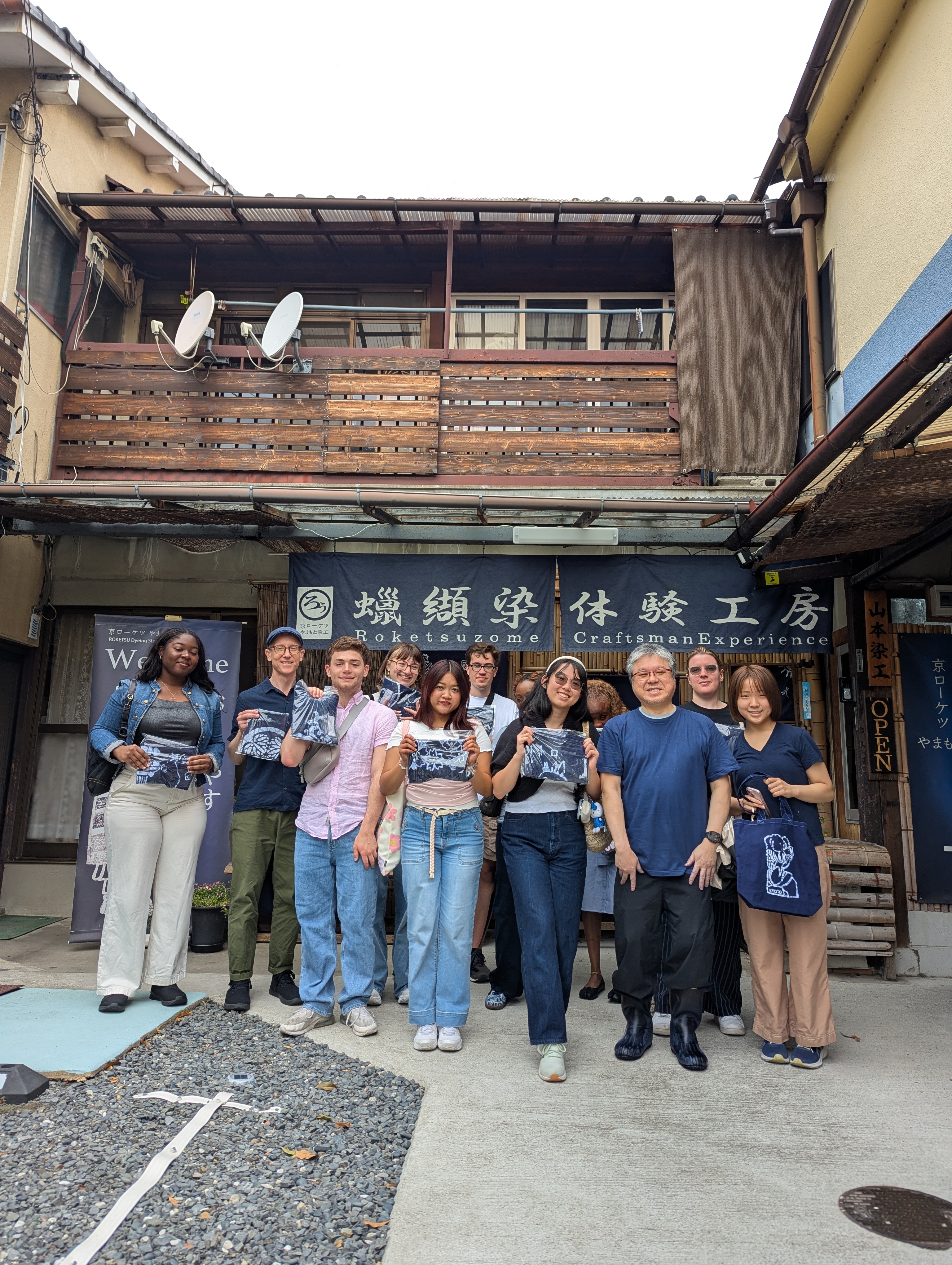
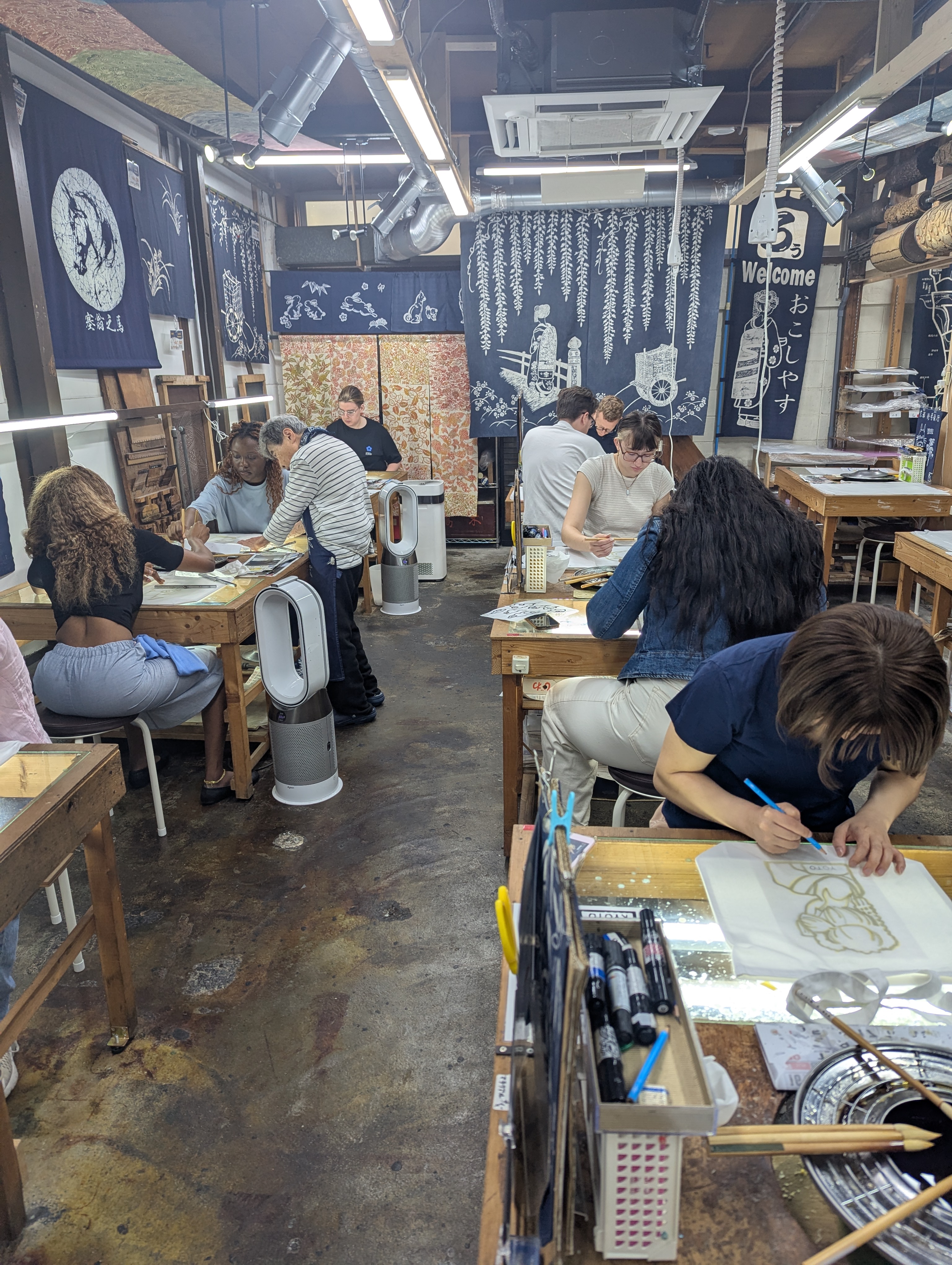
Roketsu Dyeing studio
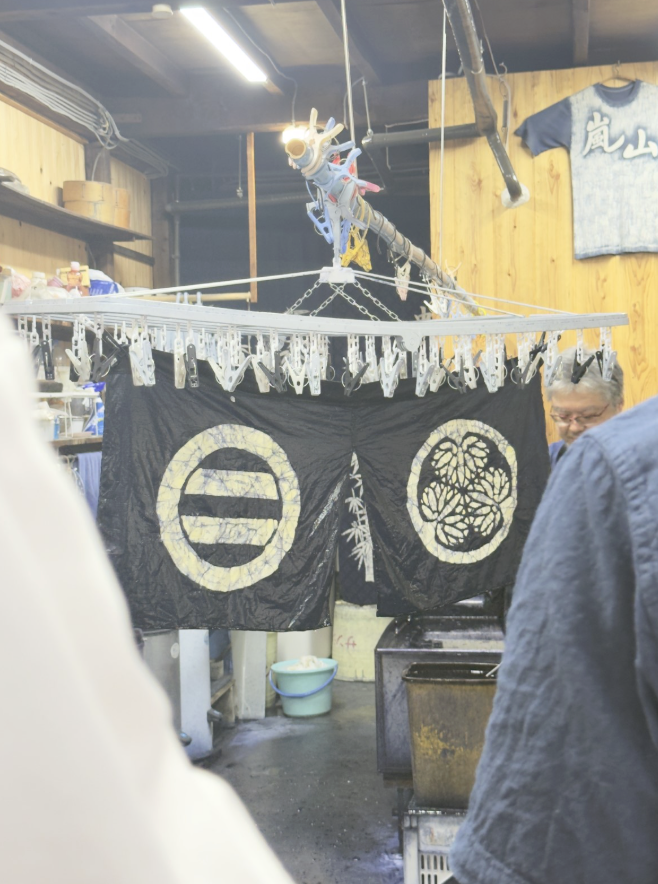
On this day, we visited Roketsu Dyeing Studio in Kyoto to experience a traditional textile dyeing method known as wax-resisting dyeing. This method involves the application of wax onto a cotton fabric to make a design. We used different templates to trace designs onto tote bags, t-shirts and norens (a fabric divider used to separate spaces in Japanese households).
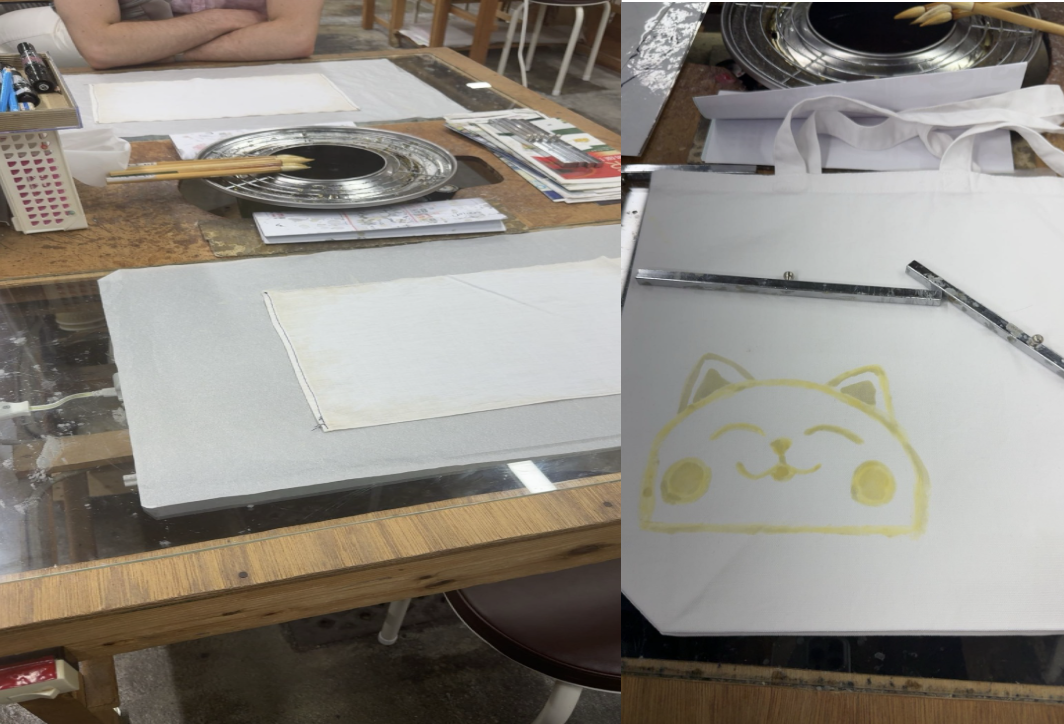
A dyeing station
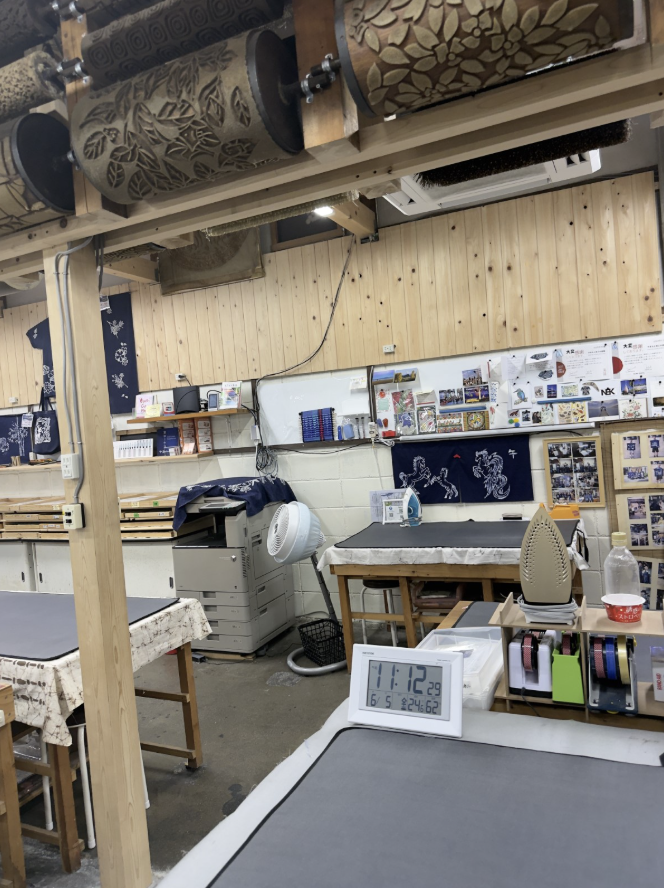
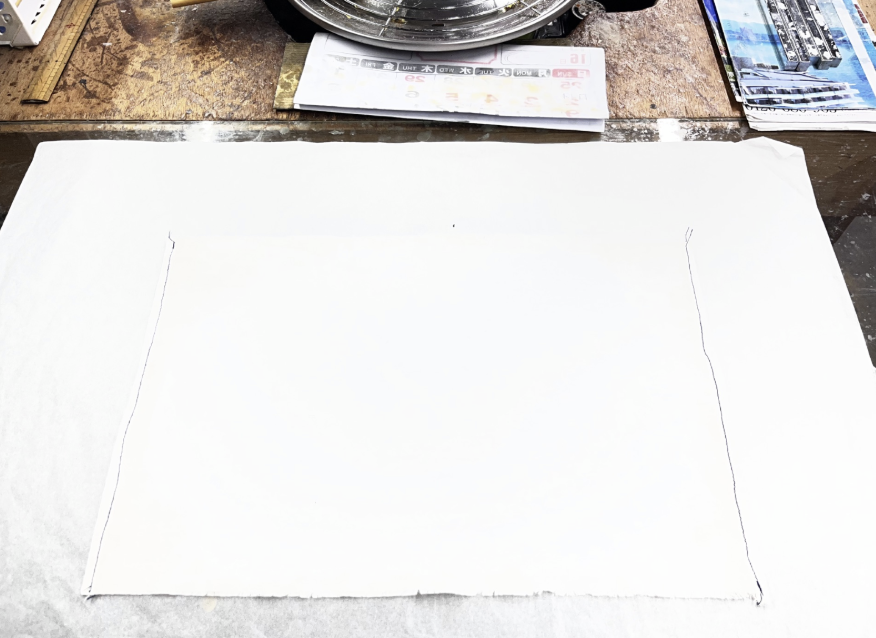
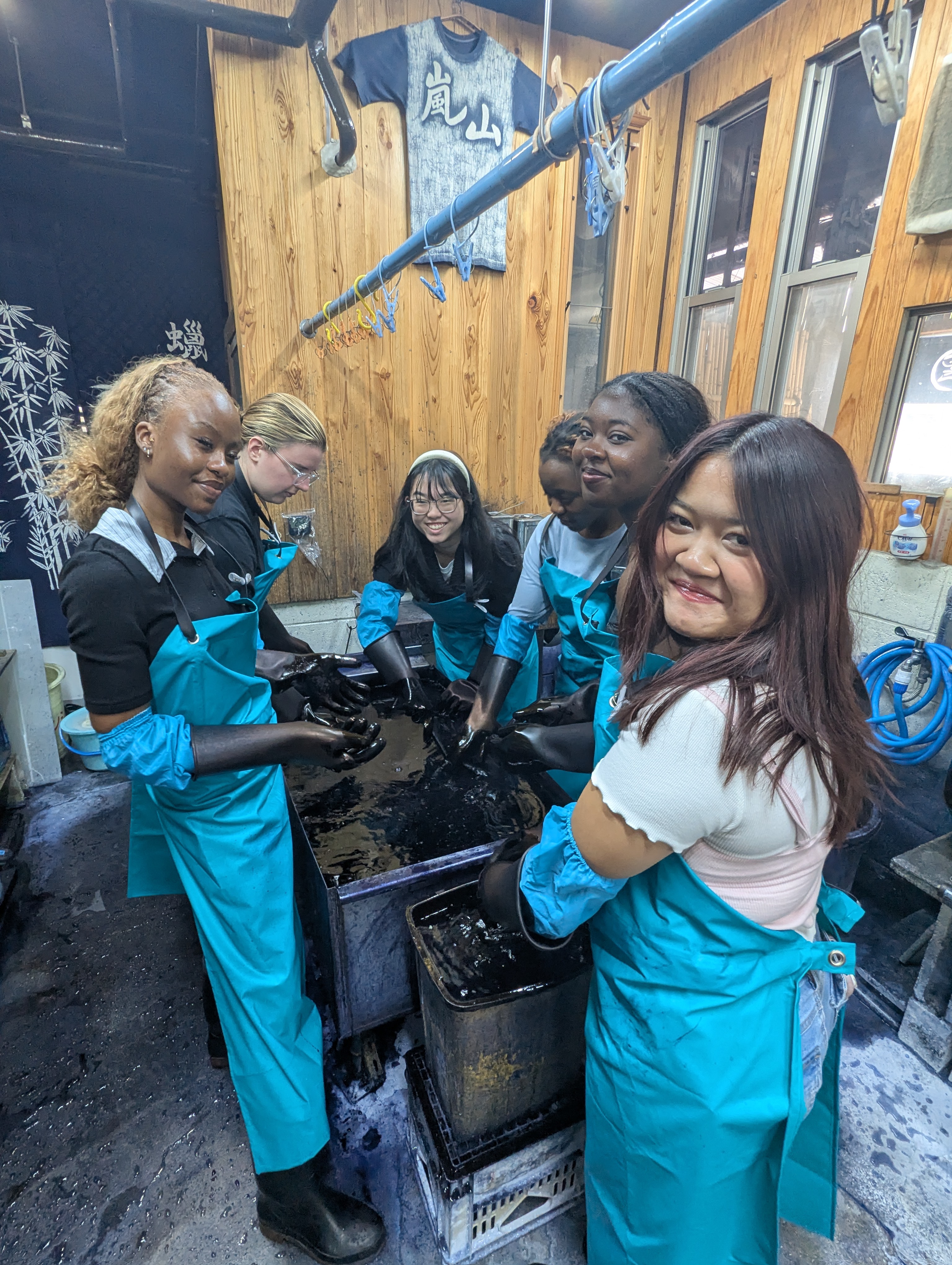
Roketsu is a family business that has been working in kimono dyeing for over 50 years and going in there, we learned about the process of this dyeing method and the antibacterial properties of indigo. We were seated at wax stations and checked out our lights, brushes and wax before we went on to do a practice round on a piece of cloth. After the practice round, we picked out our designs and then we traced them twice on our product of choice (bag, t shirt or noren) with hot wax. After that, we started the dyeing process. This involved dipping the tote bag into a tub of indigo solution and then swishing and pushing it down the tub to get the wax out (for 8 minutes). The bag is then submerged into a cylinder of water (90 degrees Celsius), then put into boiling soap and then rinsed in water once more. Finally, you wring it out and hang it to dry before ironing it. In doing all this, we wore thick rubber gloves, aprons, and boots.
We all appreciate the time, effort, and care that goes into dyeing these products. Again, this TREK has shown us the importance of textiles (just like the lessons from Maruwa Textiles or Nishijin Textiles Center) and it goes beyond textiles and encompasses the values of patience and discipline. Being exposed to these behind-the-scenes crafts and invisible labor really put us out of the tourist gaze and into a state of reflecting and experiencing the value of what we wear, eat and consume in general.
Another thing that was eye-opening about this experience was the sheer amount of intentionality needed for each step, from tracing with the hot wax to the dyeing process. This especially applied to something that seemed deceivingly simple, which was holding the brush to trace our designs onto our product of choice. Each movement required careful and deliberate thought; the amount of pressure applied, the angle of the brush, the steadiness of the hand, and the speed of each stroke. A simple trace required an immense amount of concentration and precision. If not, one single mishap could impact the final product, which made each action purposeful. With all these factors in mind, one trait truly determined the outcome of the product: patience. In our daily lives, we are accustomed to seeing products ready for consumption without thinking about the labor behind them – and this workshop revealed the time, discipline, and craftsmanship required in not only creating textiles, but in various other art forms as well.
In a sense, this type of labor is connected to our visit to Maruwa Textiles, too. At Maruwa, we learned about the textile industry and the production of fabrics on a larger scale. Participating in the dyeing workshop, however, allowed us to experience firsthand labor, skill, and expertise behind a different type of textile production. The intentionality needed for each brushstroke and each step of the dyeing process showed us that textiles go beyond simple manufactured goods and are products that are shaped by skilled hands and generations of knowledge. They remind us that the value of textiles comes from both the material and the care and tradition that is invested in its creation.
Enjoy these photos!:
By Gabby and Cristiana
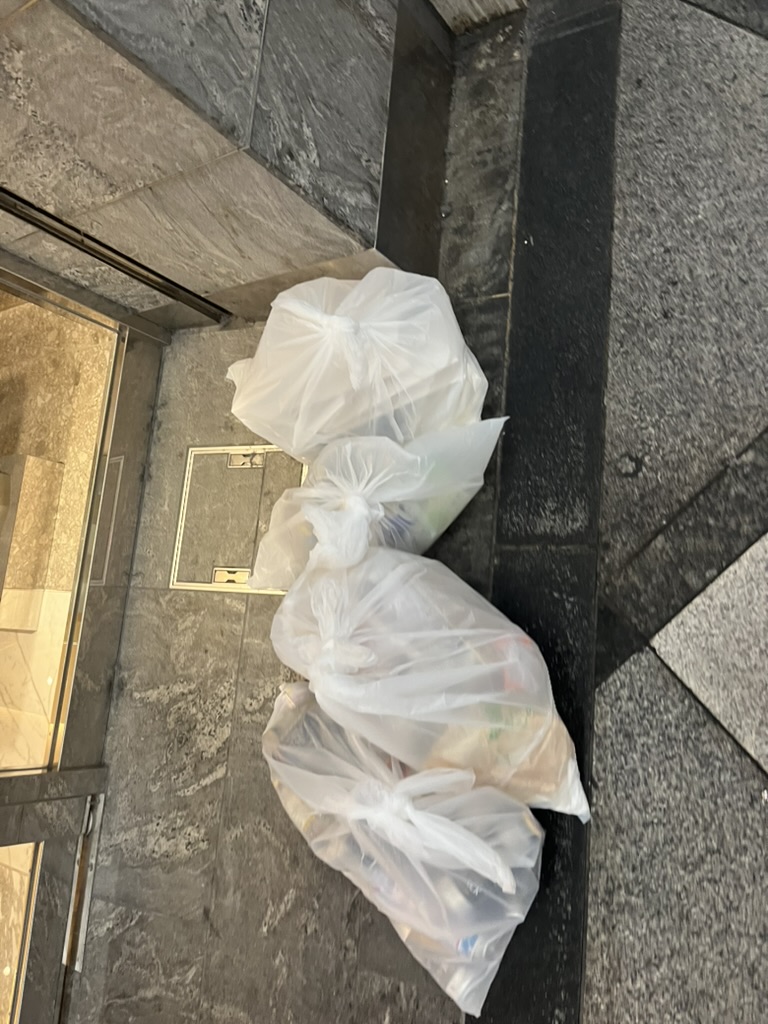
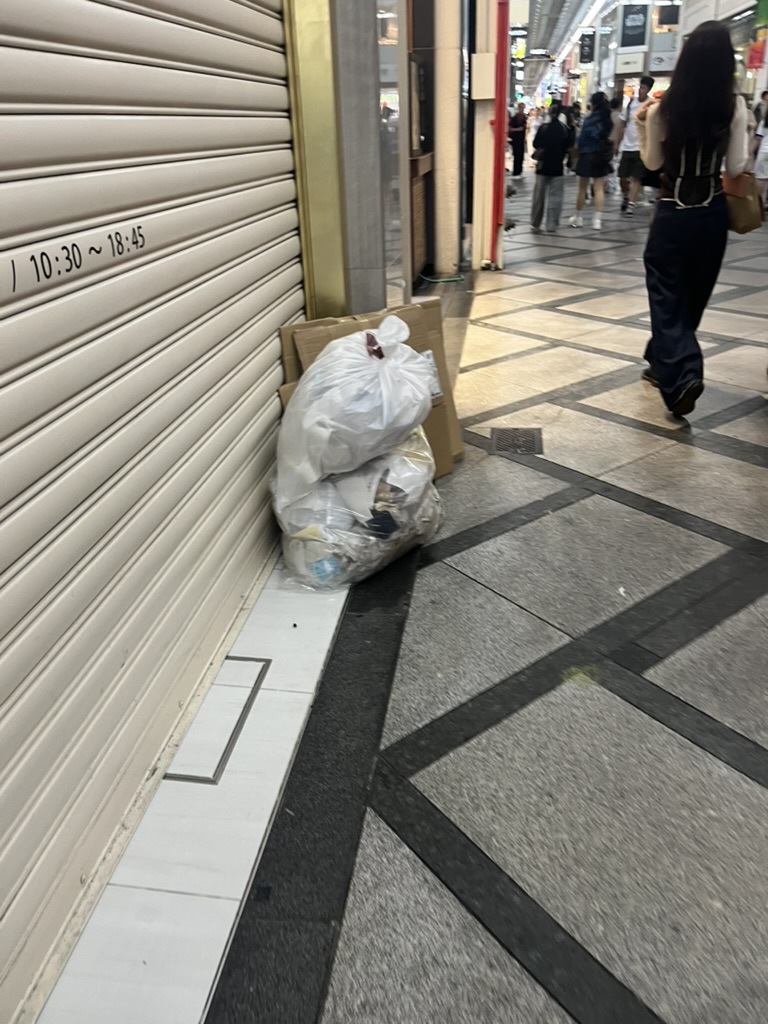
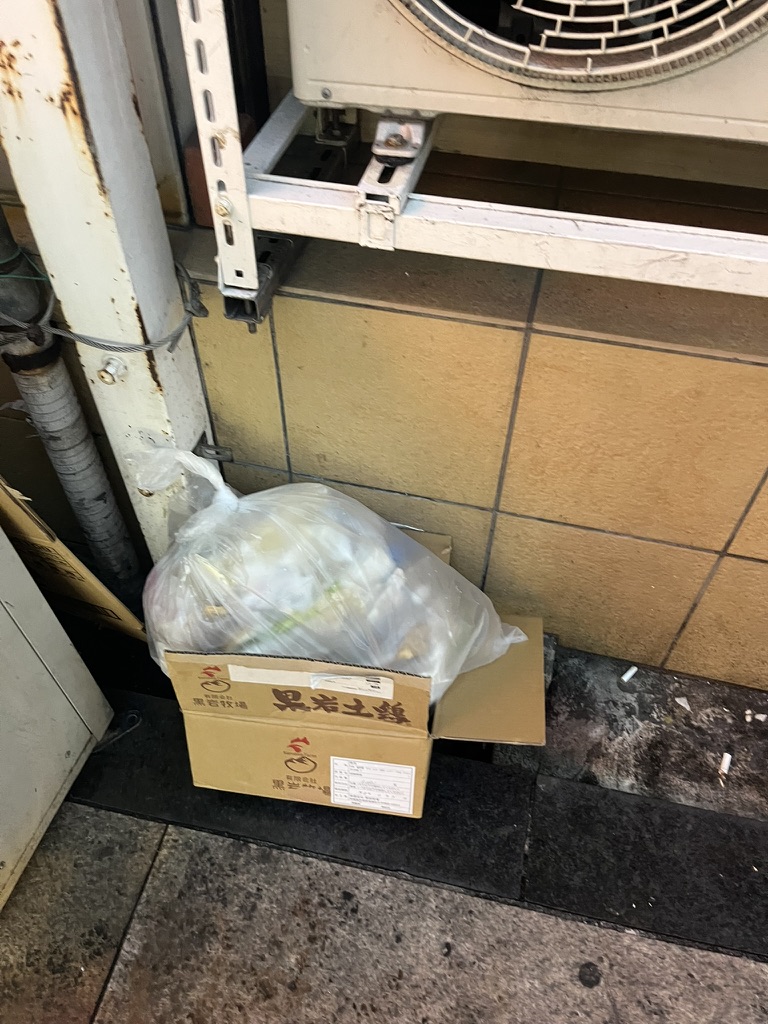
Throughout our trip in Japan, we have seen a recurring theme of value in the lives of the Japanese: Shintoism’s value of the given environment, Buddhism’s value of the body and self-temperament, and the value of materials/garments in conjunction with the body as a temple, etc. These are all valuations that shape how we see Japan today, and garbage is not exempt from these valuations. When thinking about garbage, we often think about things that are “waste,” and waste refers to something that is discarded, a byproduct, or something that no longer has any value. The world’s perception of Japan is often that it is an extremely clean country, and one that may not have public trash cans to keep a space clean, but rather through a collective civic duty. What does this civic duty really reveal at its core? It reveals a collective valuation of not the materials but rather the country itself.
This collective civic duty did not come about by chance but was a form of statecraft. Post-World War II, Japan’s economy boomed, and with it, there was an influx of mass consumption that created waste, which became garbage. This started filling and choking the country in certain areas like Kōtō, which had heavy amounts of garbage sent there from the wealthier cities.
In response, Tokyo Governor Minobe Ryōkichi declared the “Garbage War” (gomi sensō) in September 1971. He made the problem visible and deliberately requested that incinerators be used to get rid of the unsightly buildup of garbage, since Japan is already short on land. The governor decided to reframe garbage as an environmental problem rather than simply a hygiene issue, and they started to shift the language from “we are cleaning up the filth” to “we are beautifying the city and improving our health.” Health and the environment are very important to Japanese citizens through their customs and religion, with Shintoism and Buddhism both prioritizing the natural environment and the body as a temple. This frames how we speak about civic duty, its reliance on an already established underlying system of valuation that supports the state-crafted idea that garbage, waste, and filth do not fit in with “Japanese” values. So, as Japanese people who value nature and purity, impermanence, inner peace, and compassion for all living things, there is discomfort with things that are out of place and “wasteful” or discarded being in spaces that we value.
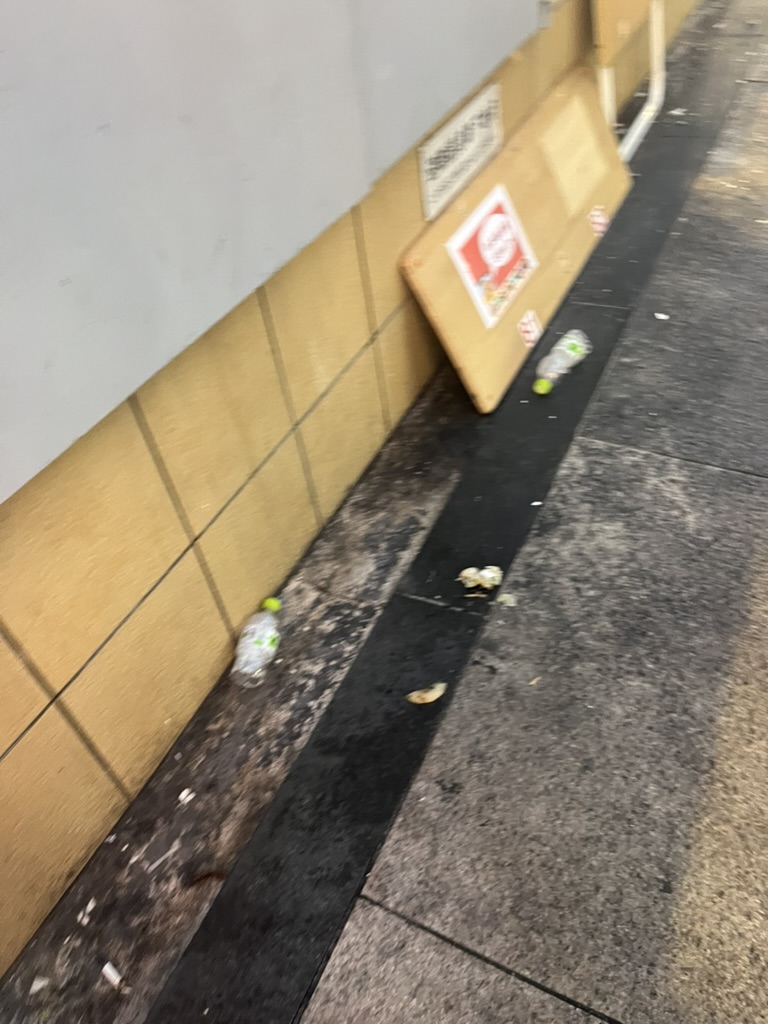
This shapes how we see garbage in Japan today. Unless you are in the extremely touristy areas where there is a high density of people in often small spaces, you will not see garbage sitting around haphazardly. Rather, you will see garbage tied up, often in rows, or arranged in a way that is not in walkways or in front of shops, but to the side and out of people’s way, which itself shows a valuation of space
By Zach and Caitlyn
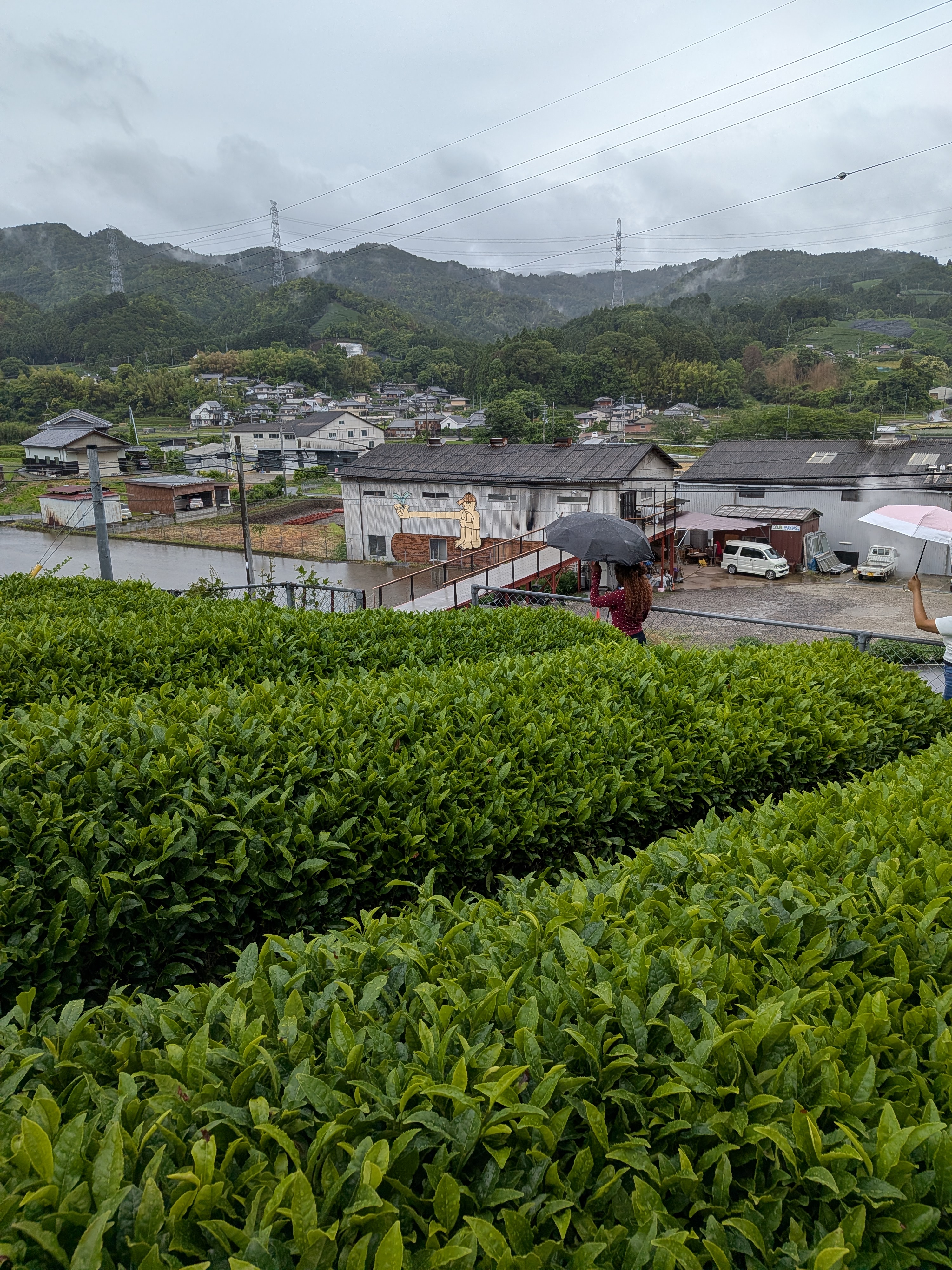
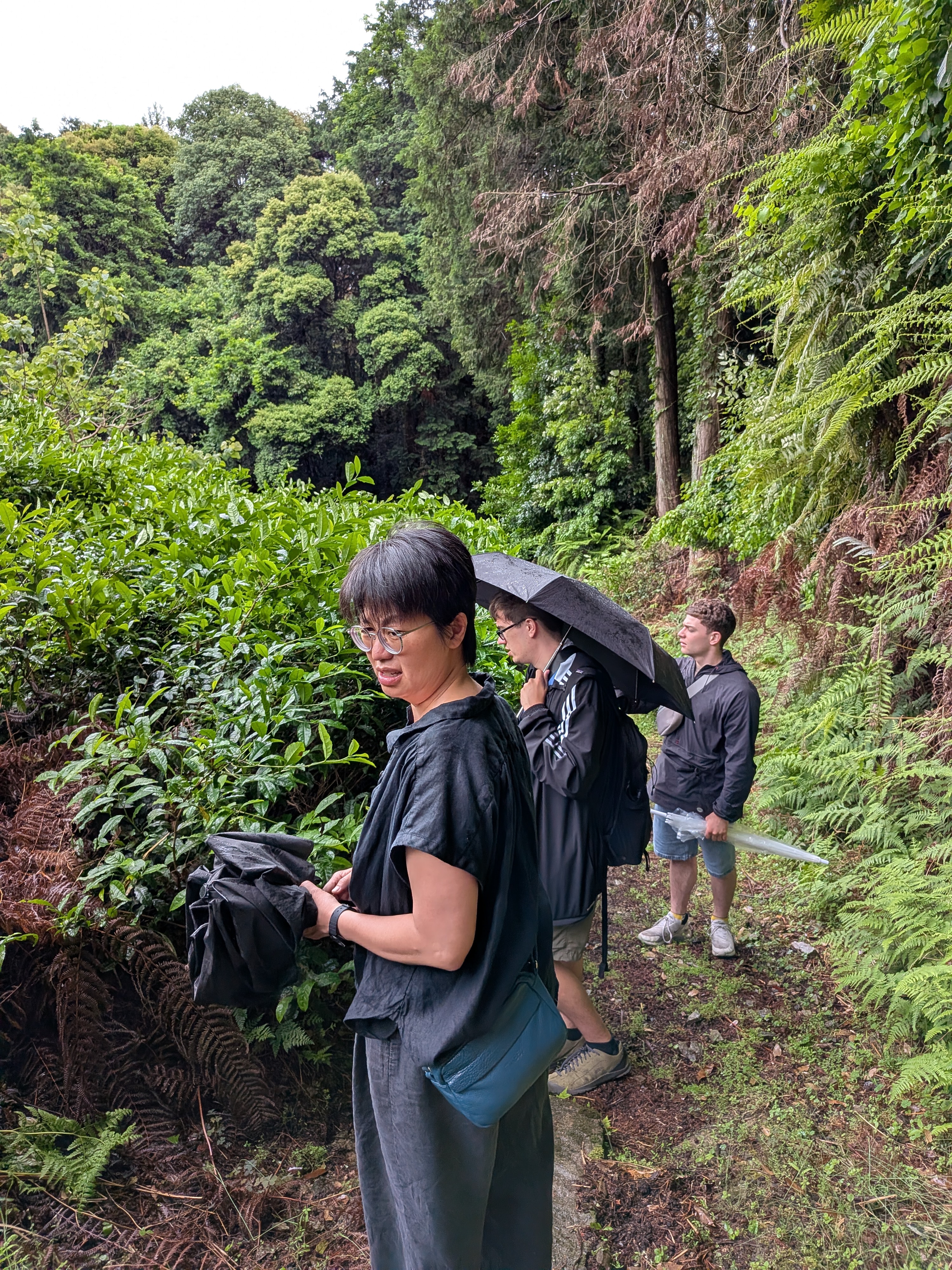
As we near the last week of the TREK, our visited the Obubu Tea Plantation (not to be confused with labubu) in Wazuka which is located in the southern part of the Kyoto prefecture. For our class, tea is one of the four commodities that we are focusing on, as it has played a significant role in Japanese society for over hundreds of years. Beyond its deep historical roots, this popular beverage serves as a cultural symbol of the nation – and during our visit to the Obubu Tea Plantation, we witnessed one of the ways that tea is maintained. For the first stop of our visit, we saw a field of camellia sinensis, a tea bush that can grow up to 20 meters tall if left unmanaged. It is typically maintained as a shorter bush for a more successful cultivation. Today, tea remains an important part of daily life and Japanese traditions, with different varieties reflecting regional growing conditions and production methods.
First, the tea fields of Wazuka provide ideal conditions for producing high-quality tea. The region has around 600 hectares of tea plantations and manages around 30 different fields that are rented from different landowners, including land associated with a shrine that dates back over 1,400 years. Tea cultivation in the area has continued for roughly 800 years and has traditionally been passed down through generations, but many younger people are no longer interested in farming, which has impacted the tea economy in Wazuka especially. The existence of the Obubu Tea Plantation, however, combats this deficit with its international intern population.
It is also important to note that there are several environmental factors that contribute to the quality of the tea, including elevation, nutrient-rich soil, mineral content, and the presence of mist. Temperatures between 10 to 30 degrees celsius help create mist that naturally shades and cools the plants, resulting in less bitter tea leaves. Farmers harvest sencha three times each year, once in the spring, summer, and autumn, with the spring harvest being especially valued. After harvest, the leaves must be processed immediately to prevent browning (similar to that of an avocado being exposed to oxygen). Obubu differs from many tea producers because it oversees every stage of production, from harvesting and blending to packaging and shipping, supporting its mission of bringing Japanese tea to the world.
We followed up the trip to the tea leaves by going to the factory where all the tea is processed and packaged. The tea processing involves a blend of specialized machinery and handcraftmanship. The major focus in this step is regulating the moisture and temperature control. Both these elements have an effect on the tea’s color or flavor profile as excess moisture can halt essential nutrients which affect taste and too much oxidation can turn a green tea into an oolong or black tea. The leaves are first fed into a steaming machine that operates at between 100 and 130 degrees celsius to lock in the tea’s natural properties followed by a cooling process that slows the oxidation process. The plants follow this by going through three distinct rolling machines that carefully remove the surface moisture without damaging the plants. This is followed by a twist and curling machine that cold presses the leaves against a metal surface to draw out a deeper eternal moisture. Due to the fact that intense pressure breaks open plant cells, the green tea must be kept in a refrigerator to keep its freshness. Proceeding the pressing stage the leaves are shaped into balls. Not all of the tea ends up being shaped into needles but the tea that does is placed into a fire-heated shaping machine where a brush rolls the tea against a curved bottom wall that shapes the tea into its signature needles. The final step is drying the leaves in a fire-powered furnace, this step requires precise timing as it impacts the flavor profile. If the tea is dried longer it can develop a roasted flavor (which can be good depending on the batch) and if the tea is not dried long enough it risks molding. The Processing stage is defined by rigorous mechanical flow paired with strict artisanal oversight. The founder of the farm personally inspects every batch at this stage to ensure the quality of his product.
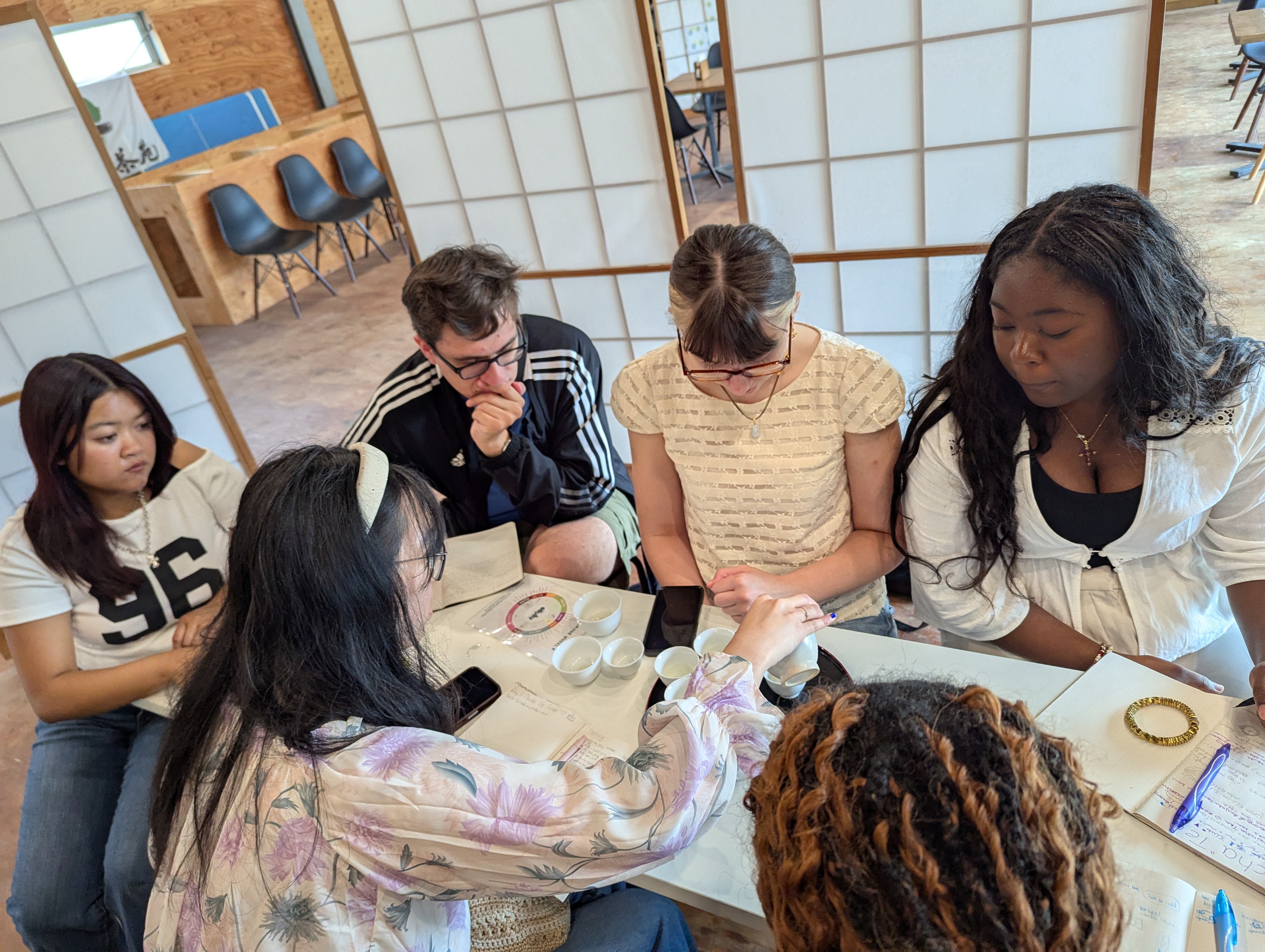
We followed up the tour of the processing factory by sampling a wide variety of teas. All tea no matter if it is black or green tea is actually derived from the same plant, Camellia Sinensis. The reason why tea has different colors actually comes down to oxidation, as green tea is non-oxidised, oolong tea is semi oxidised and Black tea is fully oxidised. Other elements of the tea like how sweet or bitter it is comes down to the brewing process, as the hotter the tea is brewed the more bitter it will be. The four methods of brewing are Hot (90-100 degrees celcius), Warm (60-70 degrees celsius), cold (5-10 degrees celsius) and ice (0 degrees celsius.) The time of harvest, and the cultivation type (whether the tea is covered or not) also play a role in how the tea’s flavor profile and notes develop. We sampled four teas, two green teas, a black tea and a macha. One thing that I noticed is that the notes on the first pour differed from that of the second pour with the black tea(Wakoucha) changing from having notes of berries to having notes of chestnut on the second pour.
The precision and care of the tea plants is how the Obubu tea farm is able to get the highest quality tea by treating tea growing, cultivation and brewing as an exact science. We saw this in the other commodities such as textiles and medicine and it is a greater reflection of how Japanese commodities value quality over mass production. One thing to note about all the international workers is how this is a reflection of the sad reality that many Japanese towns are facing: an aging population. The average age of Wazuka is 65 well past the typical working age and this can be seen as there are many abandoned and overgrown tea fields. It is amazing that this company has been able to establish an international network but it also is a necessity considering the aging demographic of the town.

By Farida and Nilay
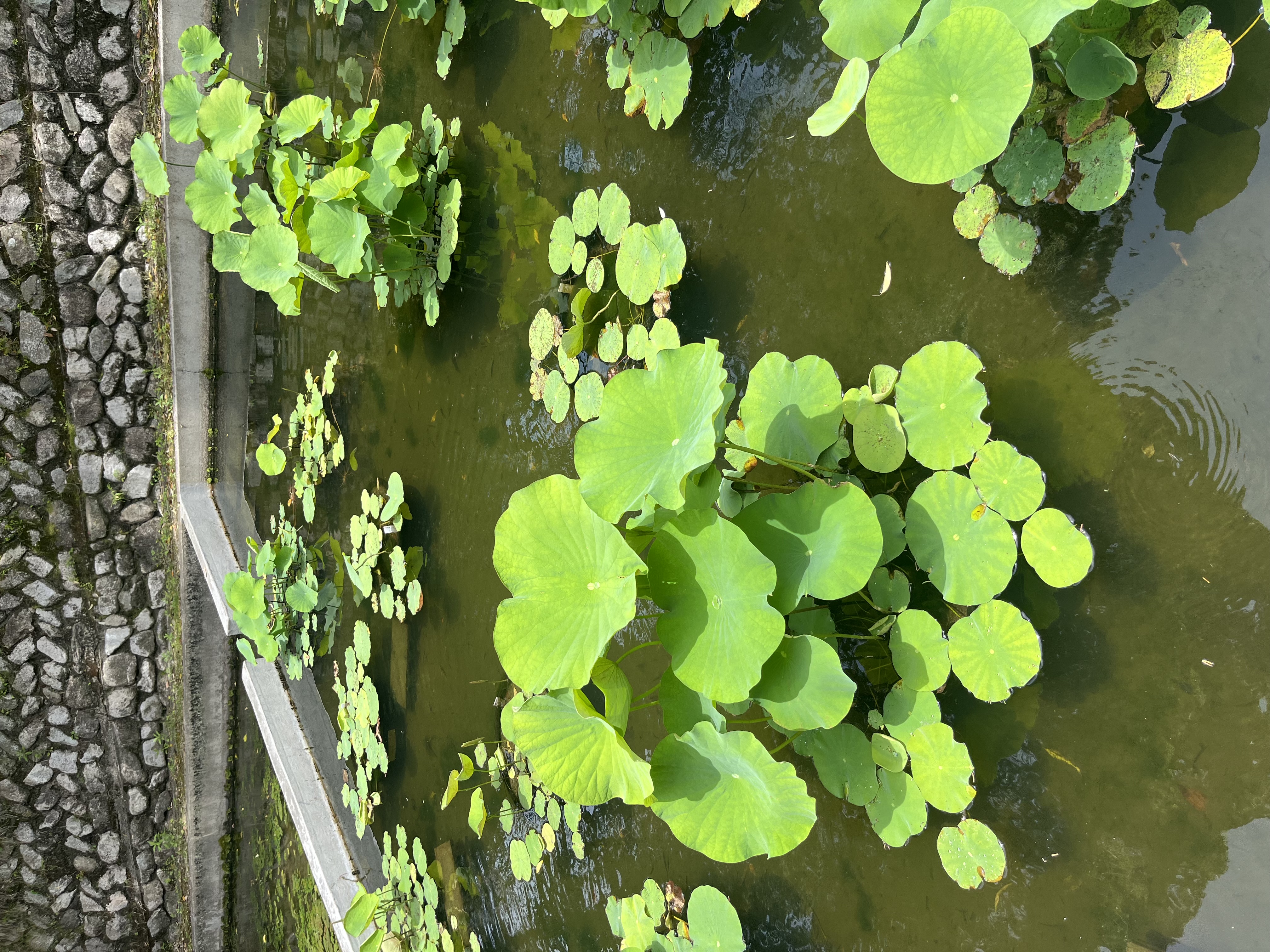
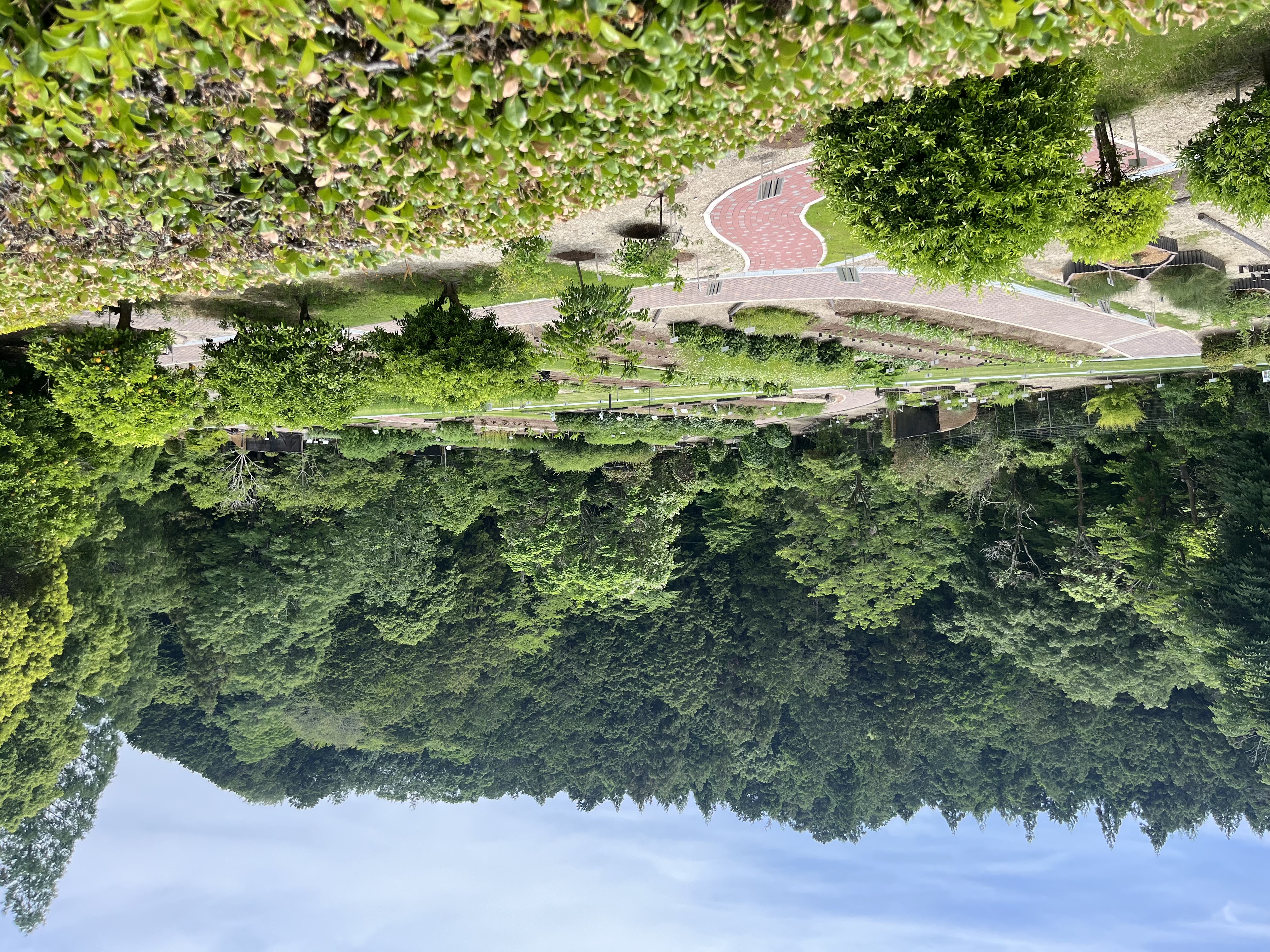
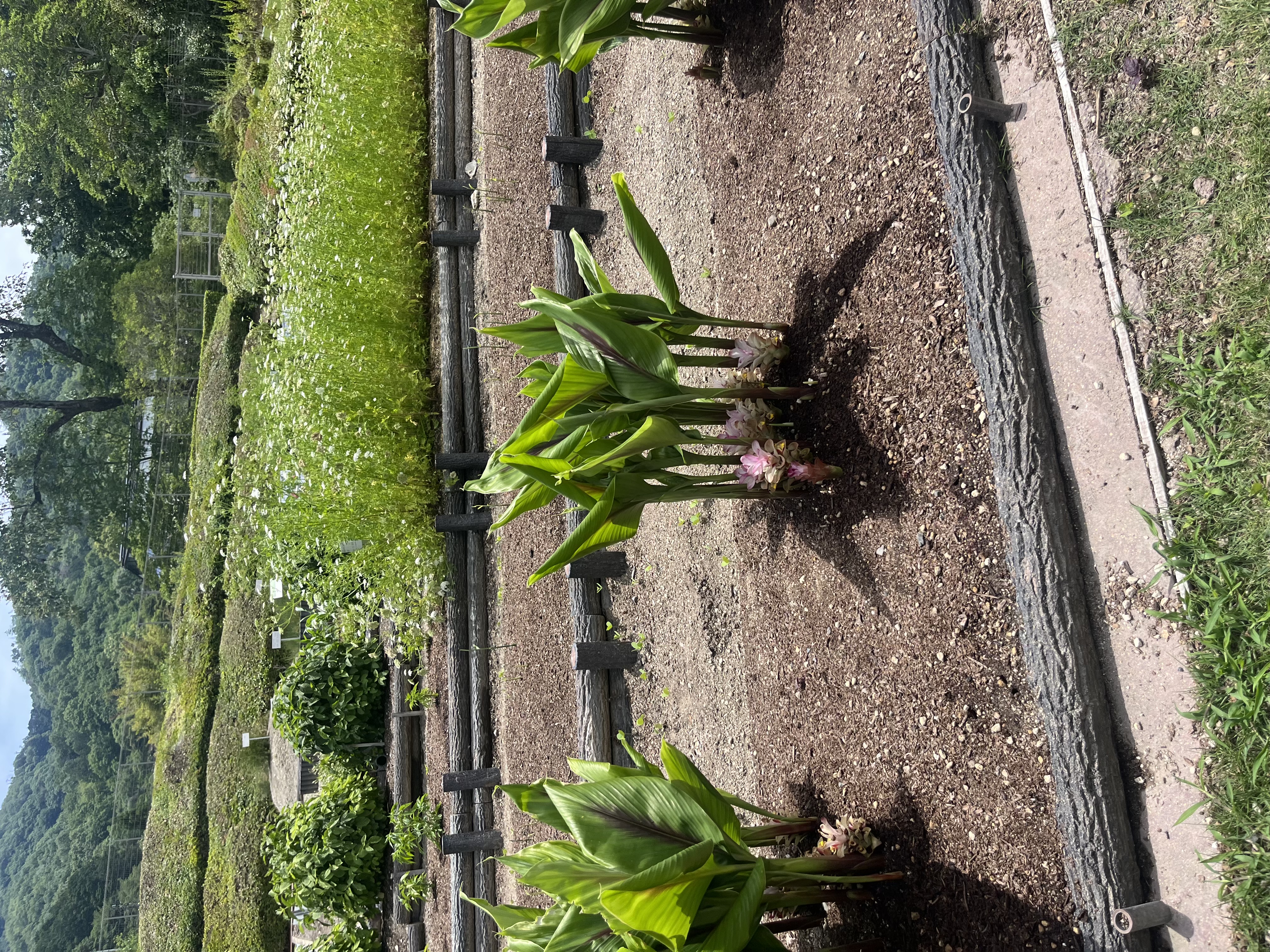
Today, we got a tour of the Takeda Medical Garden in Kyoto. As the garden was extremely large and would take 6 hours to tour the entire garden grounds, we only looked at certain parts of the garden. Out of the 7 different parts of the garden, we saw the Central Garden, the Kampo Garden, the Exhibition Hall, the Folk Medicine Garden, and the Spice Garden. We did see some of the plants that Professor Ng talked to us about in our lecture the previous day. For example, the plant Digitalis Purpura is primarily used for cardiotonic issues. A common surprise for the group was the intensity of the Japanese peppers. At first, it tasted as normal peppers do, but then it took an unexpected turn for the more intense. It really started to burn, and it got to the point where the tongue got numb. This feeling lasted for a while before it fully dissipated. On the more interesting side, we tried a plant that ended up removing the taste of sugar after consumption. We also saw the exhibition hall that housed harvested varieties of the plants that were growing outside. They had everything from cloves to agarwood. The main exhibition hall was built in Kobe City in 1908, but was destroyed by the Hanshin-Awaji earthquake in 1995. It was then moved and reconstructed to the location it stands at now in the Takeda Garden. One of the main purposes of the garden is to help the community, to preserve endangered species, and to raise awareness. For instance, the plant Hollyhock ended up being wiped out in Kyoto, but thanks to the preservation efforts from the Takeda Garden, the 1,500-year-old festival that celebrates the plant was able to continue going. The company also supports international work with collaborations with 80 different foreign countries. The global hub for the company isn’t even in Japan, but in Cambridge, Massachusetts. One of the main areas of focus for the company is gastrointestinal problems, as well as the treatment of rare diseases. The company also conducts trials of its products to help support its mission of treating diseases.
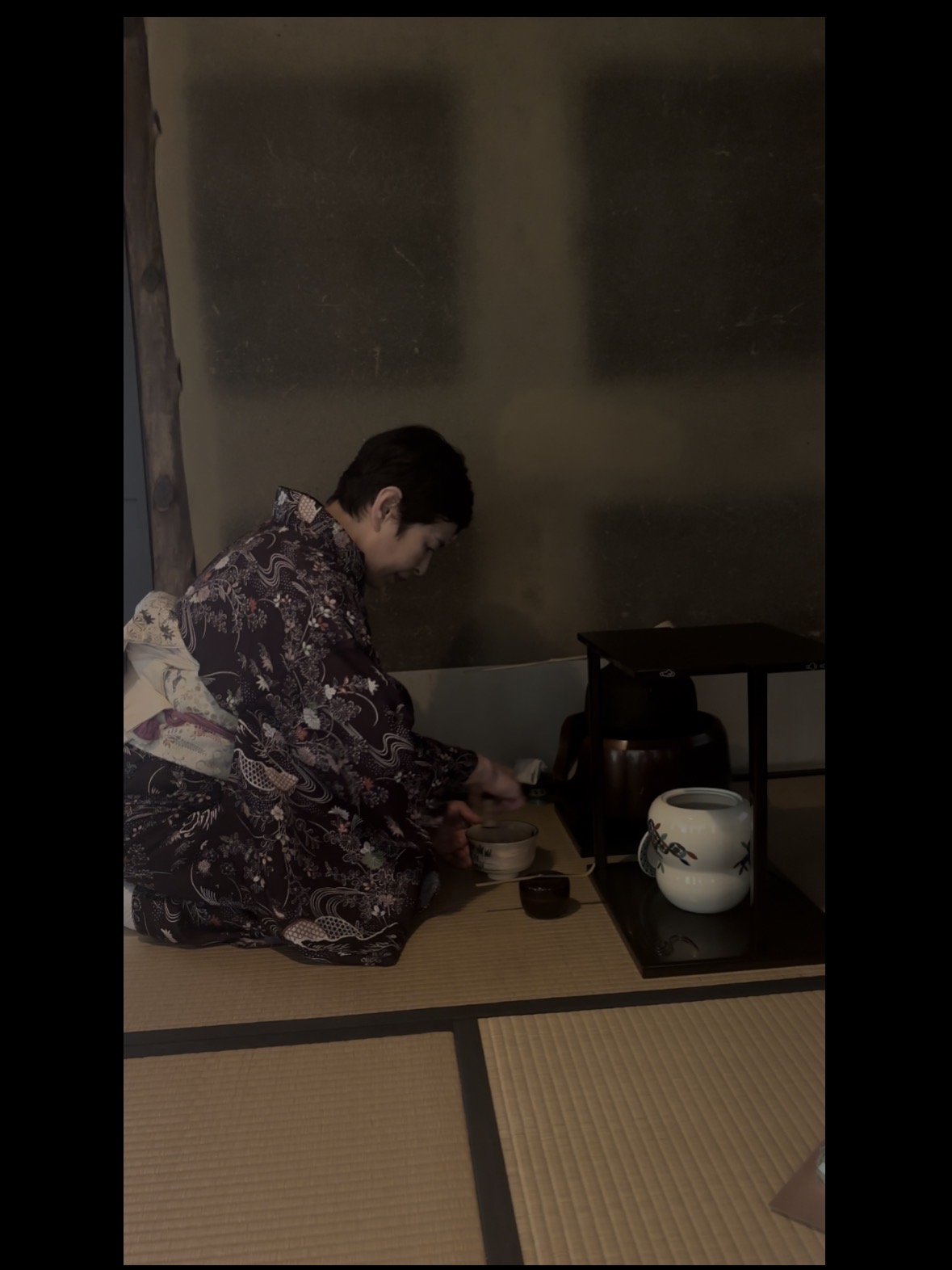
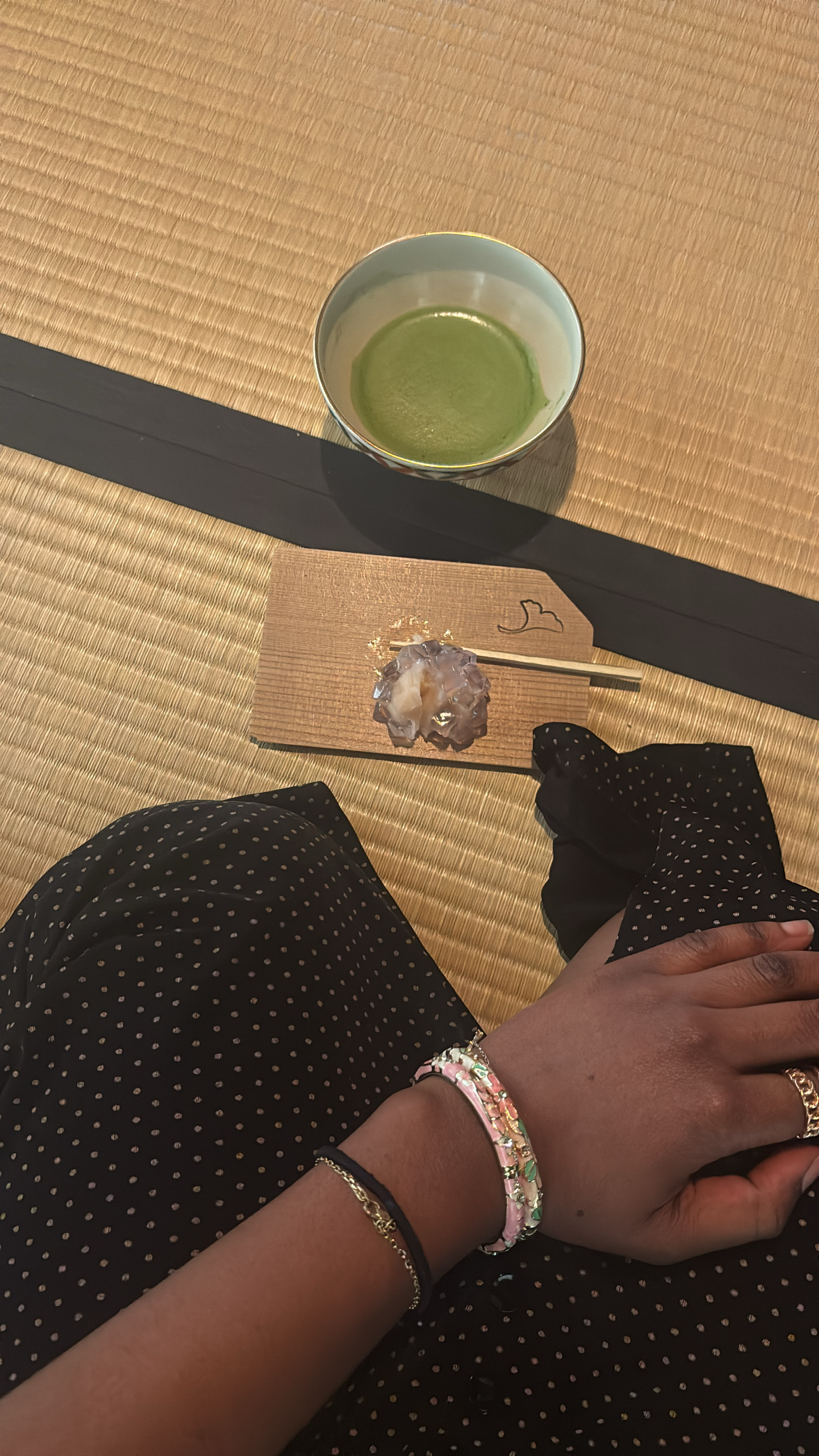
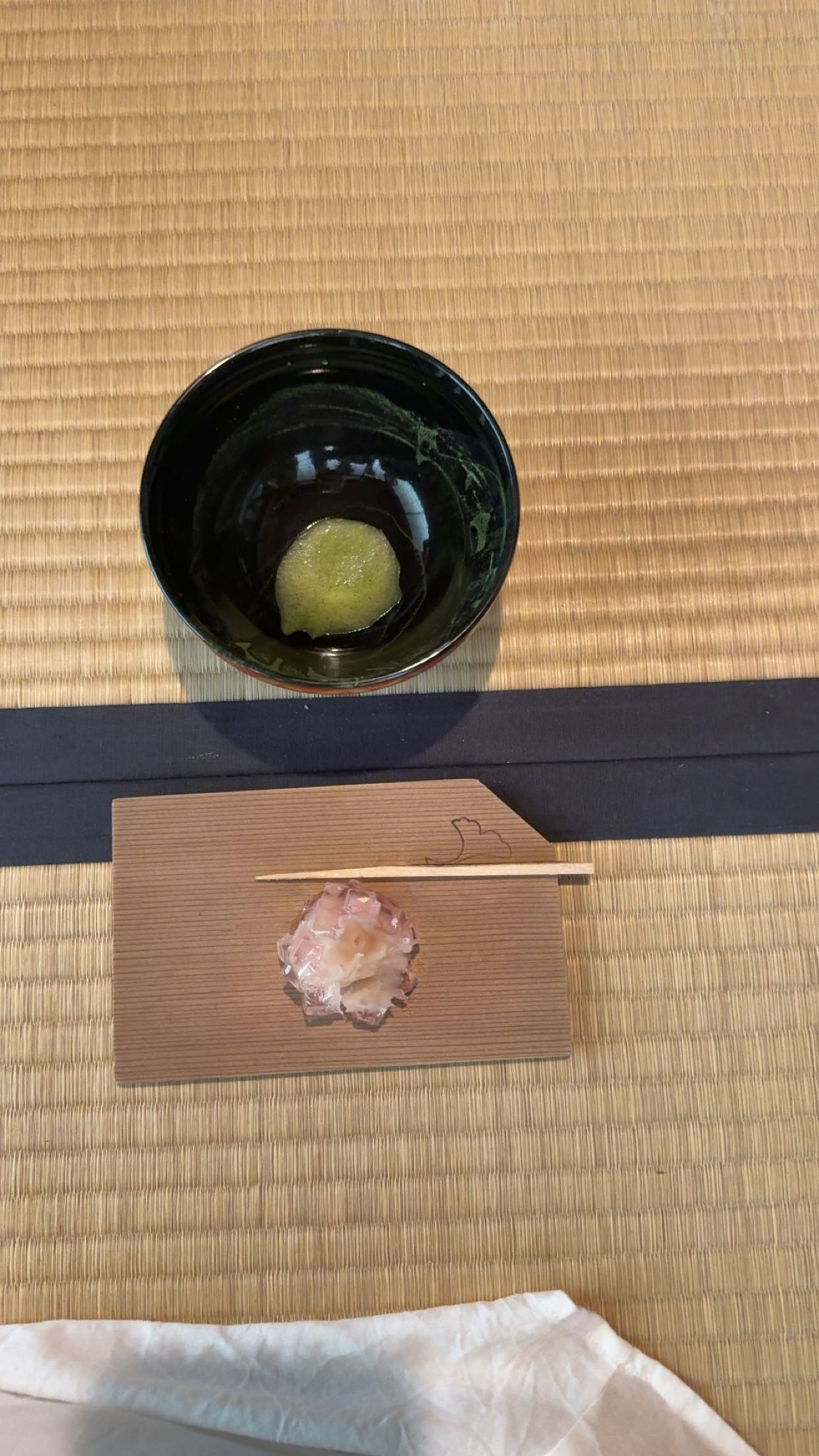
Later in the day, we participated in a traditional tea ceremony at Kansai Seminar House. Going into it, I expected the focus to be on drinking tea, but I quickly realized that the experience was about much more than that. The ceremony took place in a quiet tatami room. The tea master carefully prepared each utensil and performed every movement with precision. Before we drank the matcha, we were served a seasonal wagashi. The sweet was designed to look like a hydrangea flower. What surprised me was how much attention was paid to its appearance. Everyone spent a few moments looking at it before eating it. It felt less like a piece of candy and more like something that was meant to be appreciated first. Seeing the wagashi during the tea ceremony made me think back to Holtzman’s article, To Love Sugar One Does Not Have to Eat It. In the reading, he talks about how sweets in Japan are often appreciated for more than just their taste. The wagashi was made to reflect the season, and before I took a bite , I found myself taking time to look at all the beautiful details of this sweet. It did not feel like something that was meant to be eaten quickly. Also, the tea ceremony also made me think about the connection between tea and sugar. The wagashi was sweet, and the matcha was slightly bitter, and the two balanced each other really well. What stood out to me was that the sweet was small and carefully made. It was not about eating a lot of sugar. But it was about appreciating the the role it played in the ceremony. That made me think of Holtzman’s argument that sweets in Japan are often valued and taken into moderation rather than overindulgence. Experiencing the tea ceremony gave me a new perspective on tea as a commodity. Like the many plants we saw at the Takeda Medical Garden, tea began as a natural product, but over time it became something bigger that is now closely tied to many Japanese traditions and values.
By: Jessica Latham and Akua
A traditional Japanese tea ceremony is a practice that has been used since the Edo period after the importation of tea from China. As it was typically used among elites, tea ceremonies were a great method of establishing diplomacy between two parties. Depending on the tea type; whether formal of informal, the ceremony can take 45-60 minutes or even 2 hours. The ceremony begins with the group in the garden: with guests sitting, watching the host gather herbs to be prepared in the ceremony. Usually, there is a place for both parties to purify their hands by rinsing them with water- a practice we have seen at multiple locations in japan, especially, at Shinto shrines. The group then moves into a tea room, where the meal and tea is served to each guest. In this act, there are roles for both guests and hosts- both showing respect to each other through methods of consuming or giving to the other.
Tea is an important part of Japanese culture and many things played a part in the infiltration of tea in the country’s culture and lifestyle. The first is the role of women in spreading tea culture through education. The tea ceremony was introduced into Japan’s education system for women to teach them bodily discipline and the grace needed for the “good wife and wise mother” (ryosai kenbo) ideology. Another way tea became a very important part of Japanese culture is through capitalists who kept tea connected to power through media depictions and sales. They use their power to ensure that tea is trademarked as Japanese and known as Japanese. Lastly, we have the intellectuals who define what tea is and in a book called “The Book of Tea” there are depictions of the origins of tea and everything was translated for a wider audience. This book and other works and conversations opens the world up to tea in Japan and its importance and change from a state craft to a national pride.
We also discussed and learned about medicine in Japan. Kampo originated from China when Buddhist monks brought over Chinese medicinal texts to be interpreted, imagined and translated. Medicine, as a whole, typically has four main understandings: functions of the body, methods of diagnosis, treatment, and prognosis. With Chinese medicine and Kampo, no one is defined by their illness. Rather, they deal with the manipulation and maintaining of essential life energy: Qi (known in Chinese medicine) and Ki (known in Japanese Medicine). Overall, we see the national pride of tea and medicine in Japan and how much discipline, grace, and bodily connections are a part of Japan. More so, how global markets and healthcare impact the establishment of nationalized culture.
By Gabby and Olivia
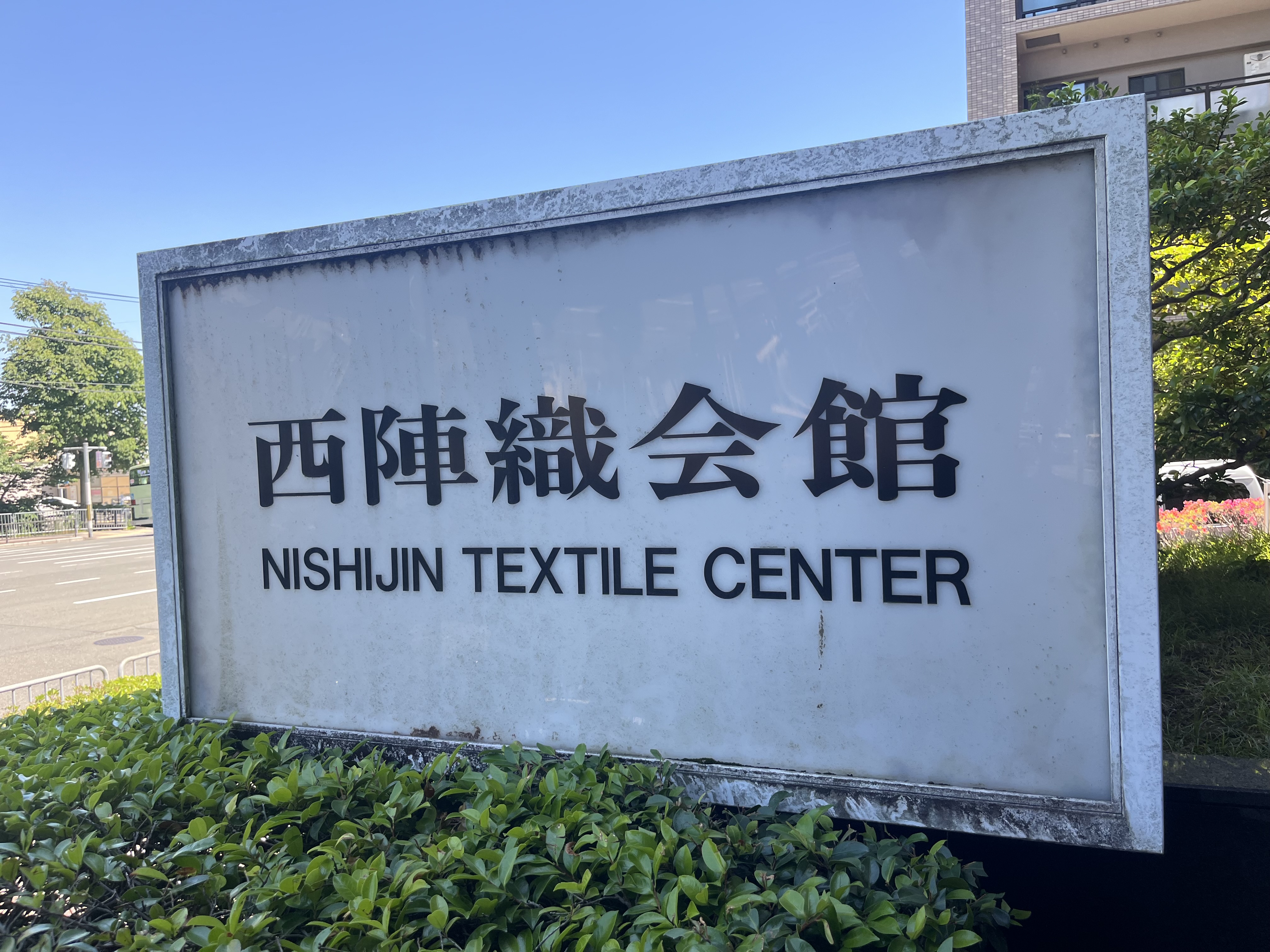
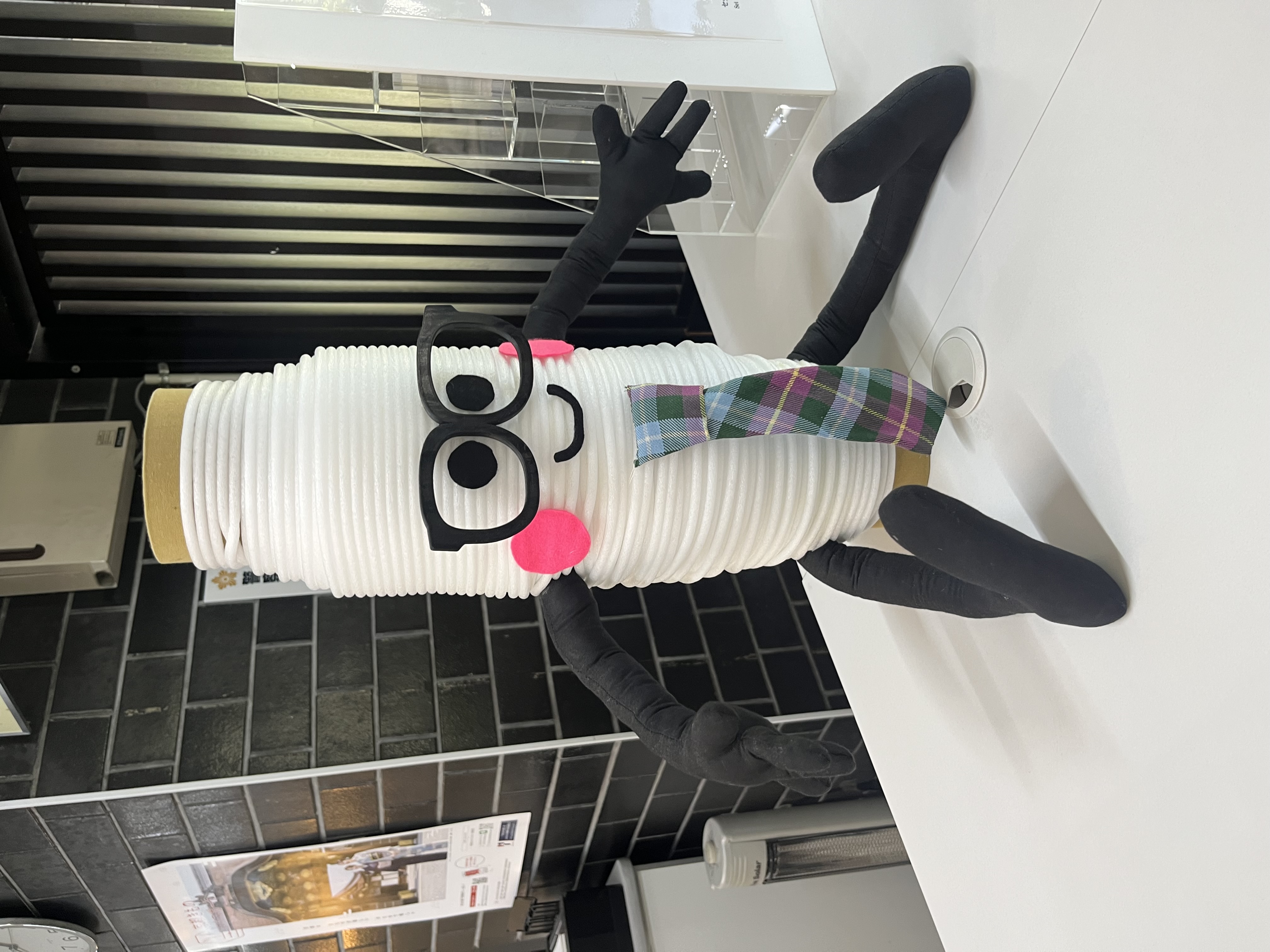
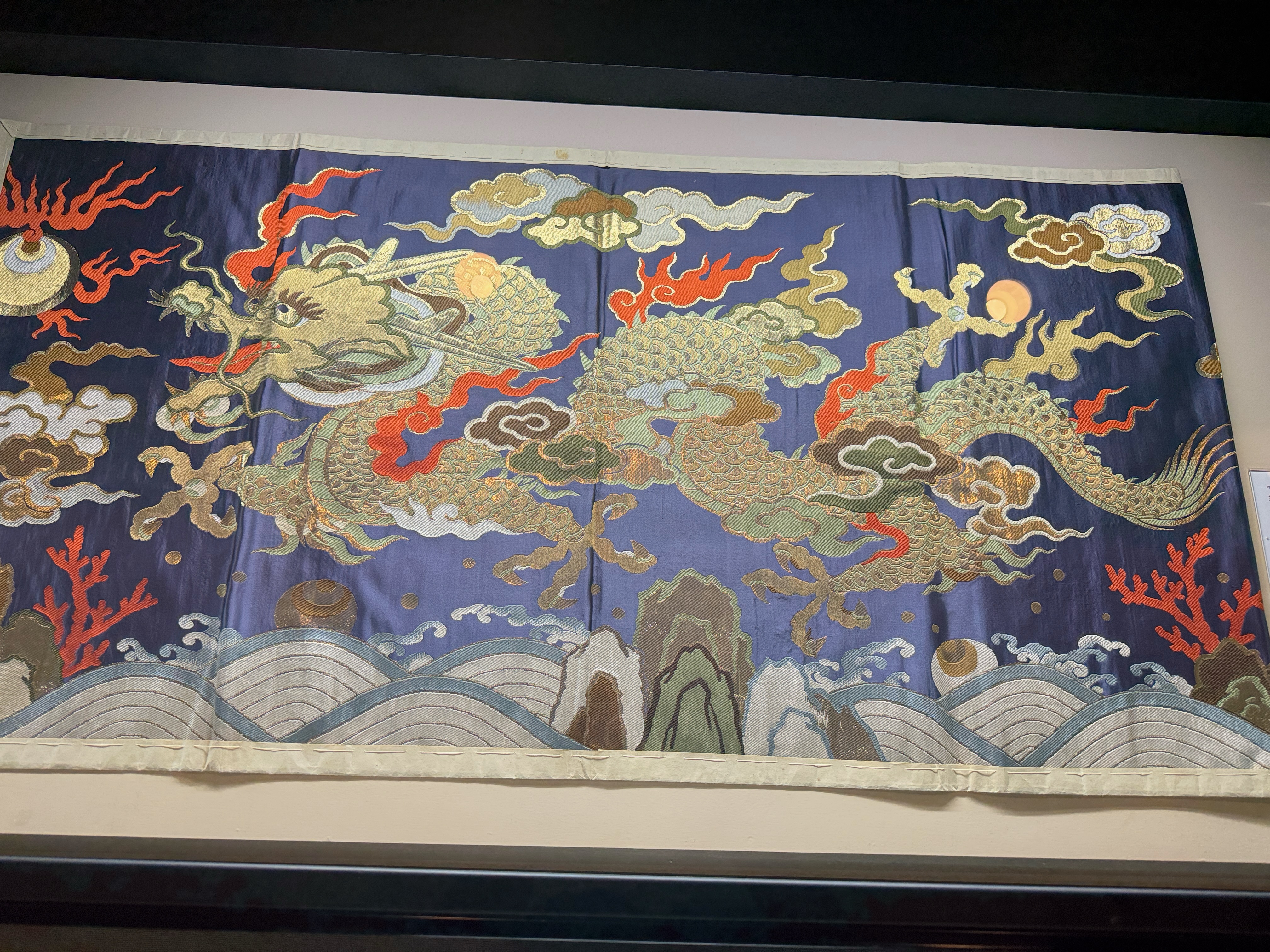
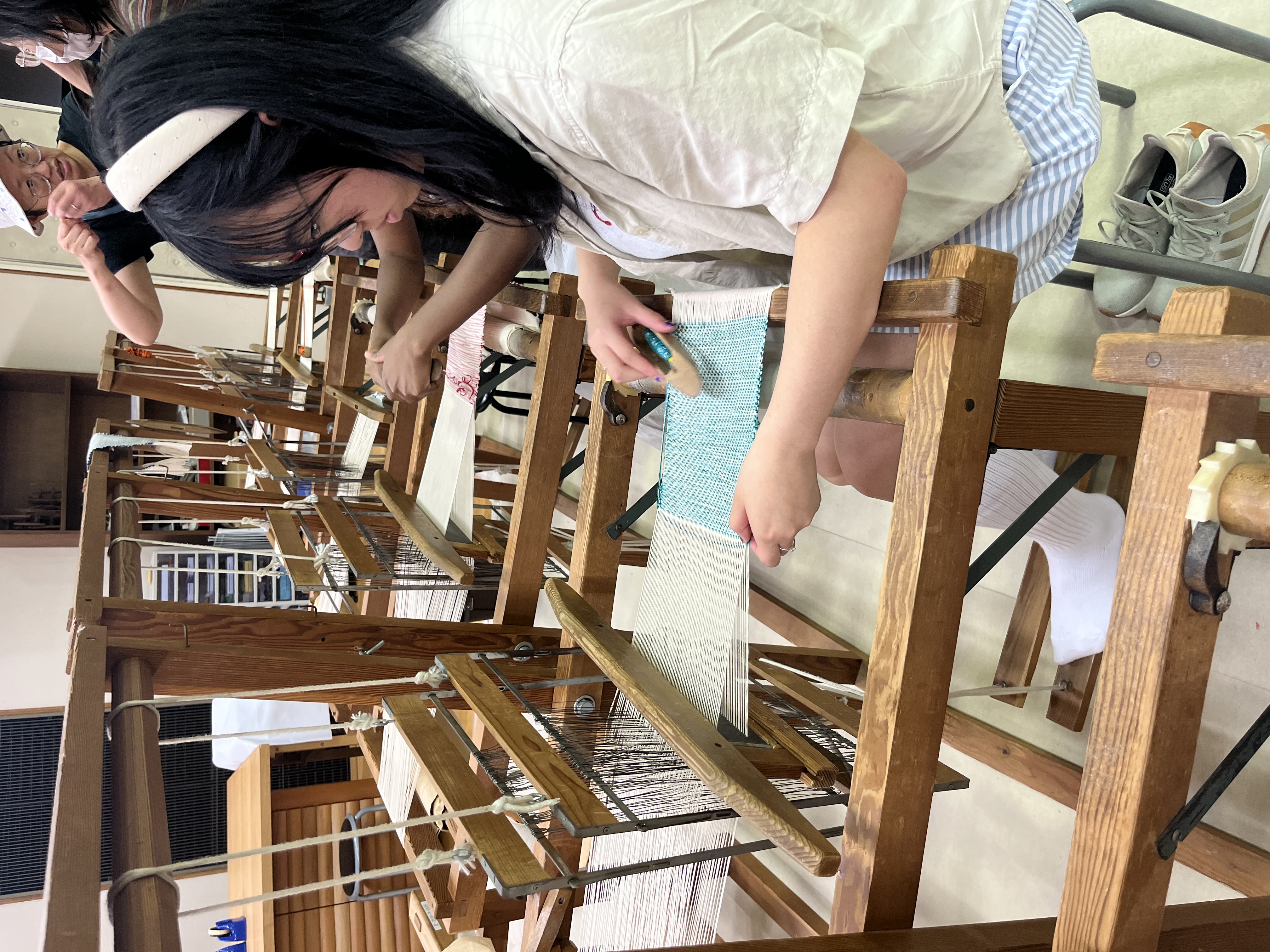
When we are talking about clothes and their price, we often think about things like beauty, prestige, and trends; however, rarely (if ever) do we think about the labor that went into their creation. For a while, it was difficult for us to understand the reasons why certain clothing items could cost upwards of a hundred dollars. However, today, we attended a weaving workshop at the Nishijin Textile Center and found that the work that goes into making the most basic form of fabric is incredibly labor-intensive. So why had we not known about this before, despite the fact that fashion and clothing have become so intertwined with self-expression? This phenomenon is called “invisible labor,” which is labor that is unseen, unrecognized, and/or undervalued in the production of a product. We will be exploring how labor goes unseen in the production, pre-production, and post-production processes of a product’s creation.
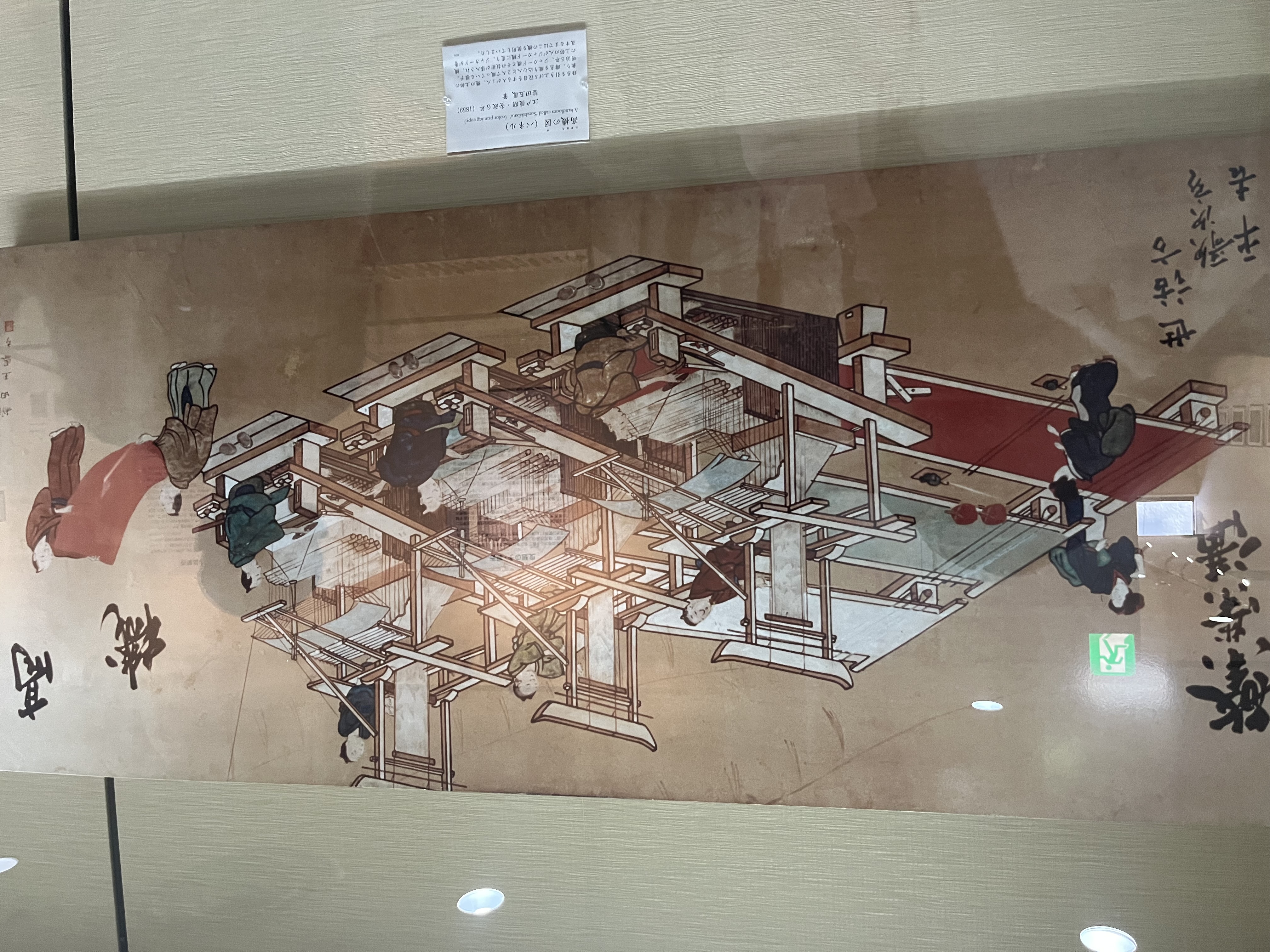
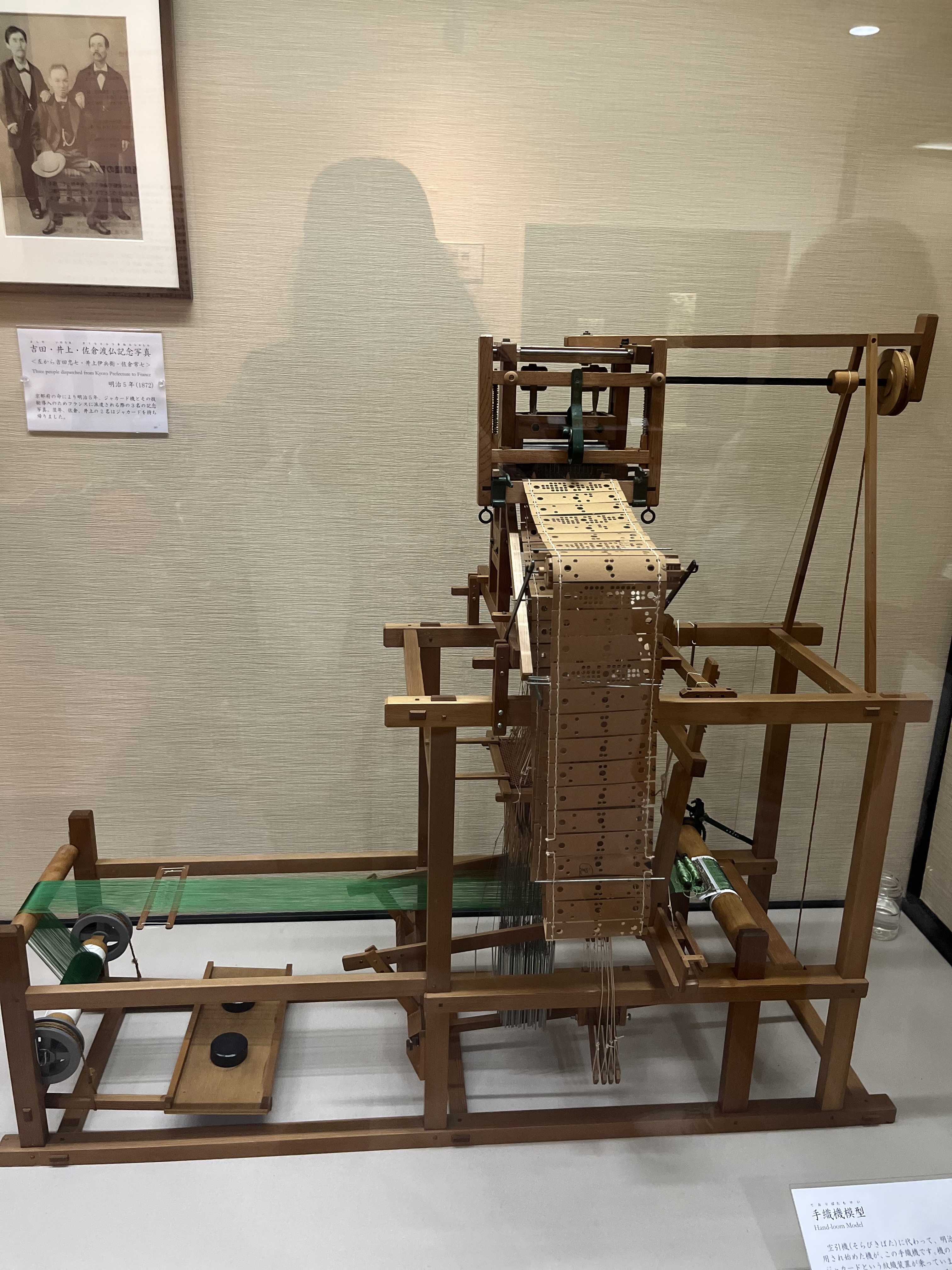
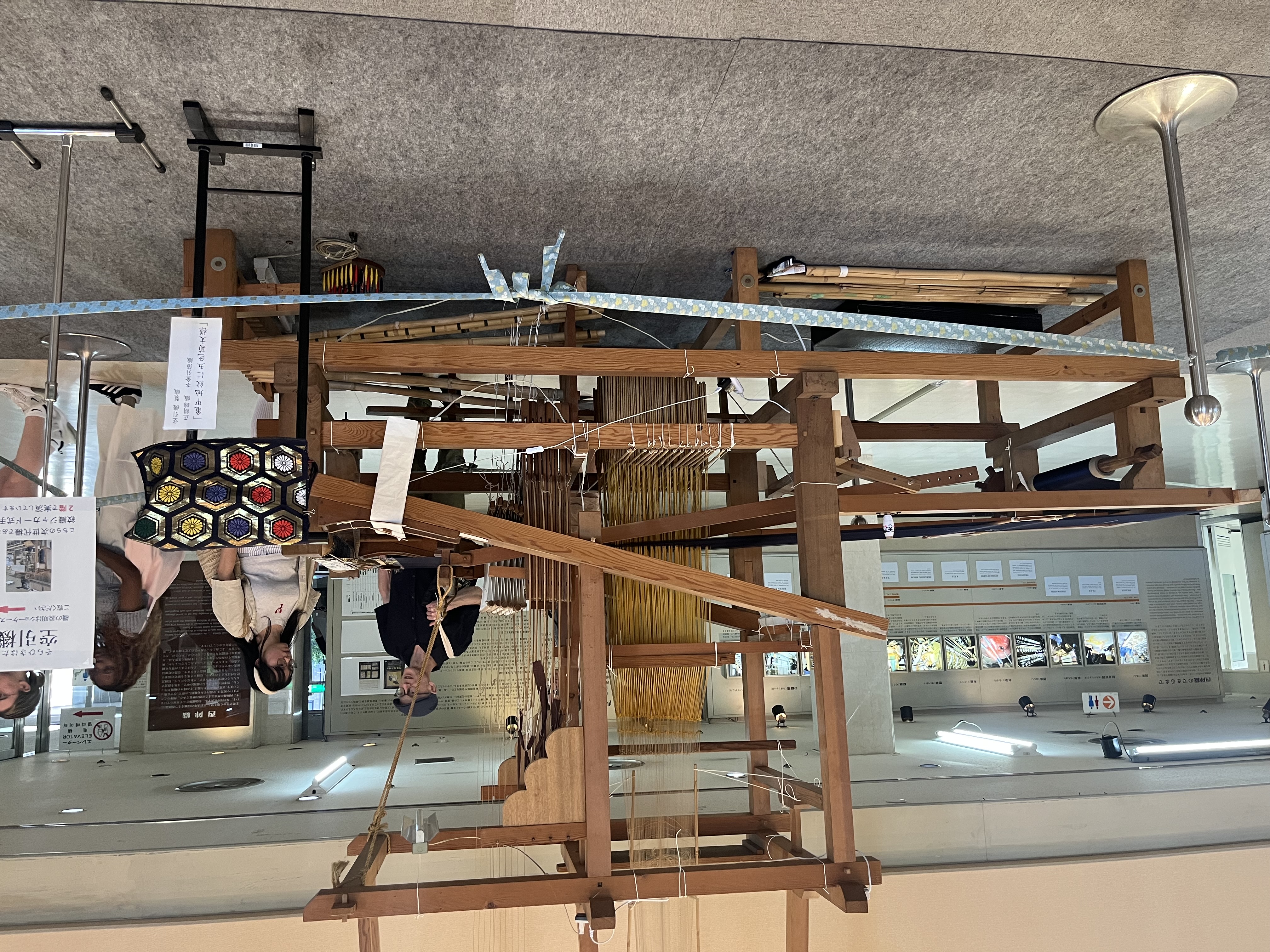
In visiting the Nishijin Textile Center, we were taught the very simple basics of an age-long practice of clothmaking known as warp and weft. Warp and weft, which is known as tate-yoko (縦横), is the process of overlapping vertical (warp) and horizontal (weft) threads, alternating the needle in each hand, then pushing it down to create the stiff woven pattern of a cloth. This practice is not exclusive to Japanese garment making; however, their adaptation of the craft is truly admirable. There are many steps in the process of creating a garment, and many people are needed to complete it. In the archives that they took us through, we saw the change over time in the process of weaving in Japan. In the Edo period, with the tate-yoko machine, Japanese weavers used the sorabiki-bata (空引機), which utilized multiple people: one at the seat, one at the loom interchanging the thread, and one smoothing the threads out. This changed in the Meiji period with the end of sakoku (鎖国), Japan’s selective self-isolation policy, which allowed for the entry of more players in the Japanese trade market than there were before, including the French. The French brought in the jacquard, which improved upon the sorabiki-bata and reduced the required manpower from three to one. This change over time is a process that repeats itself continuously as we develop more technology and become more efficient. In doing so, however, we also run the risk of reducing the visibility of the labor.
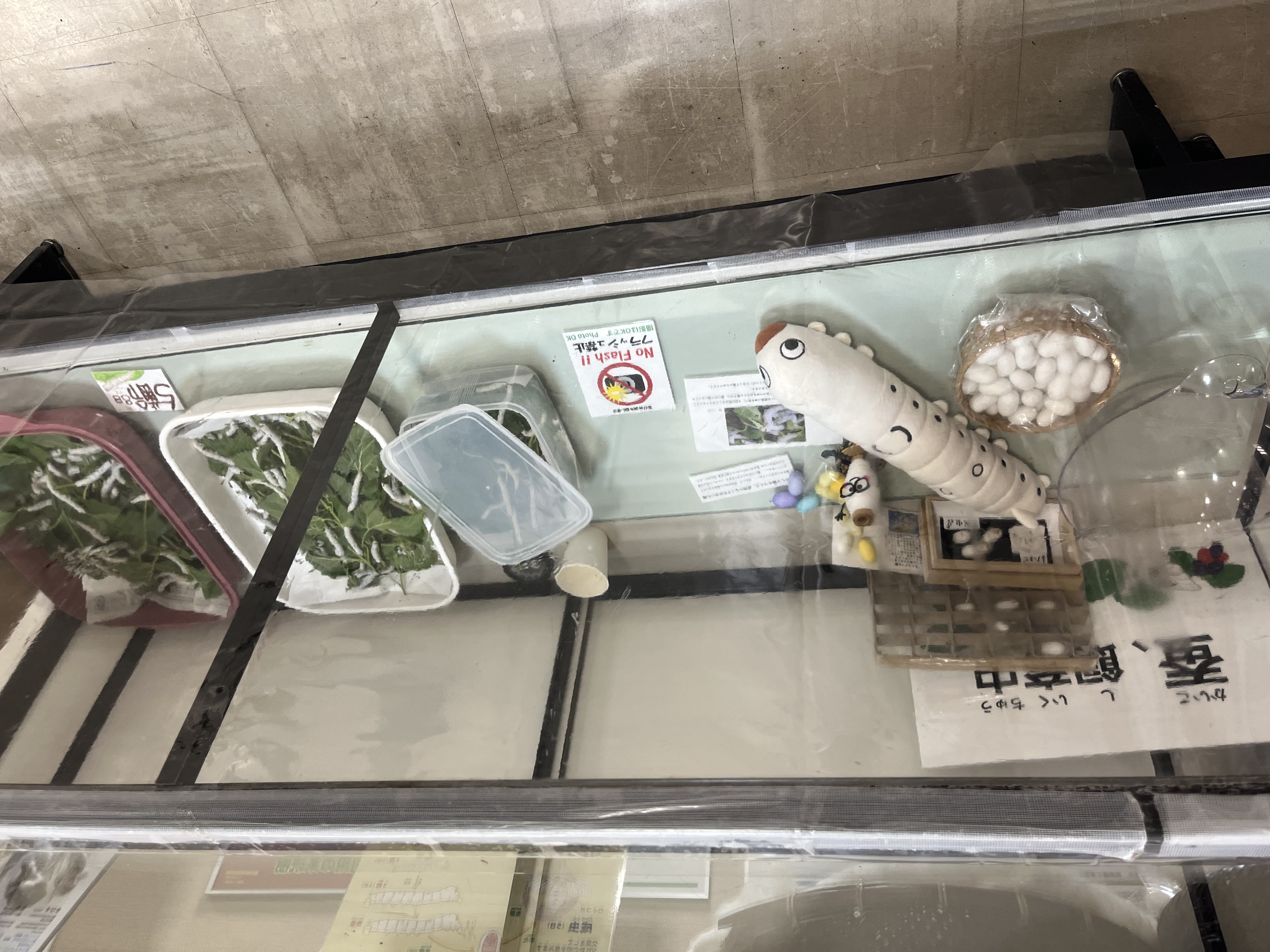
Invisible labor, as we’ve found out, starts from the very beginning with the production of silk itself. We saw that the Nishijin Textile Center was trained in sericulture (the agricultural practice of producing silk using silkworms). In traditional practices of textile making, silkworms were bred and raised until they formed a cocoon. While we now have the technology to extract the worm from its cocoon without harming it, silk worms used to be mass-killed in order to produce the soft fabric. This process of raising and killing silk worms was very difficult, making silk a more expensive commodity. While this company is vertically integrated and appears to produce its own silk, in the Edo Period, silk was most likely either outsourced from nearby countries, such as China, or Japanese farms. This means that labor was also required for importing the silk to the weaving companies. From there, products made by weaving companies would have to be transported to a clothing store before finally reaching consumers. When it’s laid out like this, it feels obvious as to why clothes would cost so much, and yet it isn’t, because these facts are rarely ever explained to us.
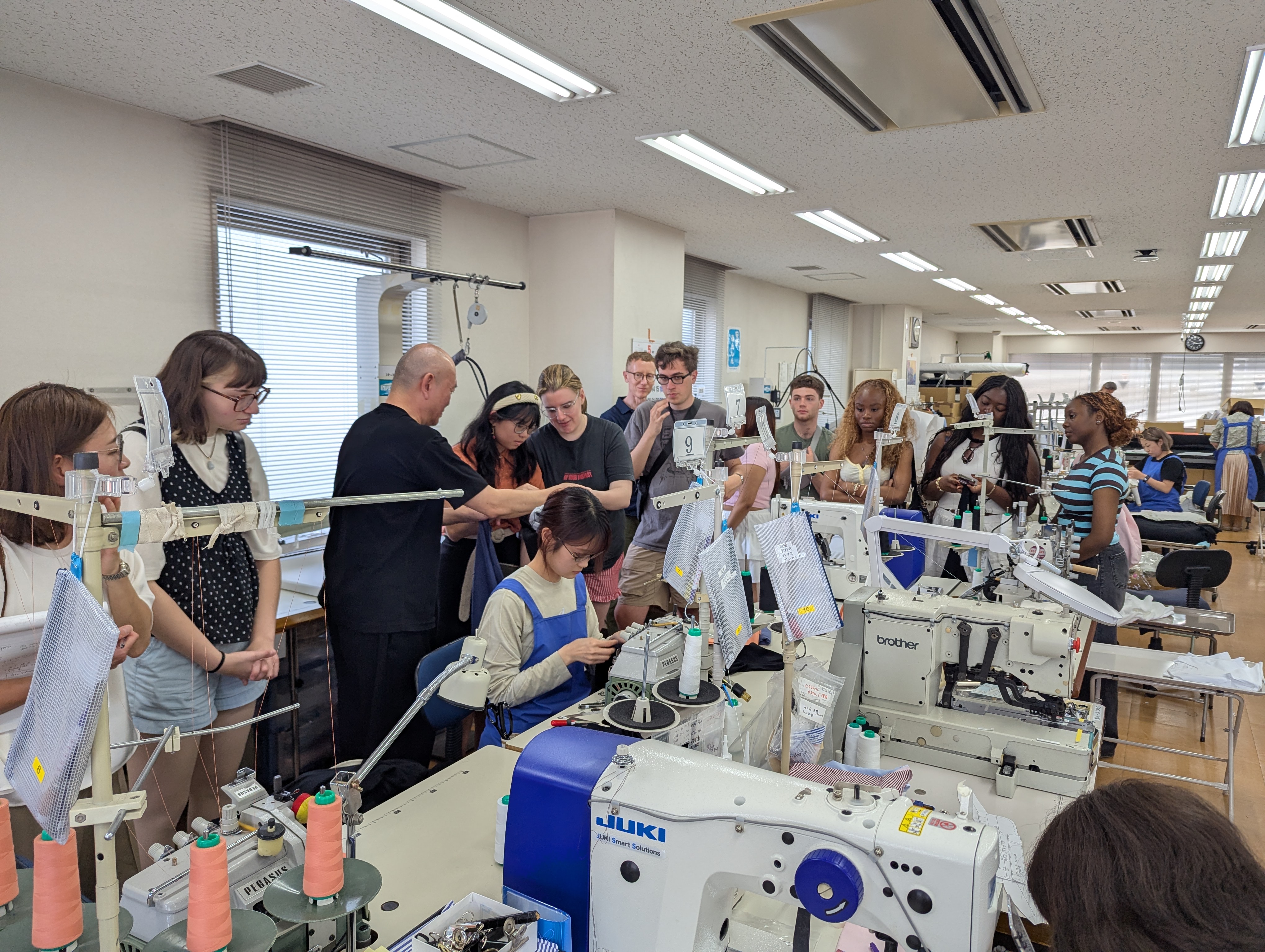
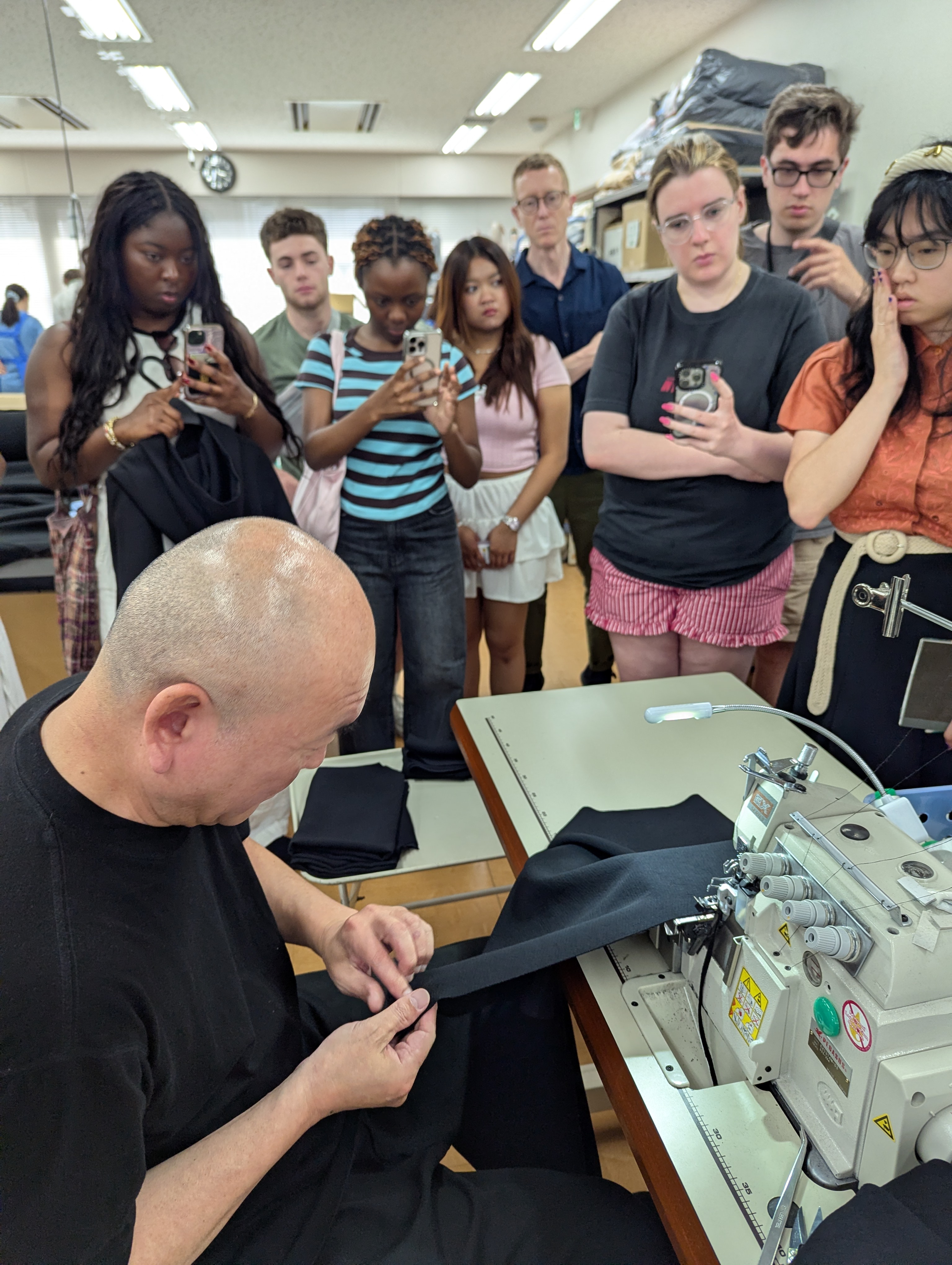
Similarly, when we visited Maruwa Textiles, we learned how they make their products and all the thought, care, and effort that goes into the creation of a simple shirt (Blog post on Textiles). Maruwa thinks about things that we wouldn’t have thought about otherwise, such as the direction of each stitch and a new kind of fabric that follows the “wrinkles” of our skin. While the Nishijin Textile Center may have given us an example of an older form of textile manufacturing, both Maruwa Textiles and the Nishijin Textile Center are examples of labor that requires discipline and patience in order to produce a quality product. At Maruwa, each worker has to be trained to mastery on ten different machines. At the Nishijin Textile Center, they must study for several years to develop the skill needed to create the intricate stitching the company is known for. Both practices represent the importance of valuing each worker and how when creating a high-quality product, precision and cohesion are required. When considering the care that goes into garment creation at both companies, it further highlights the ways in which the majority of our consumption does not value labor.
To conclude, when grappling with high prices in an exploitative capitalist society, it is important to consider the labor that goes unseen. Whether it is unseen due to unintentional ignorance or the intentional erasure of their efforts, as consumers, we must remember to think about who and what came before. If we remain blind to the importance of labor, we risk losing the integrity of the products we are consuming.
By: Akua and Zach
On this day, we began our journey to Kyoto on the Shinkansen bullet train. This is Japan’s high speed bullet train that is known for its fast and efficient system. It connects many cities across Japan with its structure and well-planned rails. Operated by the Japan Railway Group, the Shinkansen is admired for its high-speed travel and little to no delays (if late, it would be seconds rather than minutes). This transportation is seen as a symbol of technological advancement for the country and is a transportation system that can inspire other countries.
Thinking about the Shinkansen experience, one reason the USA does not have high- speed railway systems like this one is because the country was built to be largely car centric. Accessible trains are mostly in large cities like New York City. Although the U.S.A. has regional lines like Flordia’s brightline that connects Orlando to Miami, projects like that are only possible because of Flordia’s lax zoning laws. Unlike the car centric nature of USA, we realized that although many Japanese people love cars and have a car culture of their own, few Japanese people drive cars because of how difficult it is to park a car or get around as quickly as a train or subway.
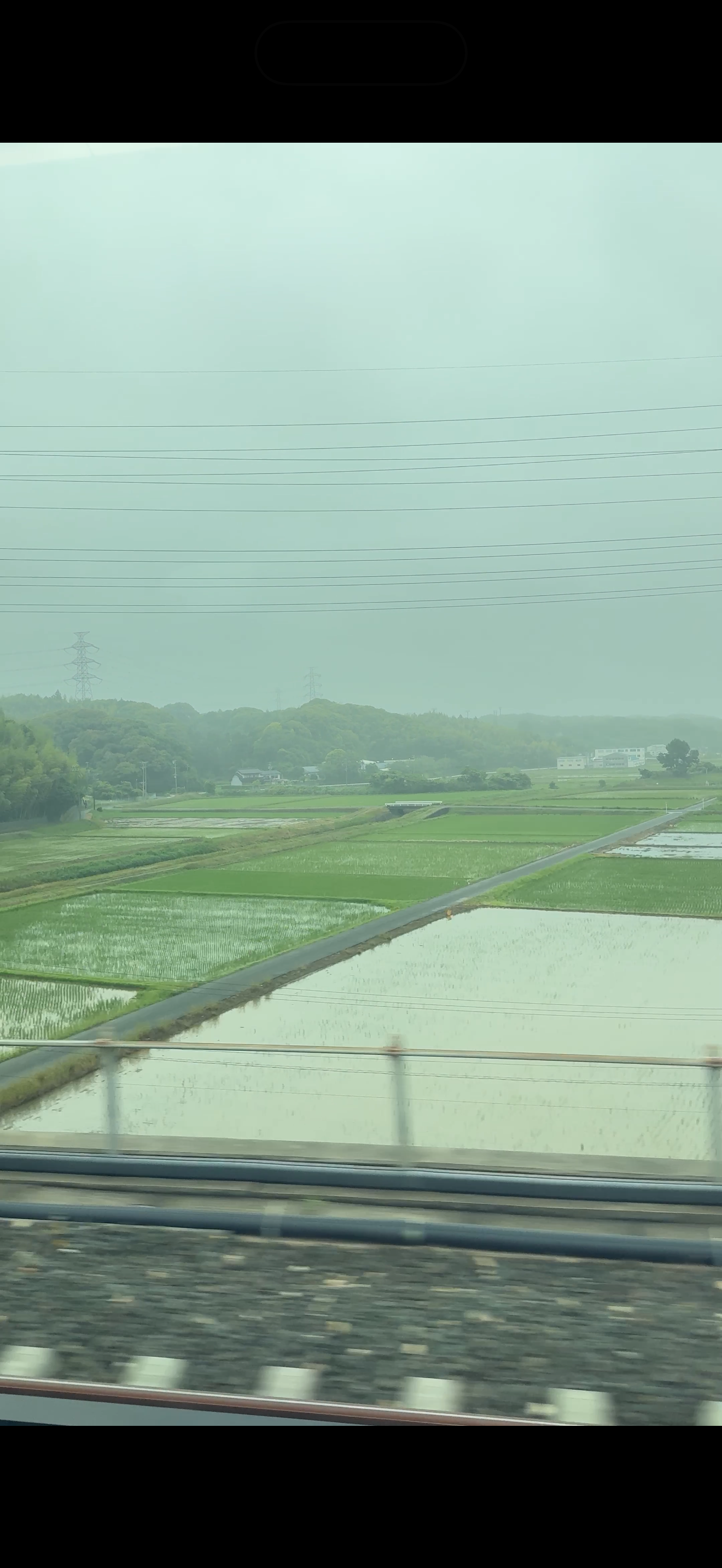
On our way to Kyoto, we observed how the train had a lot of leg room, overhead space for suitcases and more room for luggage at the back. As a group we all got bento boxes from the station and had them on the train. While on the journey we noticed the difference between Kyoto and Tokyo throughout the train ride. Kyoto had many farms, rice fields and mountains, and the urban design was outside of the typical high-rise city architecture. We got off the train after two hours and made our way to our first bus ride of the whole Japan transportation experience. It is quite similar to the U.K. bus system because it had the same card transaction method (Suica in Japan and Oyster in U.K.) and the same seat style. While riding the bus, we noticed more differences between Kyoto and Tokyo because Kyoto seemed to have more buses, bicycles and felt more homey in the sense of having an elderly population (for the area we stayed at). Kyoto was much quieter and as opposed to Tokyo, there were fewer high-rise buildings.
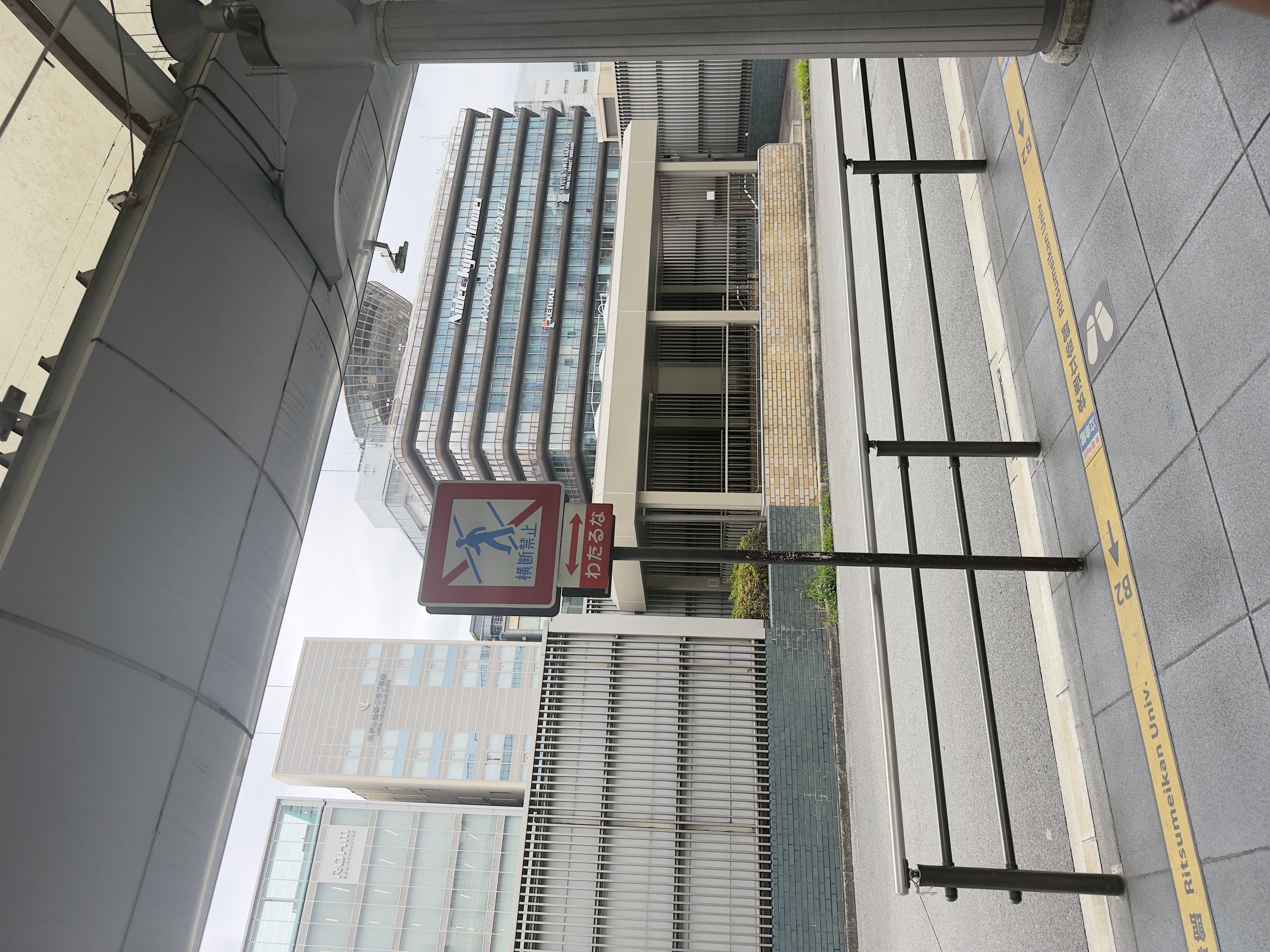
To conclude, we had a very smooth ride on the Shinkansen and ultimately were immersed into a different experience in Kyoto tan Tokyo. They differed in many ways from the common transportation mode to the architecture and in some ways the demographic residing in the aera. To immerse yourself in our Shinkansen ride, you can imagine a fast, smooth, quiet, and zero turbulence car ride or a much better airplane ride.
By: Nilay Ernst and Cristiana Land
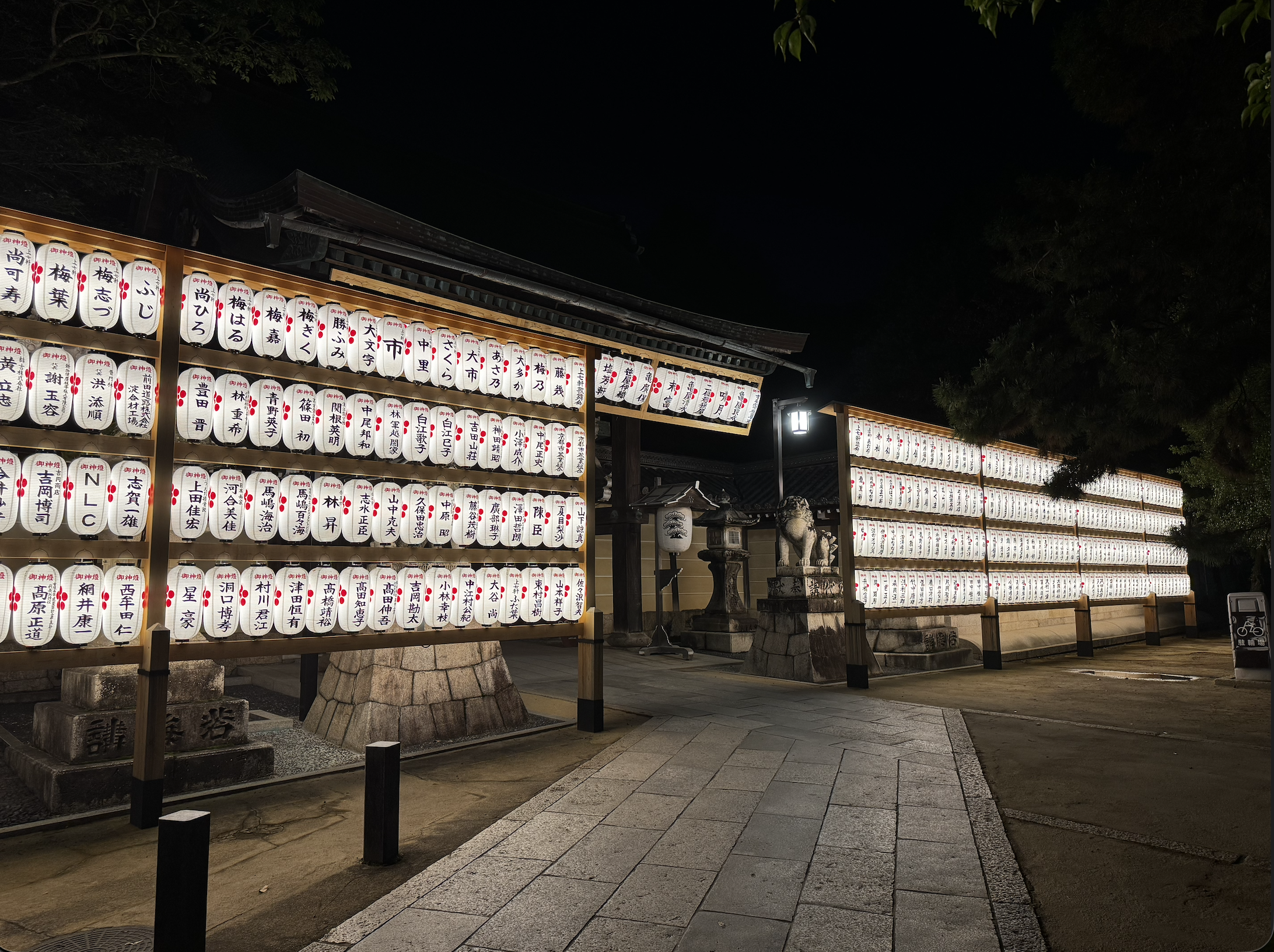
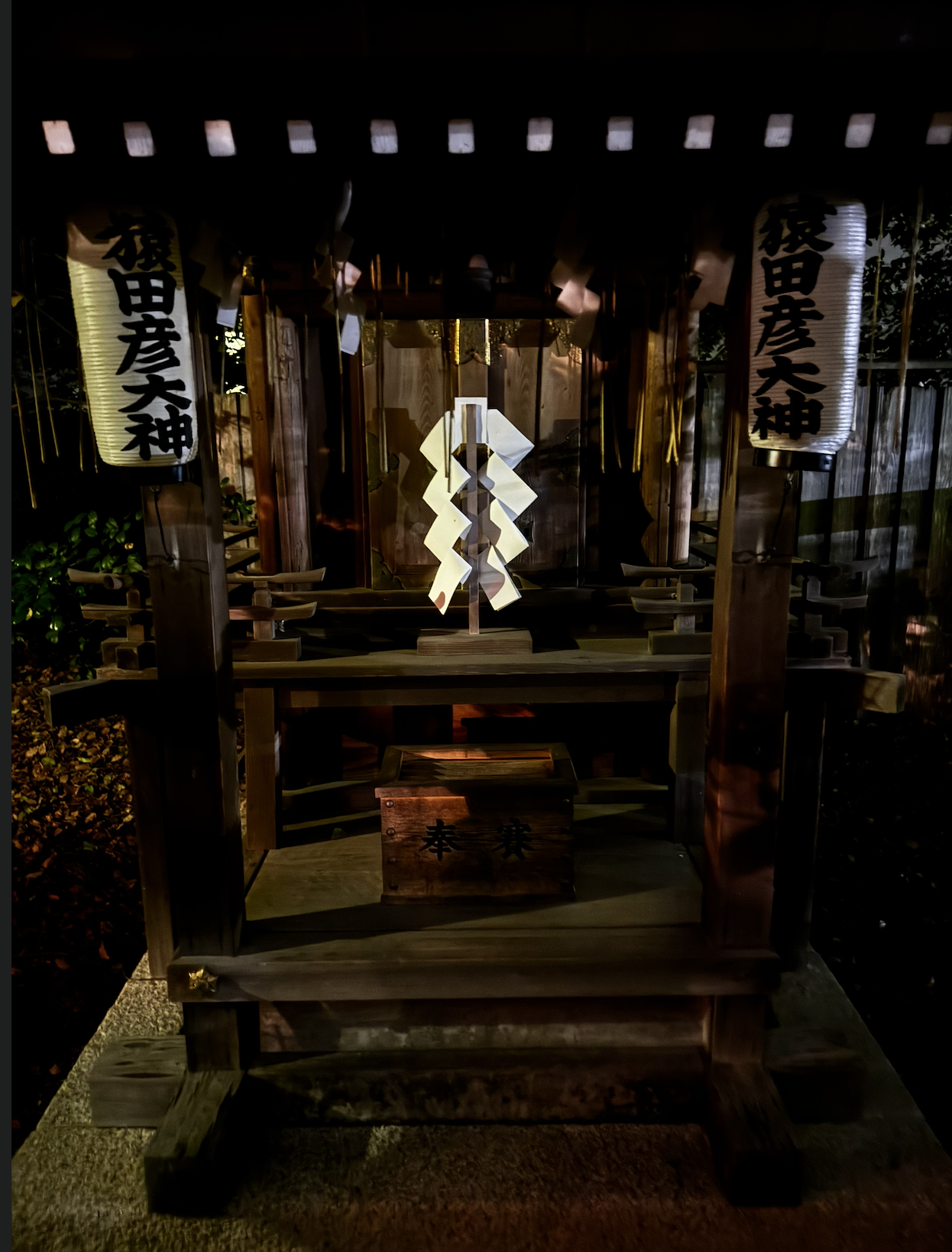
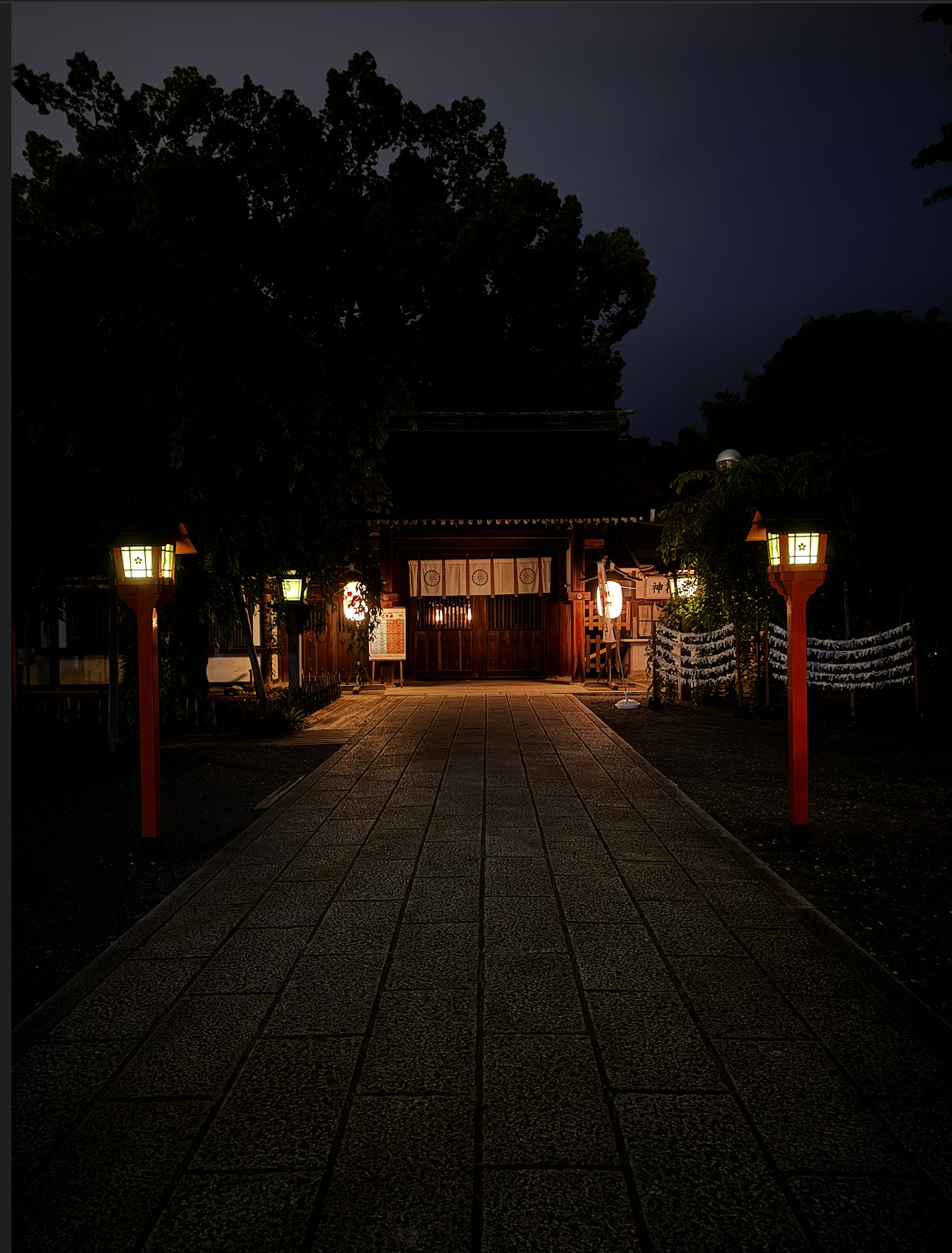
Today we finally got to enjoy our first full day in Kyoto. After spending time learning some Japanese, we went out to explore some parts of Buddhism and Shintoism around us. Luckily, there’s a Shinto shrine two minutes away from where we’re staying. It was interesting because this one looked a little different from the Meiji Shrine. The front gate was surrounded by lit up lanterns (I went at night which I think was great for this picture) called chōchin. These lanterns are often placed at the entrance of shrines and act as bridges between reality and the spiritual realm. I couldn’t go into the shrine at this time but I was able to walk over to another shrine that was more open.
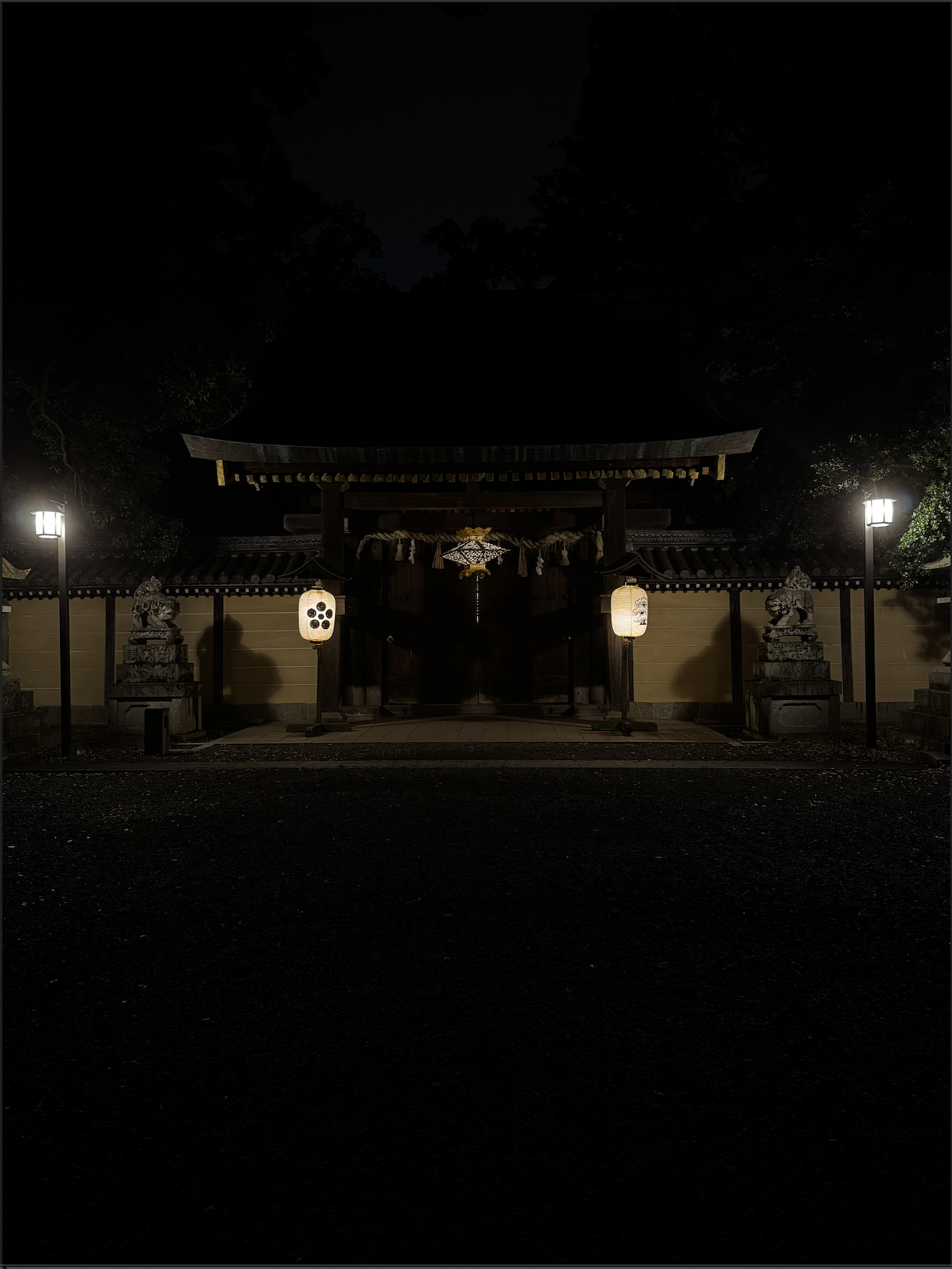
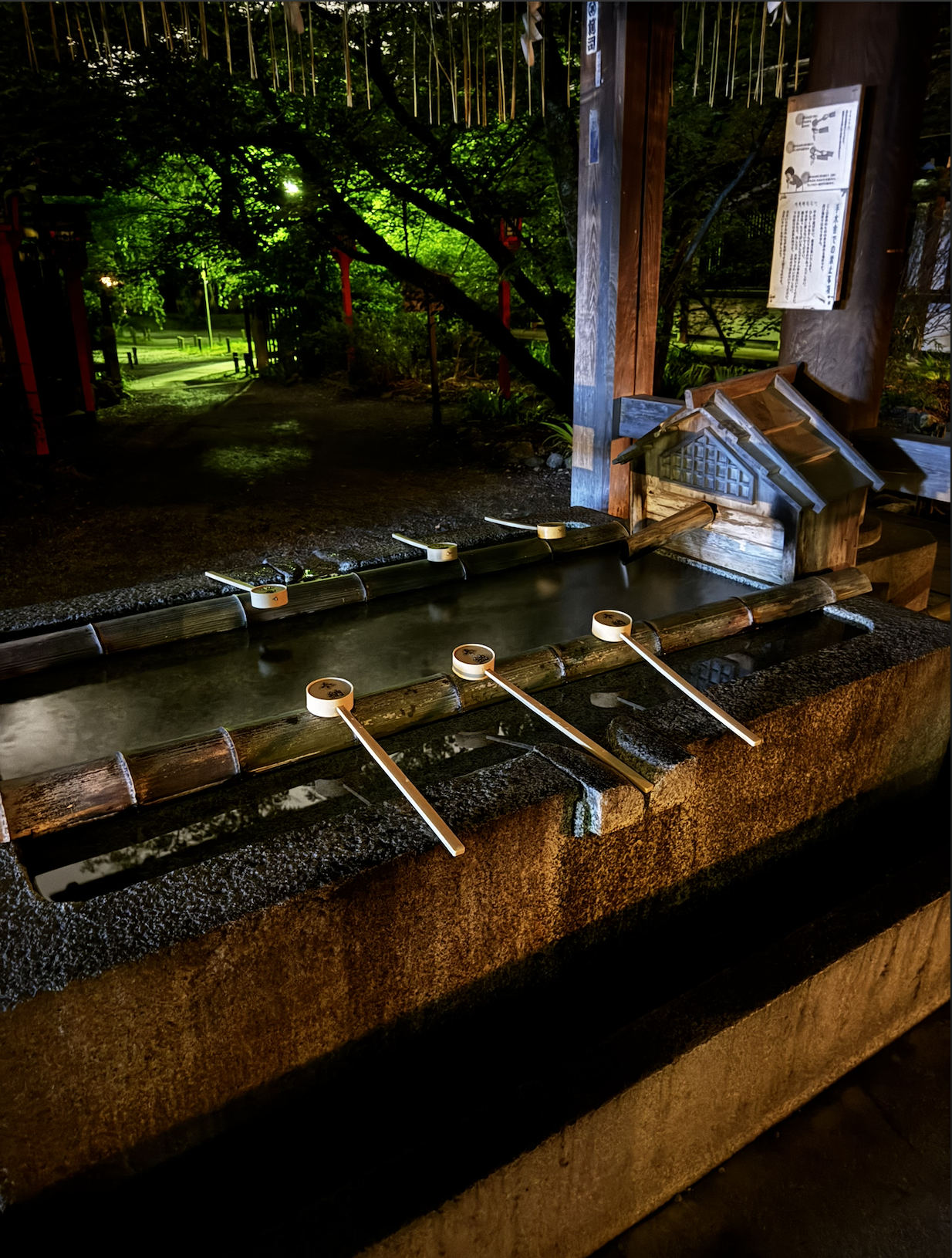
The second shrine was very close to the first one, but it had some different aesthetics from the first one. Most notably, there was a water purifying station different from the Meiji Shrine. This shrine had the ladles that one would use to pour water on their hands during the purification ritual in order to cleanse yourself from your sins and be able to present yourself to the kami (gods). Both shrines had similar vibes, but the second one had a stone by the front gate, which seems to symbolize a memorial. Lastly, we discovered a mini shrine by the memorial. These shrines don’t have a set look, coming in all different shapes and sizes. Even though there are differences, each shrine serves a purpose to guide those who pay respects to the kami.
It was interesting to see the Rokuon-Ji Buddhist Temple, nicknamed The Golden Temple Pavilion. Unfortunately, the inside of the temple remained closed to visitors, so we were only able to get an understanding of what the inside looks like through pictures outside. It was really crowded with tourists, but the temple itself was incredibly pretty. It was interesting to see how the temple contrasted with the lesson we had today about Buddhism. Buddha strongly believed that desire would lead to suffering, but despite this, the temple was covered in gold. It was interesting how the temple charged a 500 yen fee in order to enter. This contrasts heavily with how most temples or similar locations in Japan are free to visitors, including even most Shinto shrines. The Phoenix on top of the temple symbolizes rebirth and transformation in Buddhist ideology. Outside of the temple itself, it was interesting to observe other aspects of Buddhism. For example, we were able to see the White Snake Pagoda outside as well as a waterfall. They represent a connection to nature in Buddhism and are often associated with meditation.
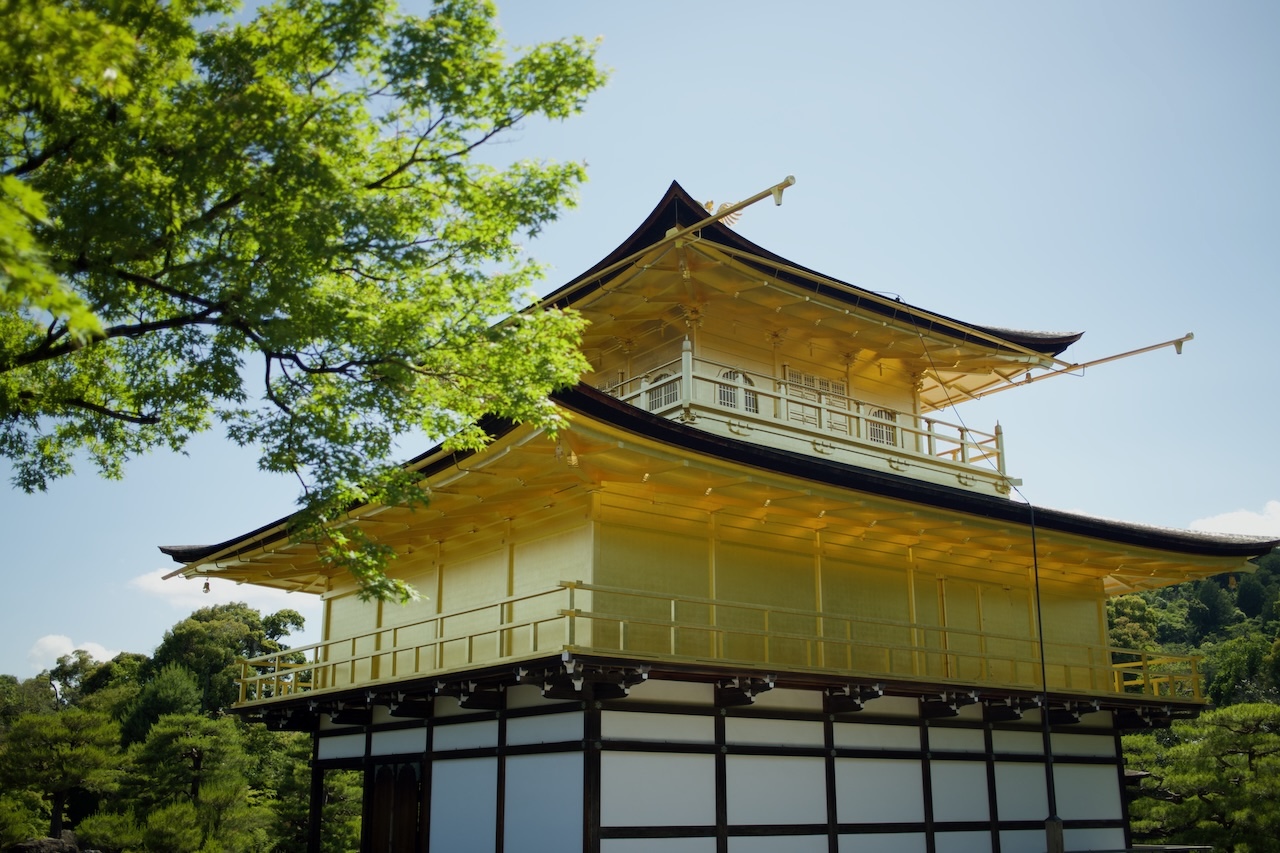
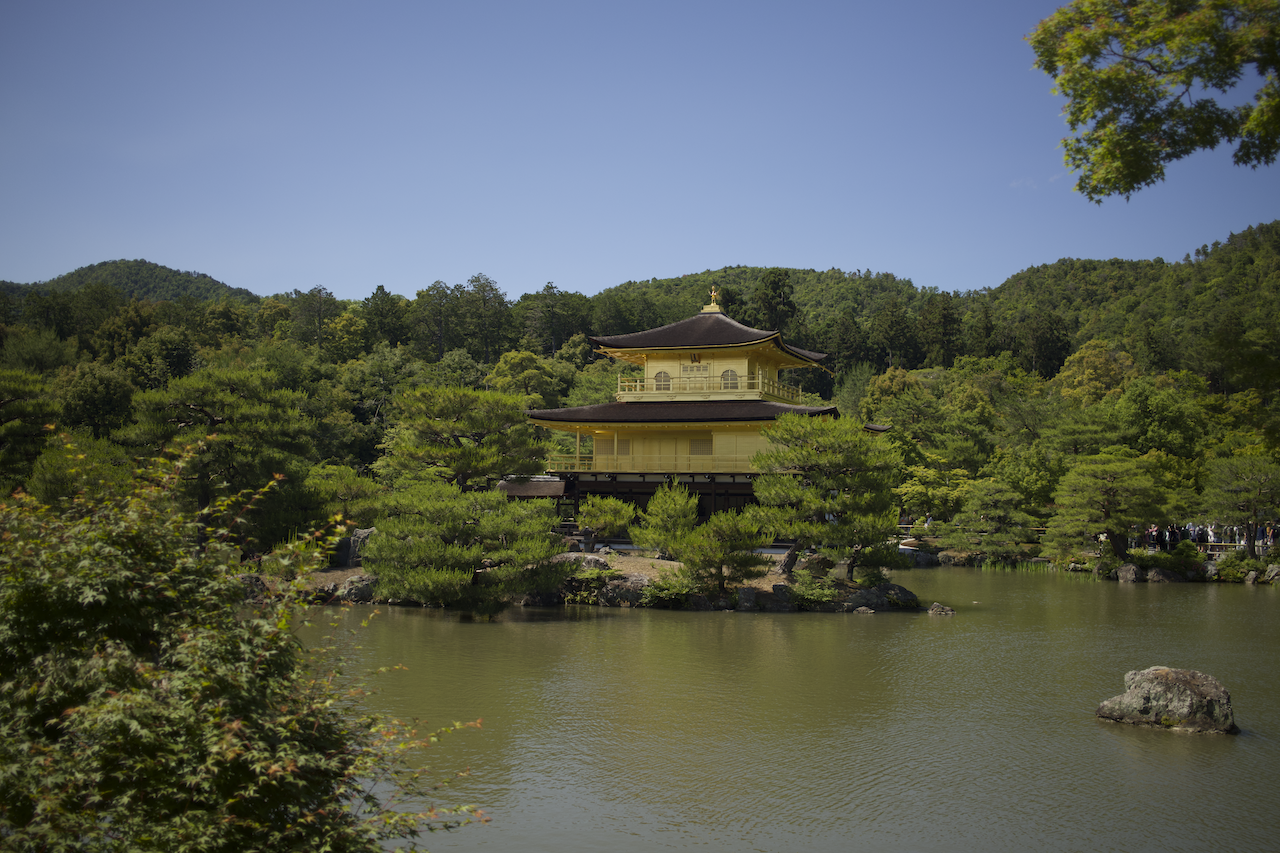
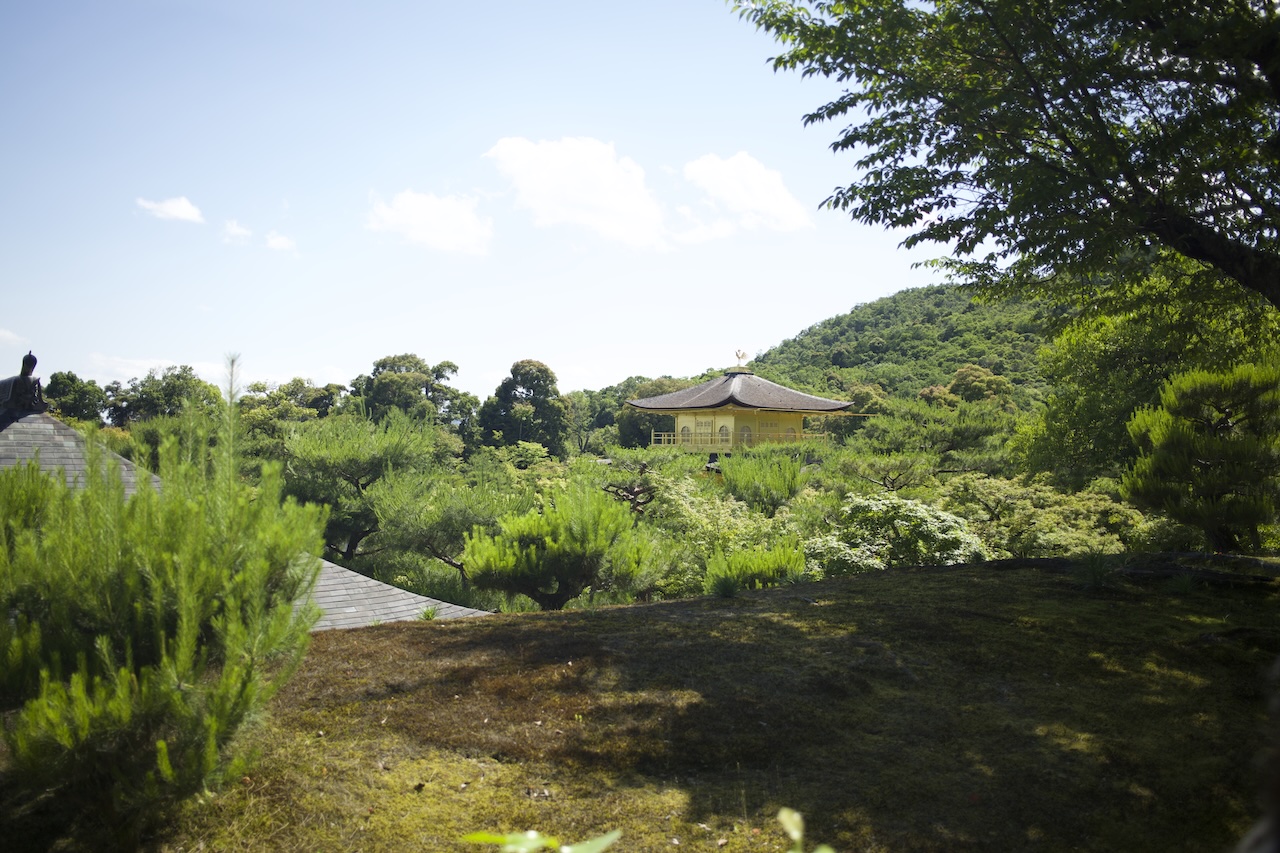
Pictures of Rokuon-Ji Buddhist Temple
By Farida and Caitlyn
Our Japan Trek group visited Rikkyo University in Ikebukuro, and it was one of the calmest places we have been to so far. Even though the university is in the middle of Tokyo, the campus felt quiet and green. There were huge trees everywhere, plants covering old brick buildings, and students sitting outside. It did not really feel like being in a huge city. We were guided by Dr. Meg Itoh, who is also an alumna of The College of Wooster, which made the visit feel more personal. It was nice hearing someone connected to Wooster talk about life and history at Rikkyo.
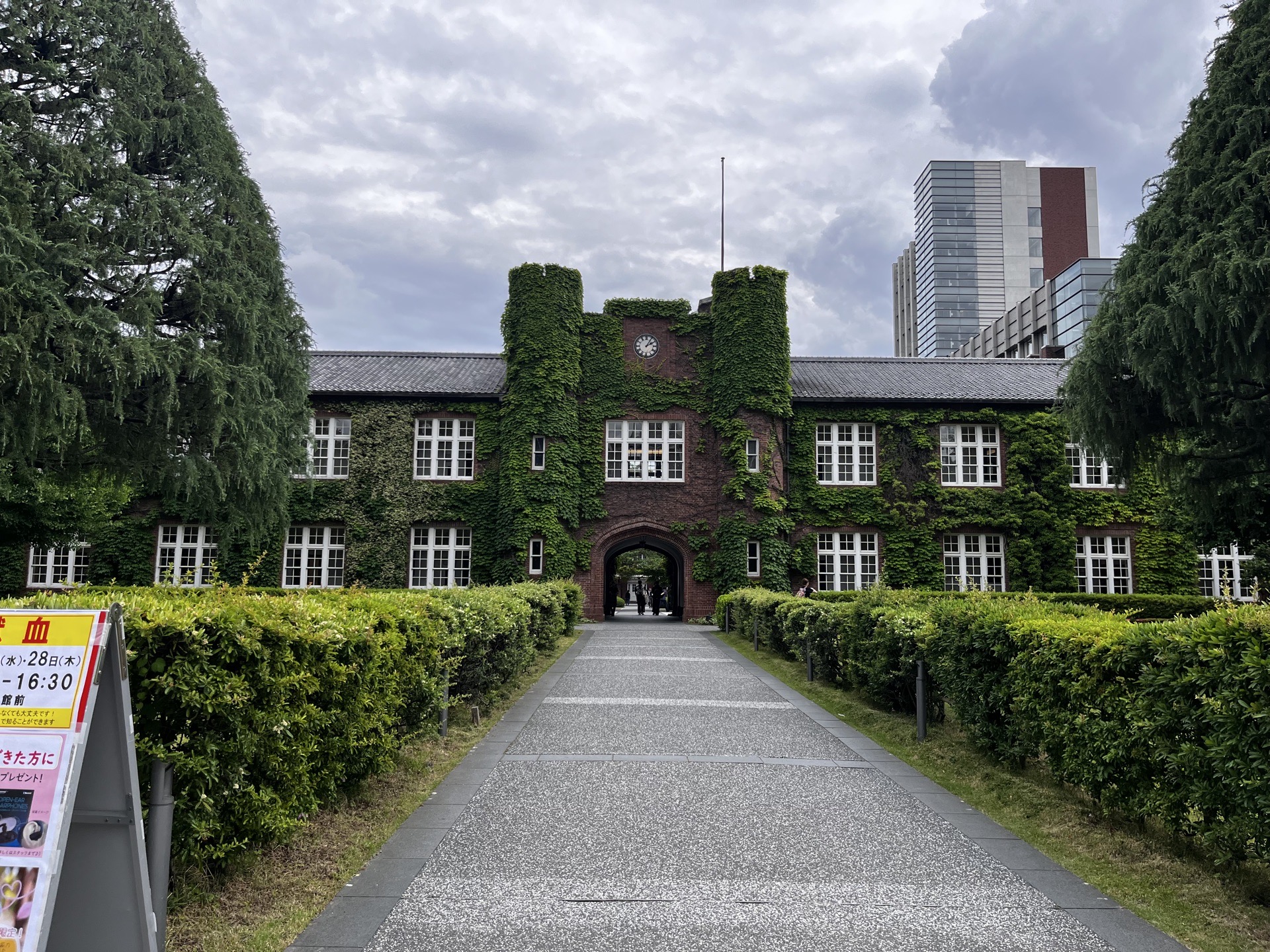
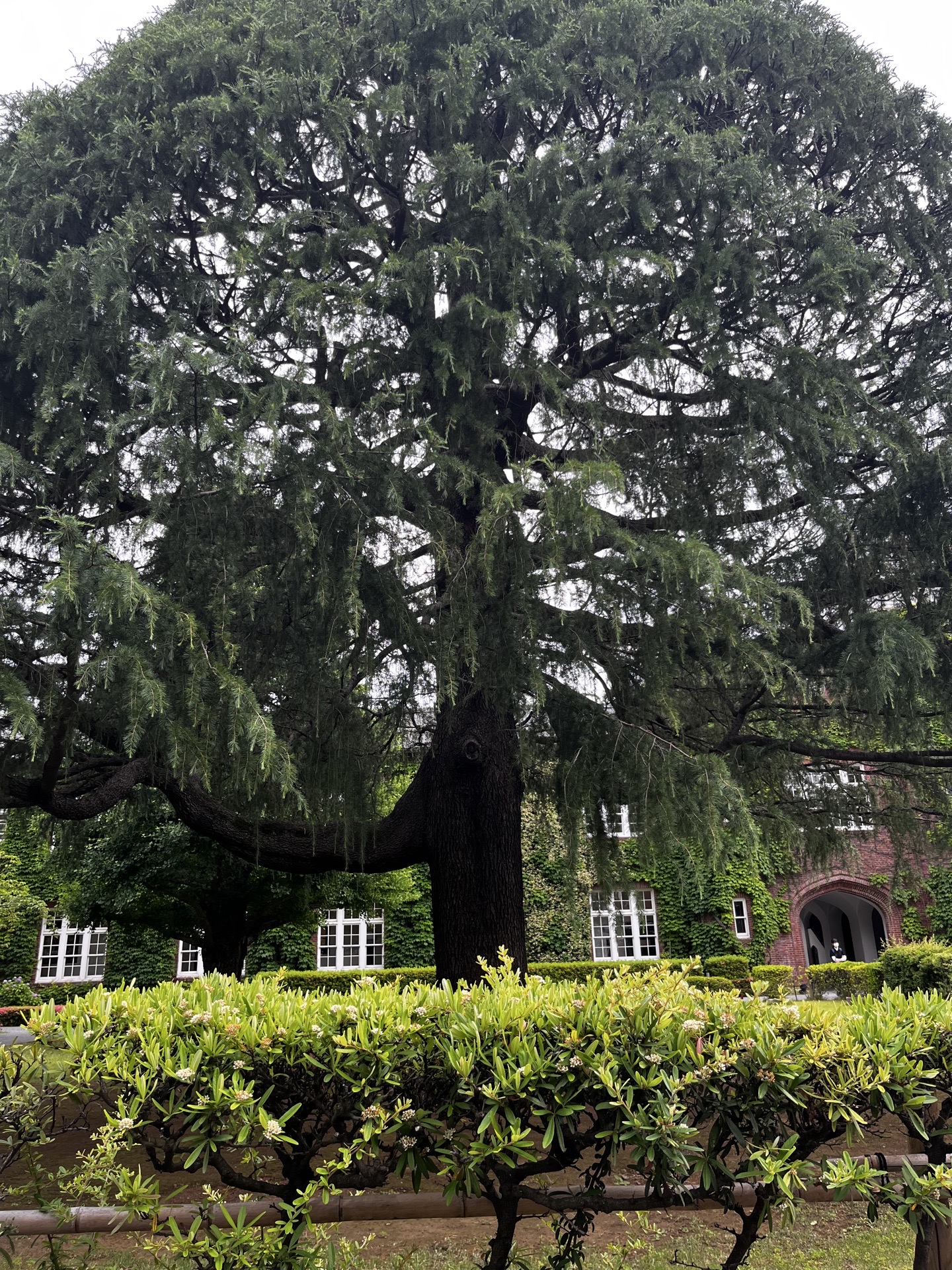
One thing that stood out to me the whole time was how connected the campus felt to nature. The giant green trees near the main building were beautiful. They are known as the “Twin Giants,” and in winter they become the center of the university’s Christmas lights display. Looking at those trees it made me think about Shinto beliefs and the idea of kami, or spirits living within nature. Throughout Japan we have been seeing how nature is respected instead of separated from daily life.
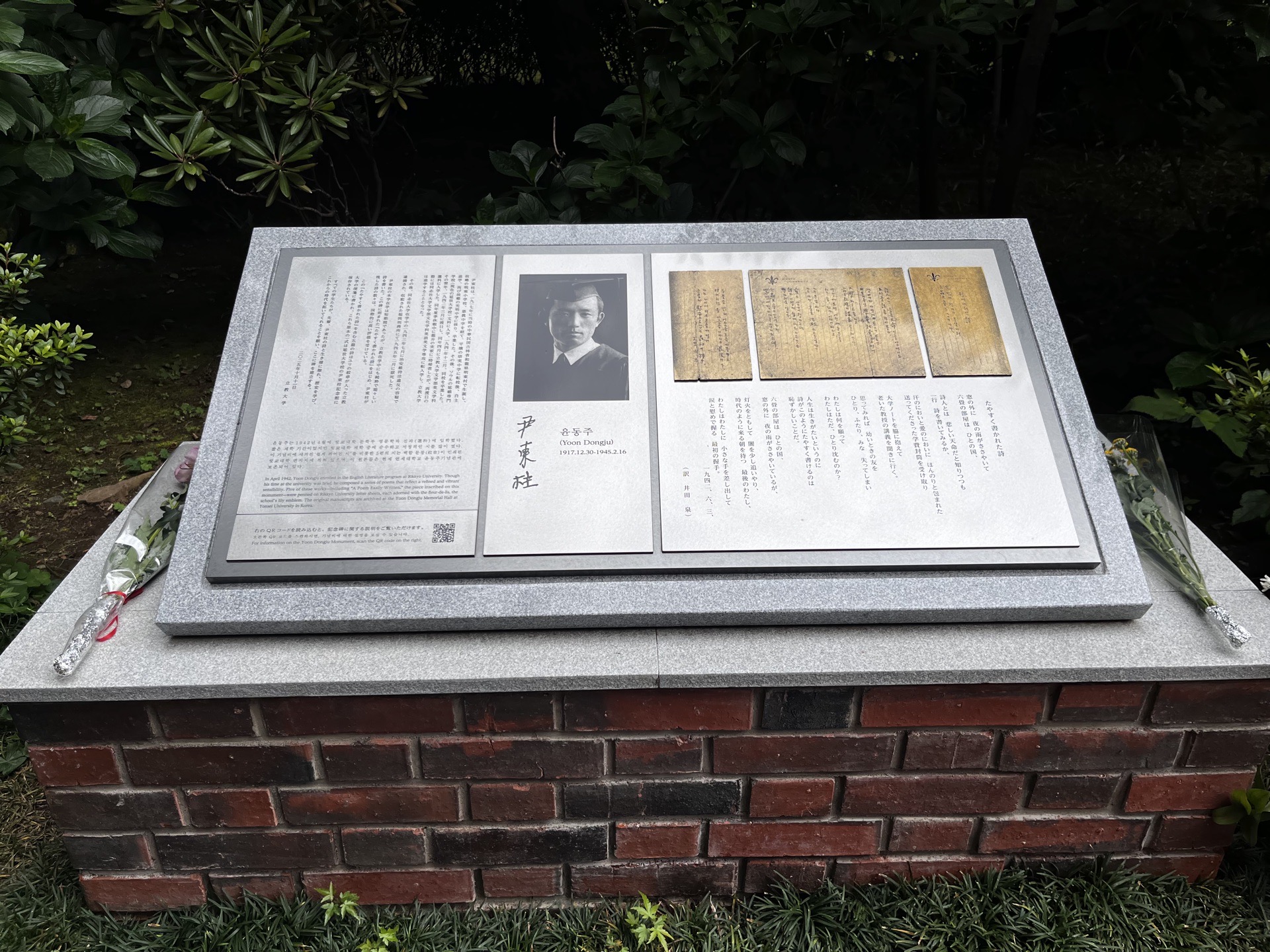
The campus also had a lot of history. We learned that red brick Morris Hall survived both the Great Kanto Earthquake and World War II air raids, which is fascinating to think about. We also saw the chapel and the old dining hall that students compare to Harry Potter. One of the most meaningful parts of the visit was learning about Yoon Dong-ju, a Korean poet who studied at Rikkyo during Japanese colonial rule over Korea. He continued writing in Korean even while the language was being suppressed, and later he was arrested and died in prison. There is now a monument for him on campus. His story connected to our textiles theme in a way I didn’t expect. Textiles reflect culture and identity, and his poetry felt the same way because he used writing to keep hold of his identity at a time when people were being pushed to let go of it.
There were also other connections to our other themes. Rikkyo was founded at a time when Western education and ideas, including medicine, were becoming more common in Japan, and the school still shows that mix of Japanese tradition and Western influence. It also made me think about sugar because the campus felt very centered around community. The cafes, dining halls, and traditions like the winter illuminations give students places to come together.
Overall, it was fascinating to witness the contrast between college life in the States and Japan – from the tranquility of the “Twin Giants,” the Harry Potter-like dining hall, and learning about Yoon Dong-ju’s story, Rikkyo University represents a striking intersection between what we typically perceive as “Western” culture and “Japanese” culture. At the end of the day, the thing that moved me the most was witnessing just how similar we all are.
By Cristiana and Jessica
Akihabara
Today, we ventured into the world of ultimate consumerism. Not far from where we’re staying is Akihabara, the center of Japanese pop culture and the global capital of Otaku culture (Otaku meaning geek culture). Akihabara features stores ranging from collections of electronic, anime, and manga, catering to niche pop culture. Walking through it all was overstimulating to say the least, as each store was clustered around each other. Most stores were multi floored as well, serving as what I thought to be like a mini mall.
I happen to have a bit of knowledge on computer parts and with the ongoing RAM and graphics card shortages in America, I thought it would be interesting to see if the center of technology in Japan would have anything to offer. What I saw was everything I expected to see, marked up prices with a shortage of high-end RAM and graphics cards. I was surprised however because I expected there to be more stock along with cheaper prices with Japan being so close to China. Unfortunately, that was not the case. After that I made my way to the camera floor and after looking at the prices, I decided my phone camera was more than enough for me. I also saw this screen showing the quality of the camera video and decided to have some fun with it.
After looking at computer parts, I made my way over to an anime store. This store included 8 floors of anime items (figurines, CDs, basically anything you could think of branded in anime) and manga. I was amazed by how such a small building with such small pathways, asiles, and escalators was so functional.
While looking into Akihabara, I found some interesting points about its history. During the Edo Period, it was believed to be a place where lower class samurai were to live, along with being a connection from Edo to northern Japan. After World War II during the post war Showa Period, the Akihabara area became the black-market hub for radio parts. Due to Japan having a weakened government post war, Akihabara grew in popularity as the black market continued to thrive and officially become a market city. Onward into the bubble period of economic prosperity in Japan continued to show a busy and prosperous Akihabara, even when Japan’s economic bubble pops in the 90s. By then, radios were beginning to lose their dominance in the market, with computers beginning to take charge. With this change came a new look for Akihabara, one full of personal computers which had then begun to cater to the otaku community of “computer nerds”. Akihabara is a beautiful showcase of Japanese culture and I highly suggest anyone planning to come to Japan to make the trip and check it out.
Ad Museum
The Ad Museum Tokyo opened in 2002, a place that displays Japanese advertisement and marketing from the Edo period (beginning of the 17th century to the late 19th century) until the present day. Our tour guide began with a short summary of the museum, introduced some of the earliest models of ads, and showed our group examples of those early Edo ads within the museum. Advertisements and marketing in the museum promote goods like food, sweets, cosmetics, medicine, cultural events, movies, celebrities, cigarettes, alcohol, and technology. This museum also aims to show how everything around us promotes emotions or ideas; in the words of our tour guide, “…advertising can be a mirror to society”.
In the Edo period, main forms of advertisement and marketing include: Nishiki-e (graphic art works made by woodblock printing), Kabuki (marketing included into Japanese theatre, many actors commonly created Nishiki-e), and Kusazoshi (comic books). While in some forms of consumer culture, shared values and products come from marketing from the higher class into the lower class, but in the Edo period, the townspeople hold the influence into Japanese consumer culture. One indicator of that priority with Japanese common people was the accessibility of these advertisements: Nishiki-e were sold for very cheap with information covering almost the whole page, Kabuki promoted items both in performances and during intermissions, and Kusazoshi had color-coded covers to market the different subject matters.
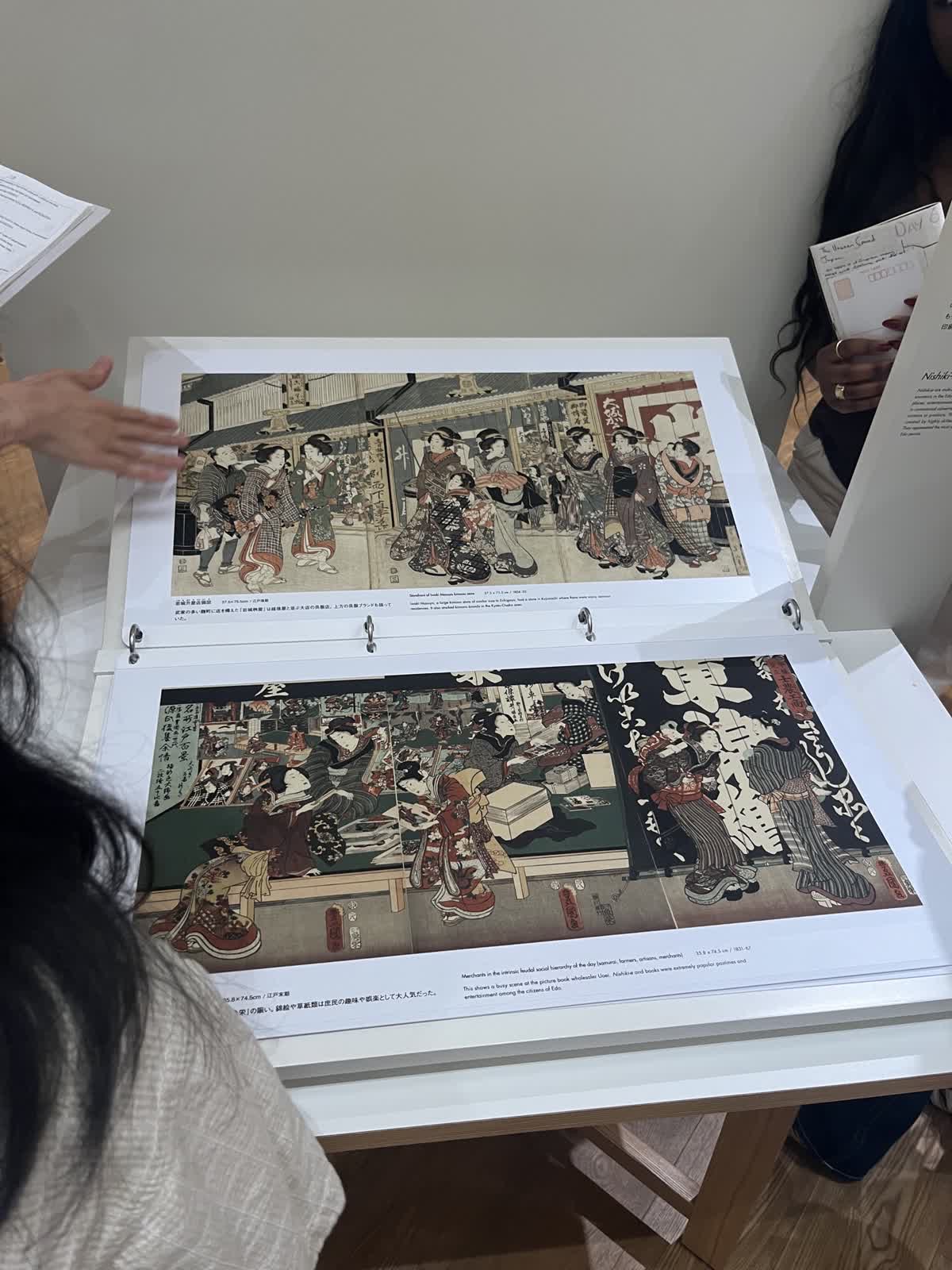
Example of a Nishiki-e print from the Edo period.
The curations and promotions of ideas throughout time not only are represented in the advertisements within the museum but are also reflected in the museum layout itself. The advertising history in chronological order moves along the wall on the museum, making an easy timeline for visitors to walk through.
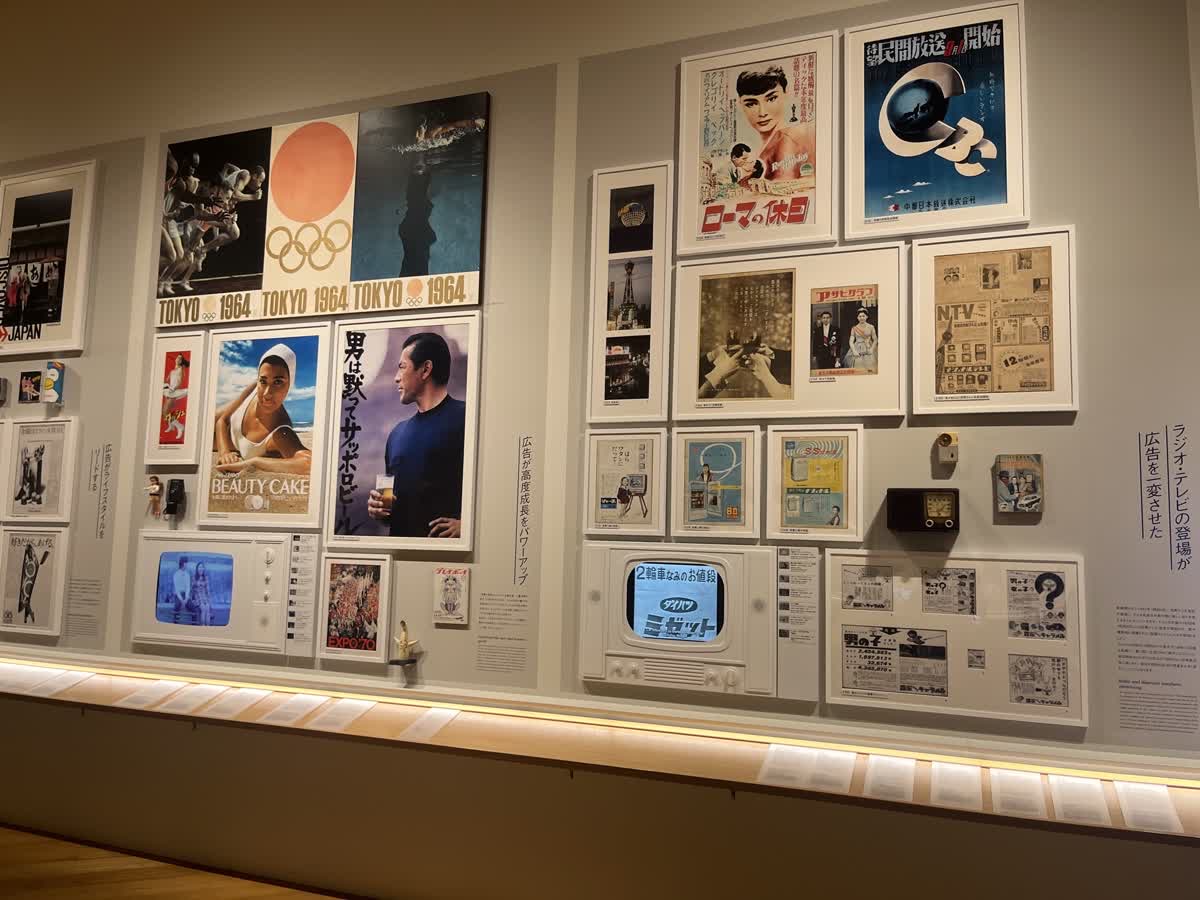
Wall of Post-War Japanese Ads.
To convey the importance of mood in marketing, the museum includes individual audiovisual booths that each convey a particular emotion, allowing visitors to an enclosed space to examine their feelings in response to what they see in ads.
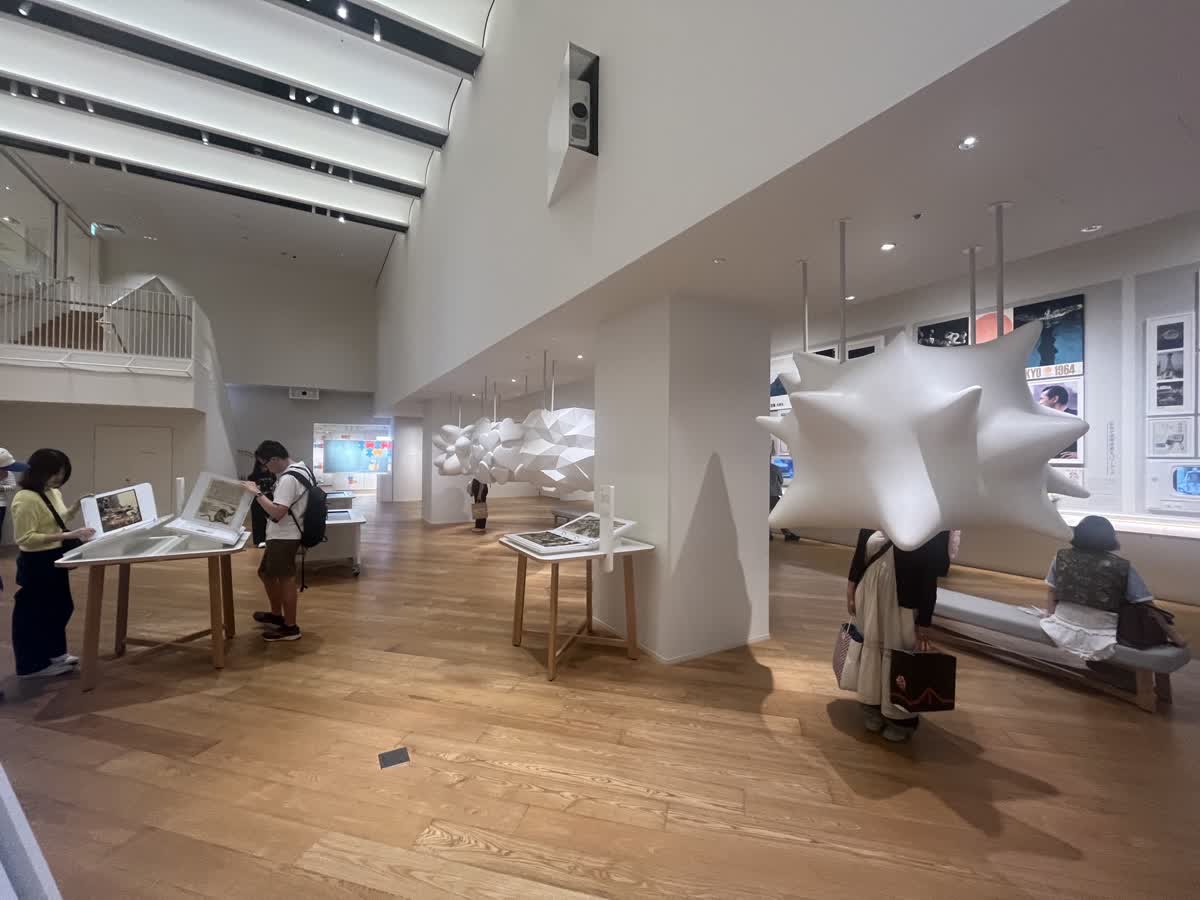
The “Four Feelings” audiovisual displays visitors can walk inside of. Each shape represents the emotions the ads promote within.
Along with interactive digital displays in the main chronological walls, there are also multiple collection tables, where people can scroll through endless contemporary ads.
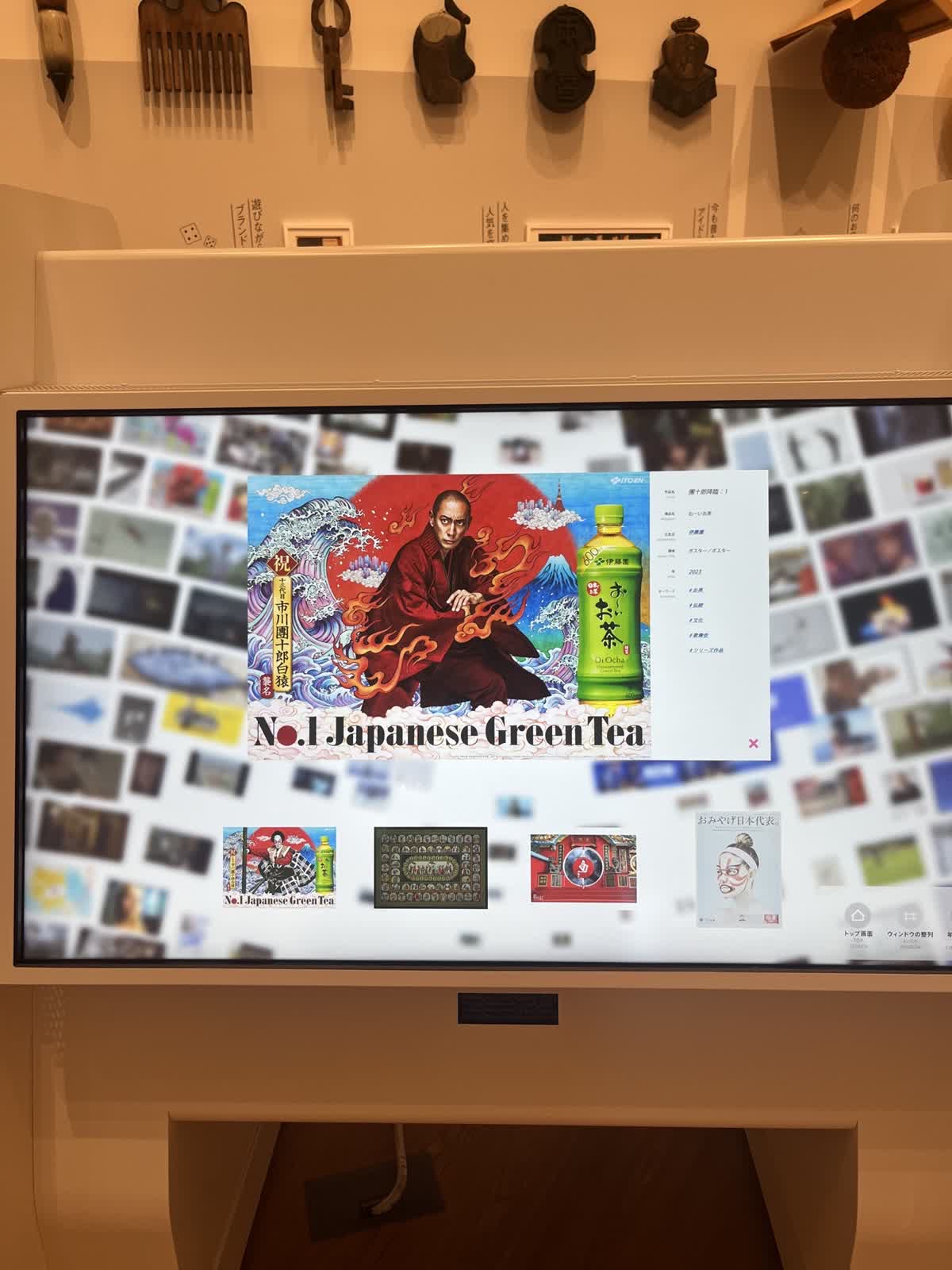
Ad for Oi Ocha, a famous green tea brand in Japan, featured on one of the museum’s collection tables.
These features included in the building not only make the museum easy for visitors to follow along the history of ads but allow visitors to examine different social and emotional aspects included in the art of marketing. One mantra that reflects this notion in the Ad Museum Tokyo Guidebook: “Ads can be more than just ads.”

By Gabby and Zach
Today we continued our theme of focusing on the four commodities: Textiles, Sugar, Tea, and medicine, with the chosen commodity of the day being textiles. We started the day with a visit to one of the fast fashion giant-Uniqlo flagship stores in Ueno,Tokyo. Then we moved to Nishiguchi Kutushita Tokyo, specializing in quality socks. Lastly, we ended our day at the Maruwa Textile headquarters where we received an informational tour and history of the company, which detailed their works and their values. Each of these visits offered a unique perspective into how textiles as a commodity play a role in the Japanese fashion industry today.
Our first visit, Uniqlo, embodies the “fast fashion” trend that can be seen in the textile industry and the greater fashion landscape today. Fast fashion refers to low cost clothing collections based on high-cost fashion brands. Considering this, walking into the Uniqlo store a couple of things caught my eye. Firstly, I noticed that unlike a lot of popular brands Uniqlo doesn’t rely on flashy logos or brand recognition to sell their products. Secondly, I noticed the premium quality of the clothing at a reasonable price; according to the website the high quality to price ratio is achieved by having direct-to-consumer retailing and fabric sourcing. The company website states that they negotiate directly with suppliers to secure long term deals for “superior materials” such as Supima® cotton, merino wool and premium linen.
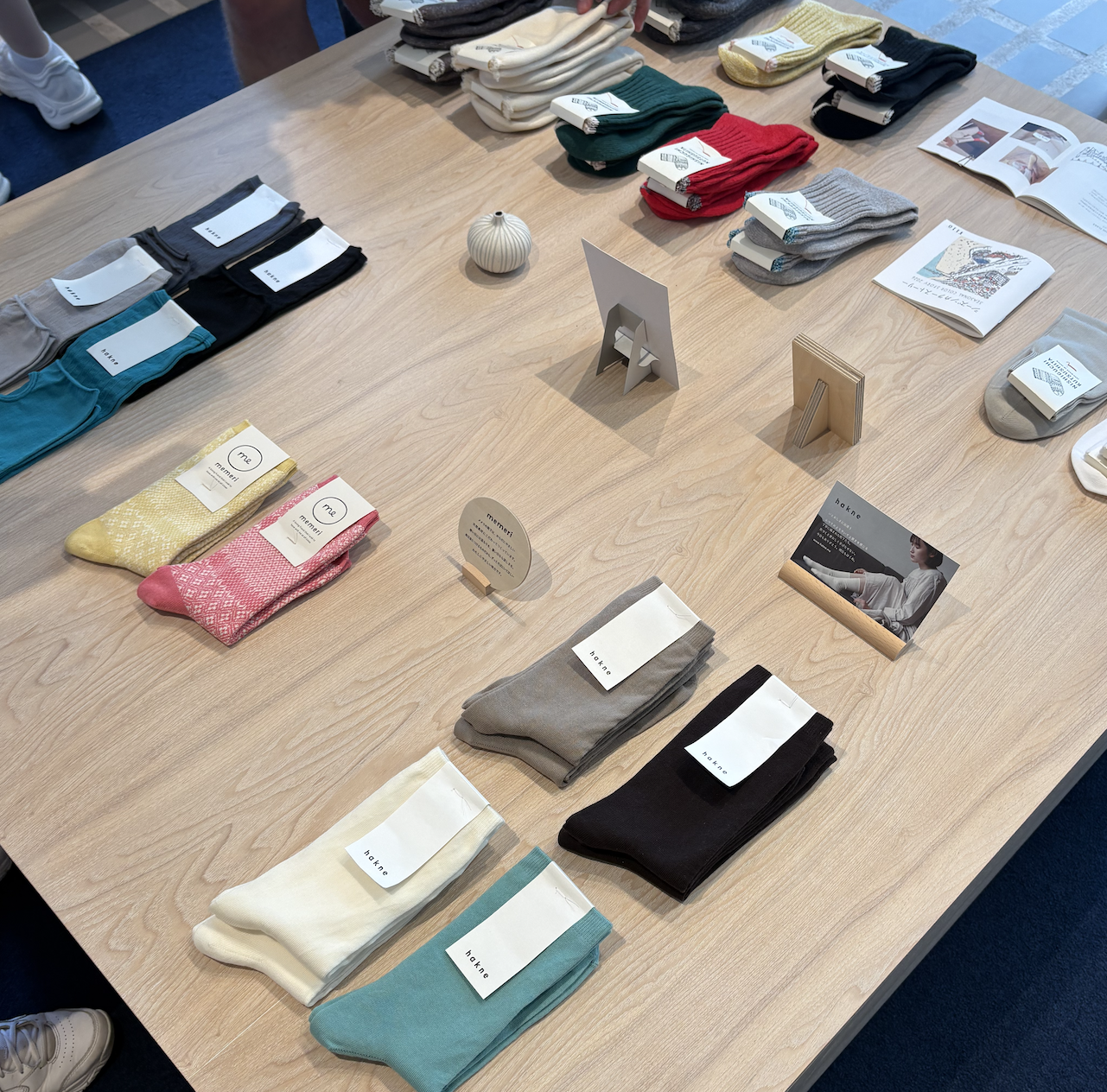
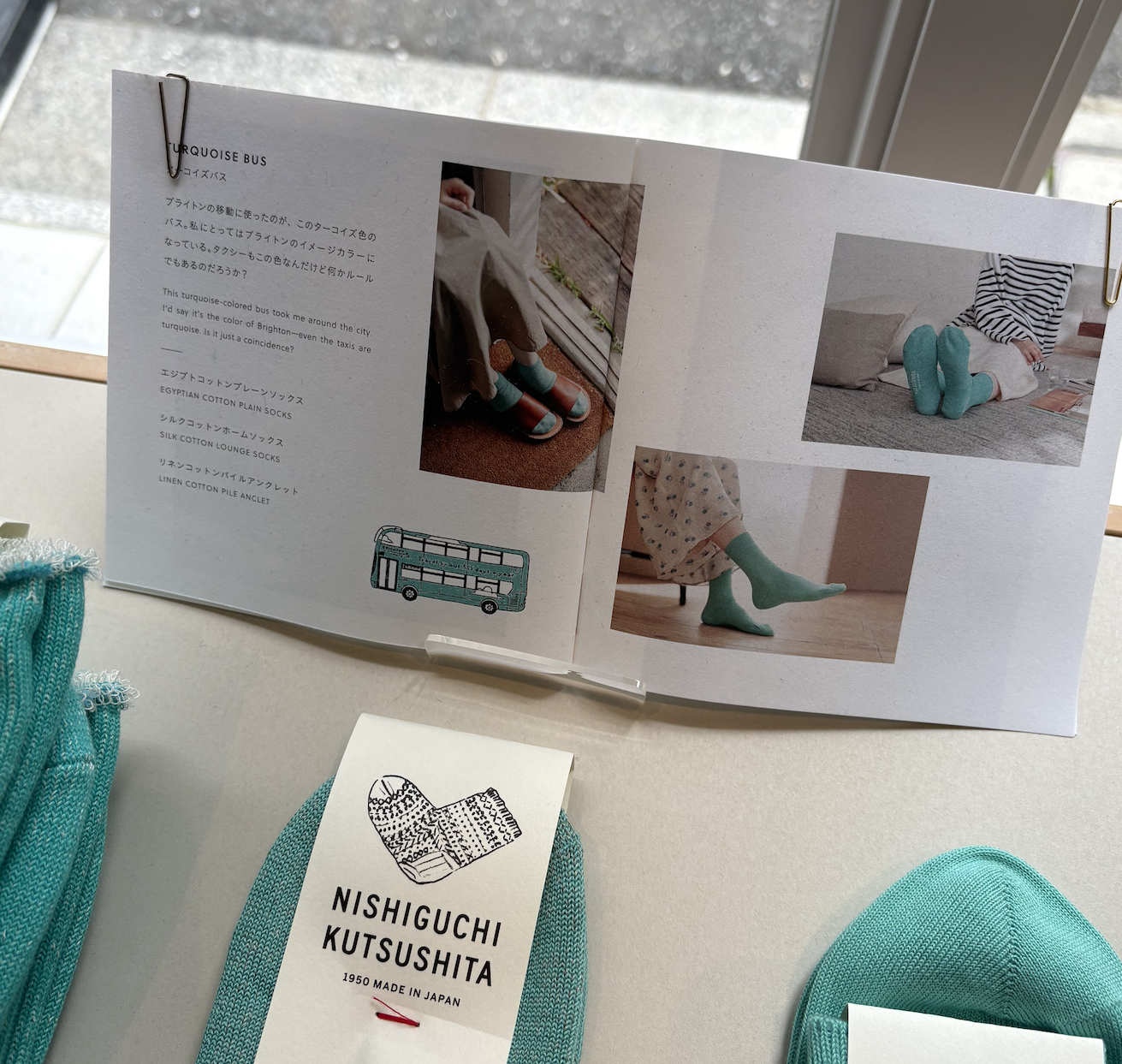
Continuing with the theme of textiles, our next stop was to Nishiguchi Kutsushita Tokyo, a small store that specializes in making a wide variety of high quality socks at a reasonable price per the quality. In opposition to Uniqlo this shop is not fast fashion but instead it is a local company that focuses on the consumer’s needs instead of the world’s trends. The socks ranged from thick woolen socks perfect for winter to breathable linen socks with spacing for individual toes to keep you as cool as possible during the summer months. We also noticed there was intention behind the specific colors used for production, which were created with the colors of the seasons. A practice we saw was used in the Edo Tokyo time period where kimono had specific patterns and colors depending on the season. For example, the memeri colorway was specifically released to commemorate the spring of 2026 in reference to the elements in nature.
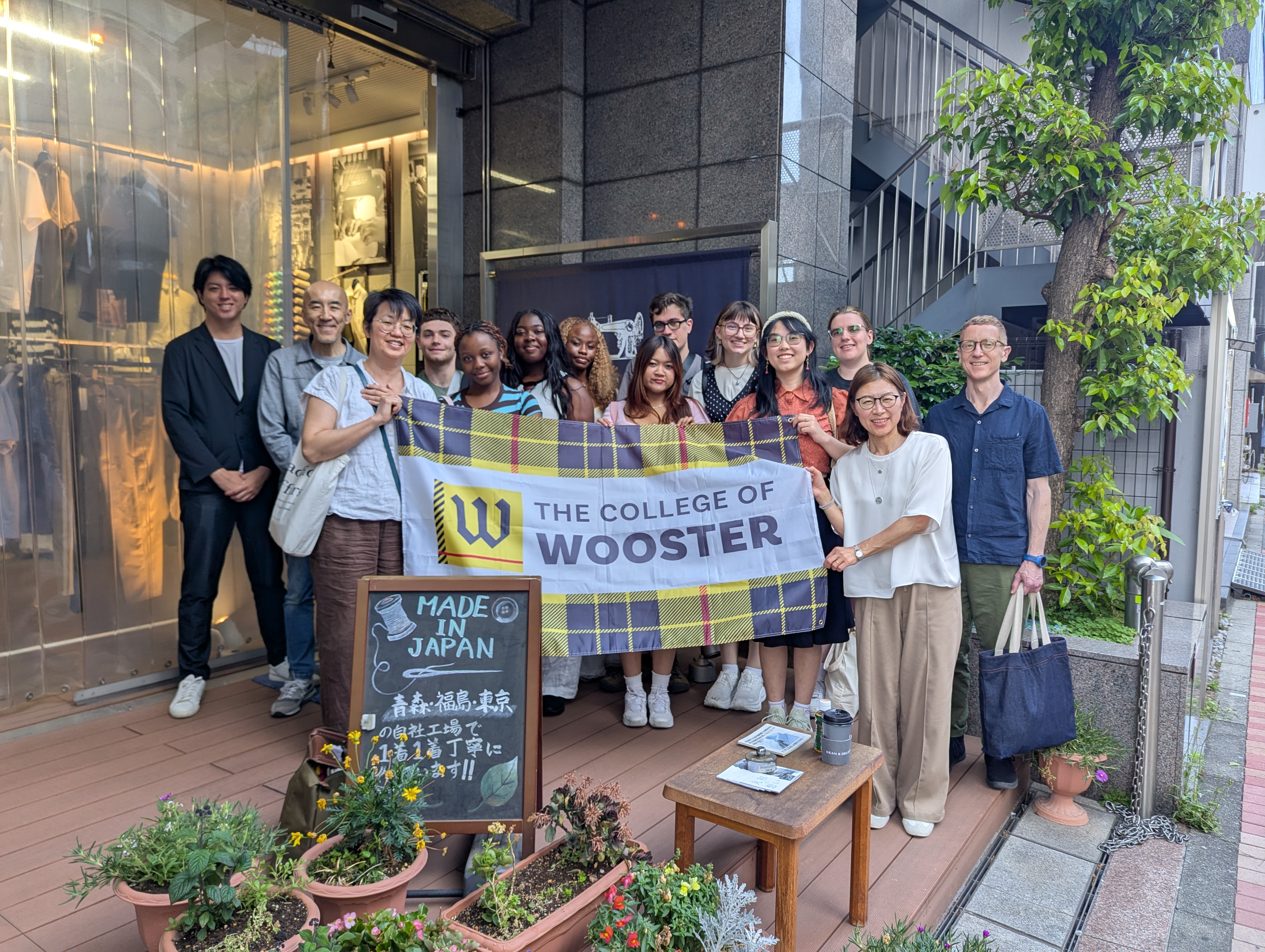
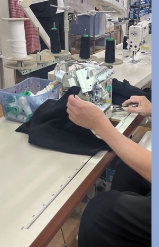
After this, we entered the 70-year-old business. Starting in 1956, Maruwa Textile is one of the only clothing production companies in Japan, with a staggering 1.5% of companies in Japan producing clothing for the country. Despite Uniqlo’s good quality clothing and despite being fast fashion, the negative effect of globalization is that production in factories outside of Japan is quickly reducing the price and production of clothing within Japan. This is why the production of clothing by Japanese companies is so low. Due to this, their average worker is about 40 years old, and the smaller market means smaller profits, meaning that other jobs would be more attractive to the average worker.
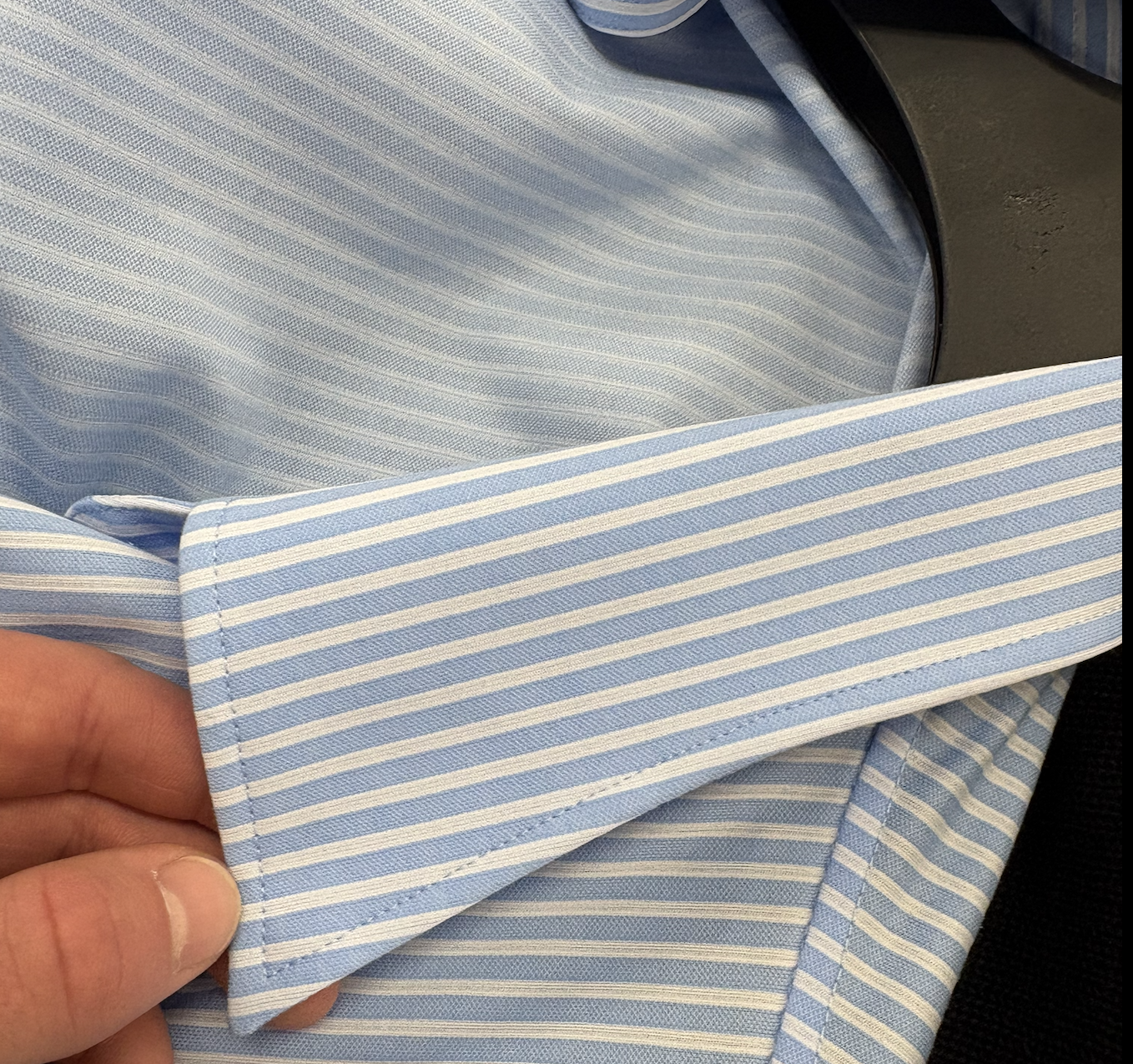
What was fascinating about this company was their sheer dedication to the craft. To this point, they sought out Mr. Nakazawa Sensei, who was fascinated with human skin and wanted to make prints and fabrics that mimic human skin so that people would not feel uncomfortable in the clothing they wear. Because if it feels like skin, it would be more comfortable. So he ventured into Forensic Dermatology, dissecting human skin in the pursuit of understanding skin and the human body for our comfort. His work helped the company to make its own products to combat its declining production industry. They stick to a production niche so they don’t have to experience what fast fashion industries have to do, which is to lower the price of their goods because there are too many clothes in storage. Instead, they have a production camp, which allows them to maintain both their price and the valuation of the labor put into it.
In their dedication to reviving their shrinking industry, they created the Tokyo Knit Initiative; an alliance with other companies to let people know Tokyo is the center for clothing production in Japan, with currently 30 members who all create high-quality products. As well as creating the Value Creation Laboratory, to increase interest in the fashion industry and sewing production jobs through incubation and talent development centers.
A common theme displayed among the textile companies was their dedication to quality, comfort, and prioritizing the customer’s experience of their product. Profit is important of course, but considering our other visit to the Meiji Shrine and learning about the core of their main religions, Shintoism and Buddhism, one can say there is a centralism on the importance of the human being. If safeguarding the environment and one’s body is a sacred temple, then what textiles we put on it and grow for ourselves should prioritize the continued sanctification and comfort of these temples. And from the companies we explored today, there seems to be exactly that understanding.
by Olivia and Caitlyn
With a brief and simplified yet comprehensive understanding of Japan’s history under our belts, it was time for us to really go out into modern-day Japan in search of our commodities. For those who need a quick reminder, our class focuses on the cultural lives of commodities in Japan– specifically on those of medicine, textiles, tea, and last but certainly not least, sugar.
Sugar grew in its popularity rapidly after its reintroduction to Japanese society through Nagasaki, one of the few ports that had contact with foreigners during Japan’s seclusion period in the 16th century. As a result, in its early days in Japan, sugar was considered both a rarity and a luxury. This possibly explains the ways in which sugar is used in Japanese confectionary sweets, as a little bit of sugar went a long way in terms of maintaining the value of a dessert.
Sugar in Japan is unique in many different ways. For one, while in Western cultures we tend to have a love-hate relationship with the sweet-tasting carbohydrate, Japan seems to have a love-love relationship with confectionery goods. Something the reading for today’s class noted is that Japan appears to have a delicate sense of restraint and indulgence, especially in terms of sweet treats. To sum up what was an interesting thirteen page article (which you should read if you have the time, linked here), there is a particular distinction made in Japanese culture within how they specifically show their love for sweetness and sugar.
The indulgence in Japanese citizens in terms of sweets tend to come from the indulgence of the time it takes to admire and enjoy sweet treats. Sugar and sweetness as a whole isn’t necessarily demonized here, and sugar doesn’t receive the same amount of scorn that it does in many Western cultures. In fact, Japan loved sweets so much that they widely adopted the Western holiday tradition of Valentine’s Day in the mid-20th century and even created a reciprocity holiday in the 1970s called White Day where you pay back any gifts you were given to the people who gave you said gifts on Valentine’s Day. Of course, beyond the love of sweets and the joy of sharing them is the financial and capitalistic aspect of why these holidays came to fruition in the first place (both traditions were brought to Japan by– you guessed it– confectionary companies), but beyond that, Japan has always had a relatively healthy relationship to sugar and sweetness.
This is reflected clearly in Japan today. Our assignment for our daily journals was to find an interesting use of sugar and think about the item in terms of our theme of the cultural life of commodities. I was personally fascinated by a large building filled with omiyage (Japanese souvenir shops) near Shibuya crossing and the ways in which Japanese locals interacted with the sweets. While I don’t have much of a sweet-tooth myself, I could see the struggle of some of the people I was with as they were surrounded by the tantalizing view of rows upon rows of sugary goodness. You can walk the streets of Japan and very easily find many different kinds of treats to indulge in, but you will notice the time and care that Japanese citizens will take in these shops. They ask questions to the shopkeepers about the distinct flavor notes of different pieces of chocolate, take their time in examining the 1:1 scale food replicas on display, or sometimes even just stand and take a deep breath to ground themselves in the aroma of buttered bread and sticky syrups.
Other students made interesting observations in comparing notoriously sugary items in Japan to items from America. One observation that stood out to me personally was that two students made similar observations about carbonated sodas; while we both use high fructose corn syrup in order to help create the iconic sweet Coca Cola flavor (although in Japan there is a mix of natural cane sugar with HFCS), carbonated drinks in Japan tend to have a higher amount of acidity in their drinks, whether it be from phosphoric, carbonic, or citric acid. The higher counts of acid in Japanese drinks offers a richer and tangier flavor that emphasizes the fizz of the carbonated drink. Additionally, one student found that after letting a bottle of coke stand overnight, there was a clear difference in the taste profile of coke here as opposed to in America; there is a higher ratio of syrup to water here that made the drink both thicker and sweeter after standing overnight.
I think that finding sweetness in Japan involves more than simply purchasing a sugary good. Japan has a very unique relationship to sugar that doesn’t exist in America, and there is a lot of merit to examining the ways in which that relationship is portrayed in everyday life. At the end of the day, whether or not you purchase an omiyage-ya (souvenir shop gift), prefer Japanese sodas to American ones, or indulge in the variety of unique flavors offered almost only in Japan, there is a certain sweetness to exploring a new culture and the ways they utilize a common raw, natural ingredient. Engaging with practices of restraint over indulgence in order to help us reconstruct our tumultuous relationship with sugar so that we can lead sugary lives free of guilt sounds pretty sweet to me.
(photos coming later— I am lame and lack storage, sorry everyone!!)
By: Nilay Ernst and Jessica Latham
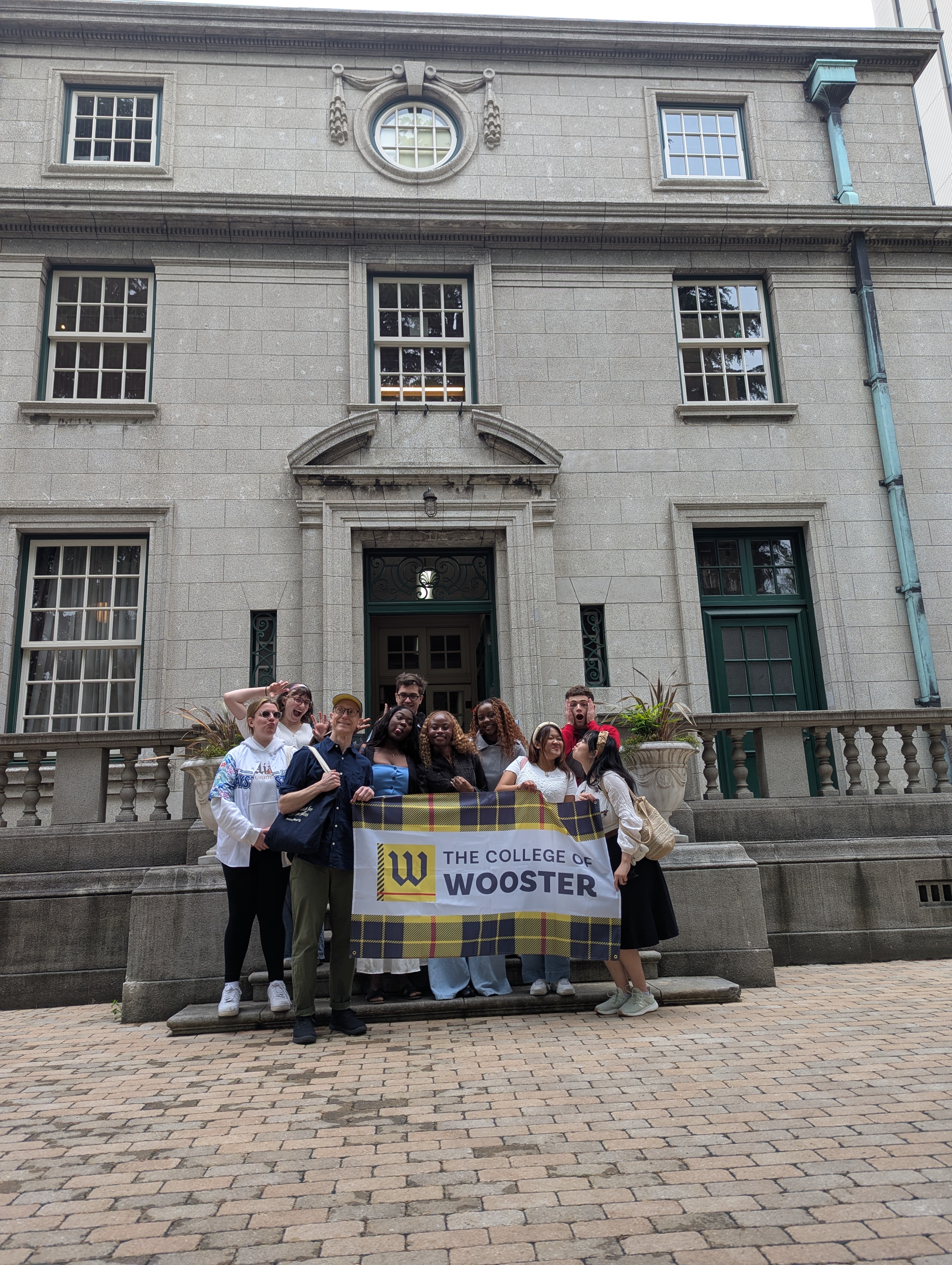
The Former British Consulate General in Yokohama today stands as a museum to the public, displaying the city’s history after opening ports to international trade. While originally having closed ports since the early 17th century, under the samurai sakoku (“closed country”) policy, Japan later opened its ports under the treaties made in 1854 and 1858 with the arrival U.S. naval squadrons.
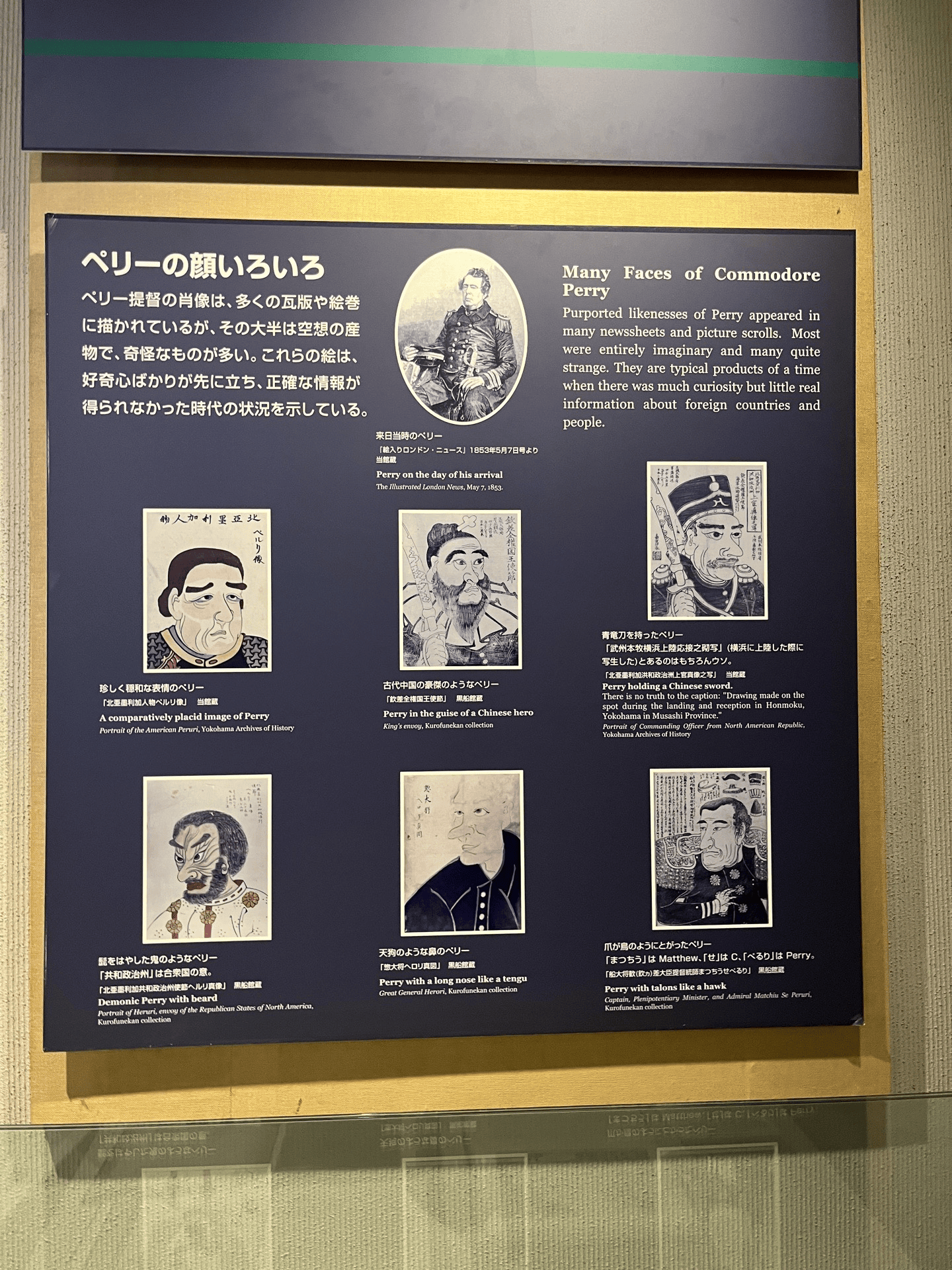
The “Many Faces of Commodore Perry” display show the effect of having closed ports on people’s knowledge of foreign people. These portrayals of U.S. Commodore (leader of the U.S. naval expedition) show the different perspectives Japanese artists imagined foreigners to resemble.
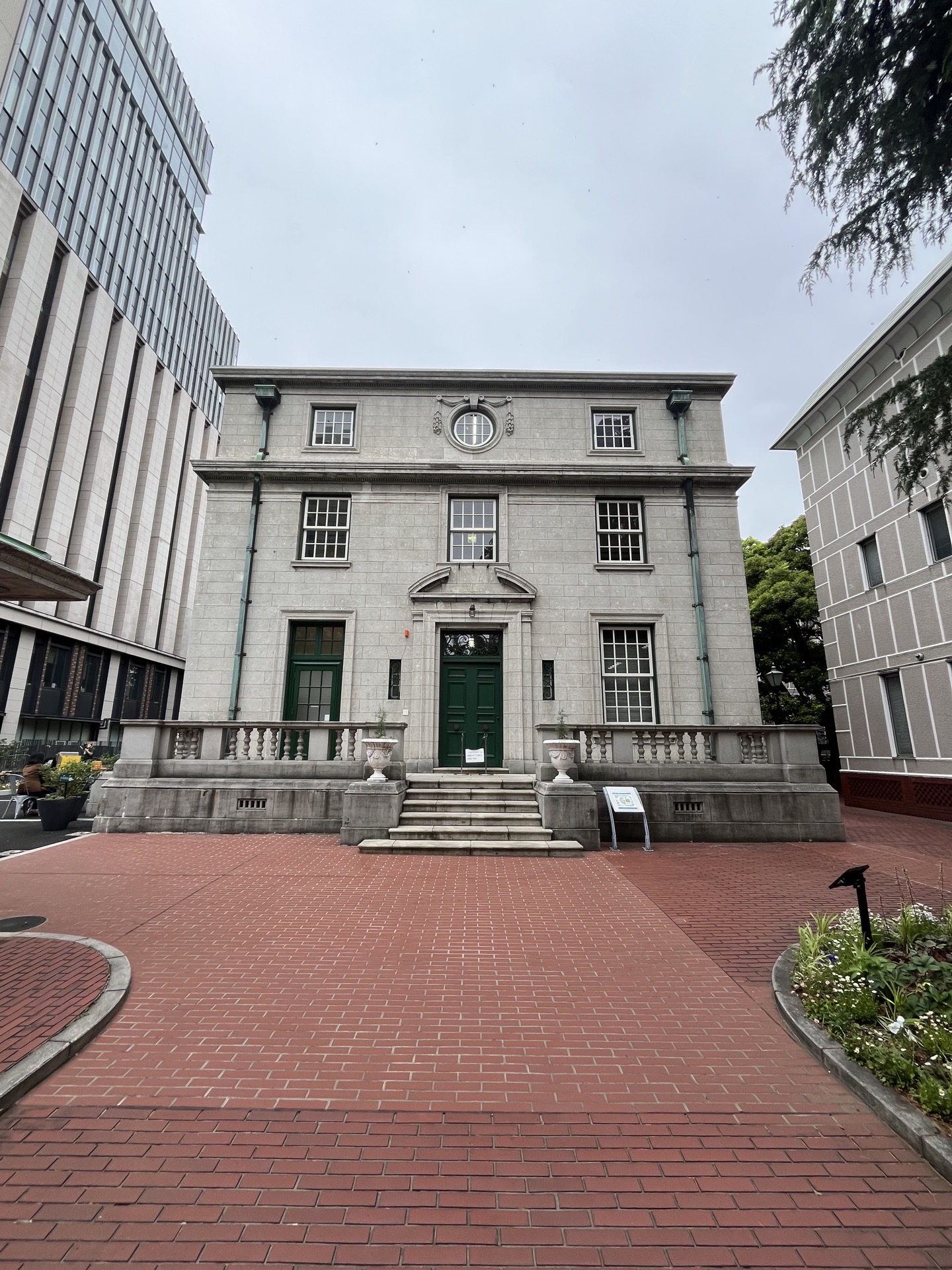
While the building had to be rebuilt in 1931 due to the Great Kanto Earthquake and Fire of 1923, the building still holds the western architecture that many buildings in Yokohama display due to the introduction of Western culture into Japan through newly opened borders. Even in the main courtyard, the Tabunoki tree’s roots survived the Great Kanto Earthquake and Fire of 1923, allowing the tree to regrow and remain where it is today.
The museum contains products throughout the periods of Yokohama development, displaying the influence of modernization, introduction of international relations, and the development of Yokohama markets.
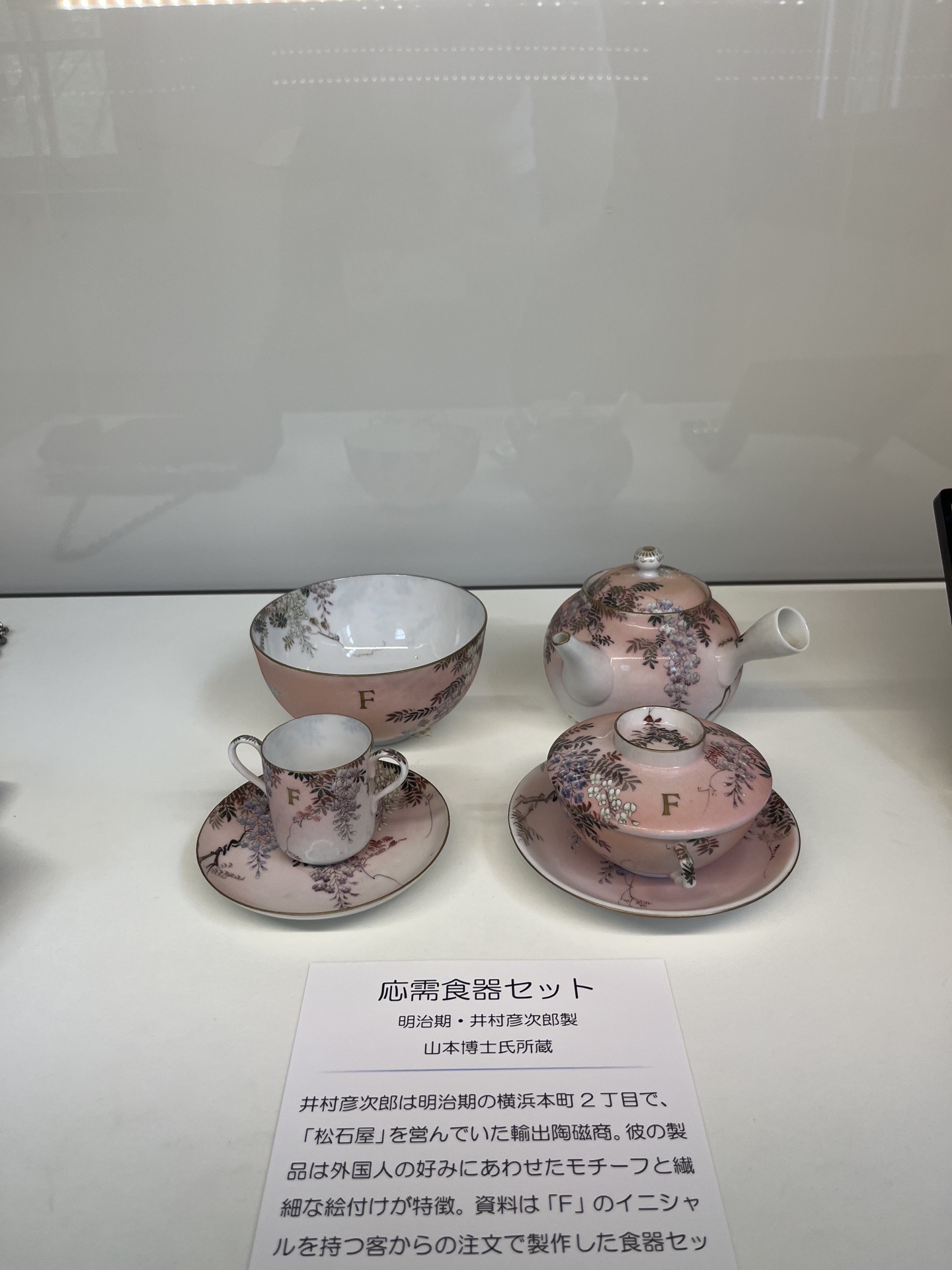
This ceramic set was made by artist Hikojiro Imura, who during the Meiji period, would export ceramics that included artwork popular to Western consumers. The customer, who went by the initial “F”, was included by the artist to personalize the products.
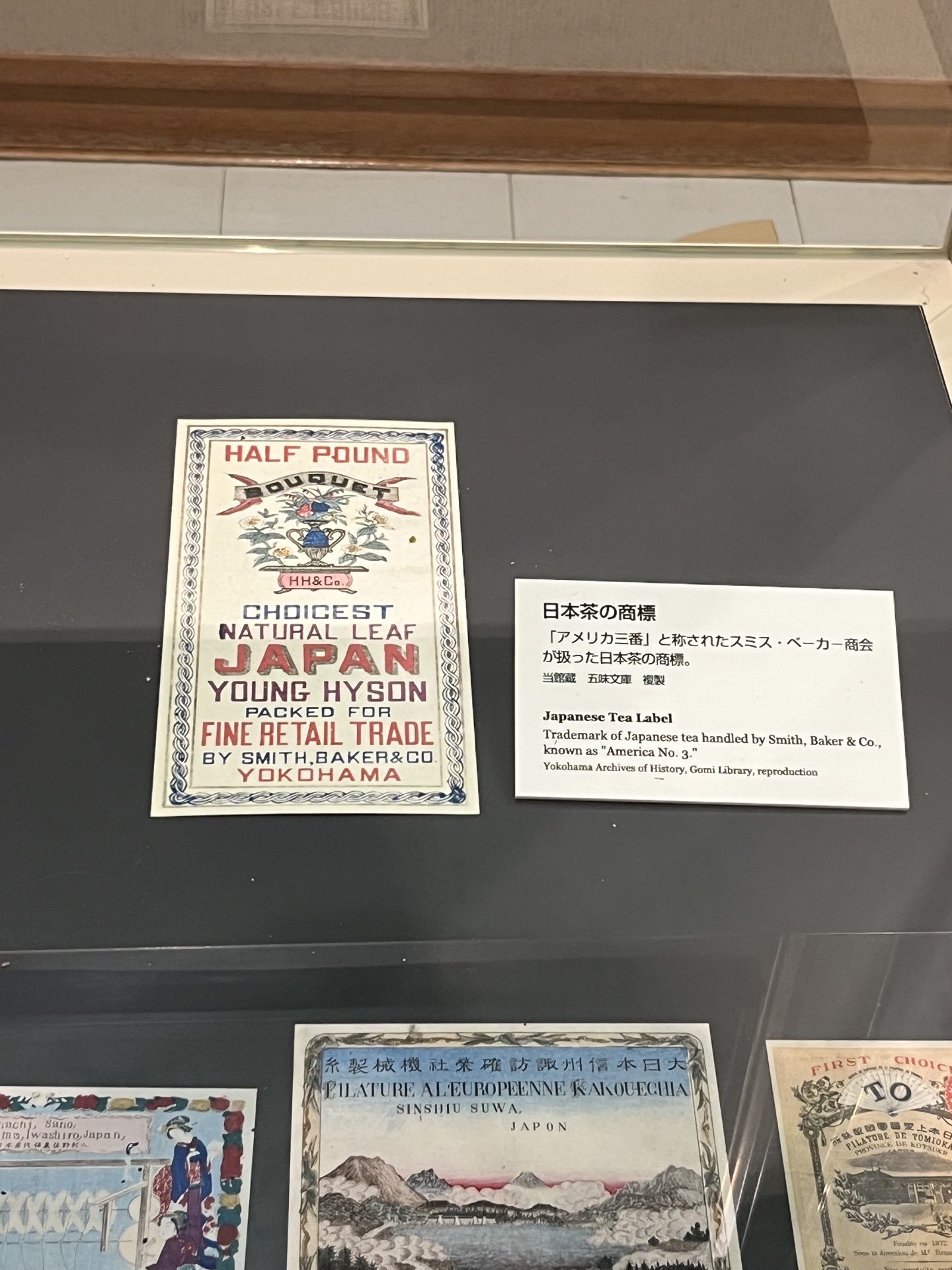
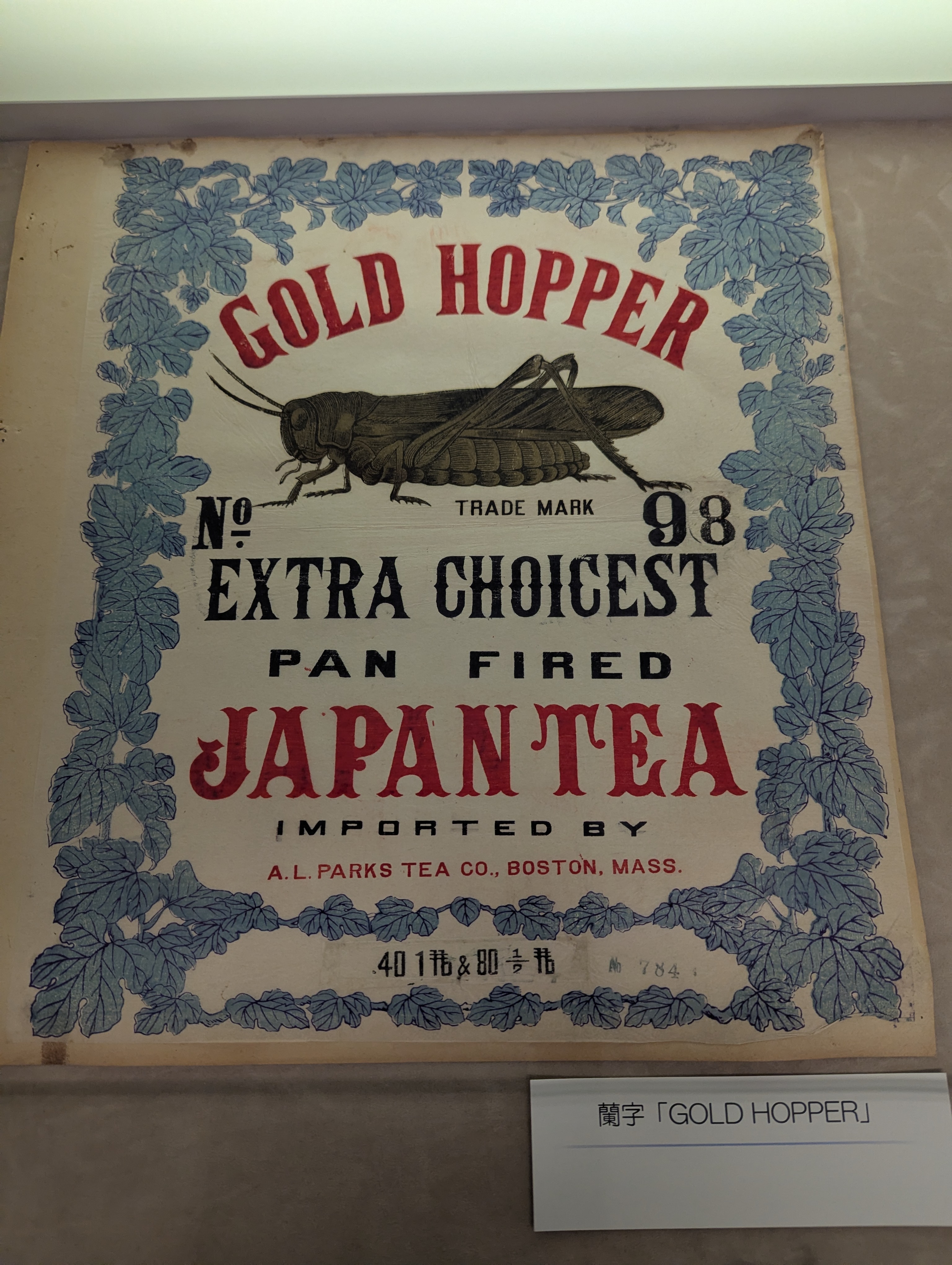
This Japanese Tea Label shows the iconography used to promote the selling of tea to international audiences.
When we toured Chinatown, it was interesting to see how Chinese culture had made it from China to the city of Yokohama. Lots of aspects of Chinese culture have made it over from China, such as some of the signs on the street that had both Japanese and Chinese characters. On the streets themselves, it was interesting to see how the lamp posts that were also present were Chinese. We picked up on the fact that people in the area were speaking Japanese, but were speaking it in a more Chinese manner. Other cultural aspects that had made it from China to Yokohama were food, clothing, and accessories, as it was common to find food stores that sold exclusively traditional Chinese food. They also had stores that sold Chinese clothing as well as Daoist religious accessories. Looking at Chinatowns in the United States, there are some similarities despite the fact that Chinatowns in the United States were significantly larger than the one in Yokohama. For one thing, in both cases, signs tend to be in both Chinese and the language of the country they are located in, so in this instance, both Japanese and English. This shows how Chinese culture had merged with the culture of the country it came to. Another aspect that made it from Chinatown to the host country was the architecture. At the end of the street, there was a massive building done with Chinese architectural features. One of the main aspects of Chinese culture that had migrated to other countries was that of religion.
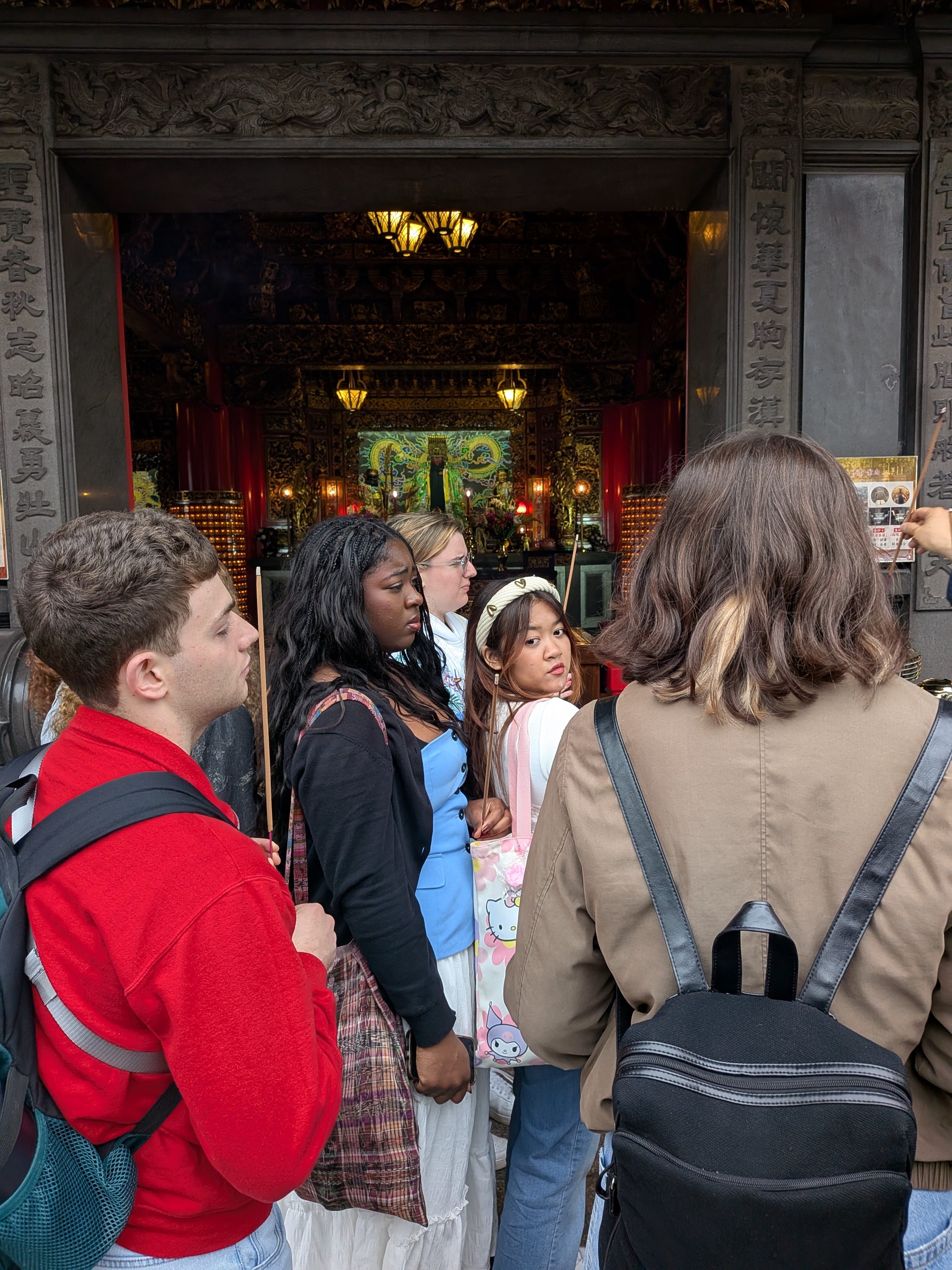
When doing the reading for today, we saw how Yokohama was a major city where foreign countries were allowed to interact with Japan during the Edo period. As a result of Yokohama being open to foreign countries, their culture migrated over as well. Because the cities of Nagasaki and Yokohama were open to foreigners, the Chinese religion of Daoism came over to both. We saw this in the case of Yokohama, with Daoist temples being largely present. When we went to the first temple, one of the aspects that struck us first was the burning of incense, as the smell was extremely overwhelming. We burned our own incense, courtesy of Professor Ng. We placed our incense in a specific pot for either health, wealth, or luck on exams. We observed lots of other people doing the same. At one point, there was so much incense being burned that it was hard to breathe. We also heard faint music playing that was Daoist. People were allowed inside the temples on the condition that they were praying to the gods that were present inside. At the entrance of the temples, there were large gates that could be found, such as in the United States at the entrance to Chinatowns. In the case of Yokohama, there were no gates at the entrance of the Chinatown itself. When entering the temple, you had to enter on the right side and leave on the left side. This was done as a sign of respect to the gods.
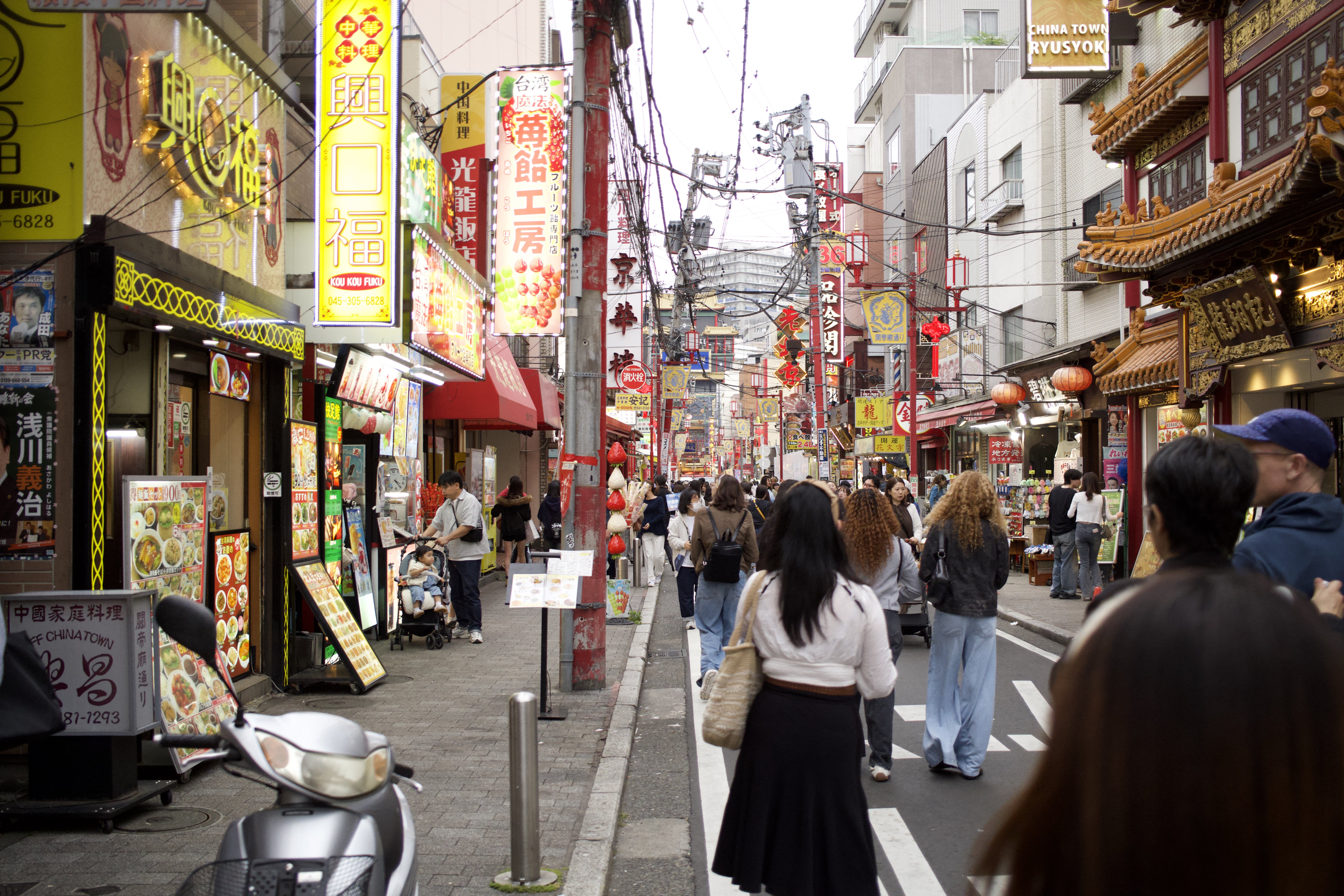
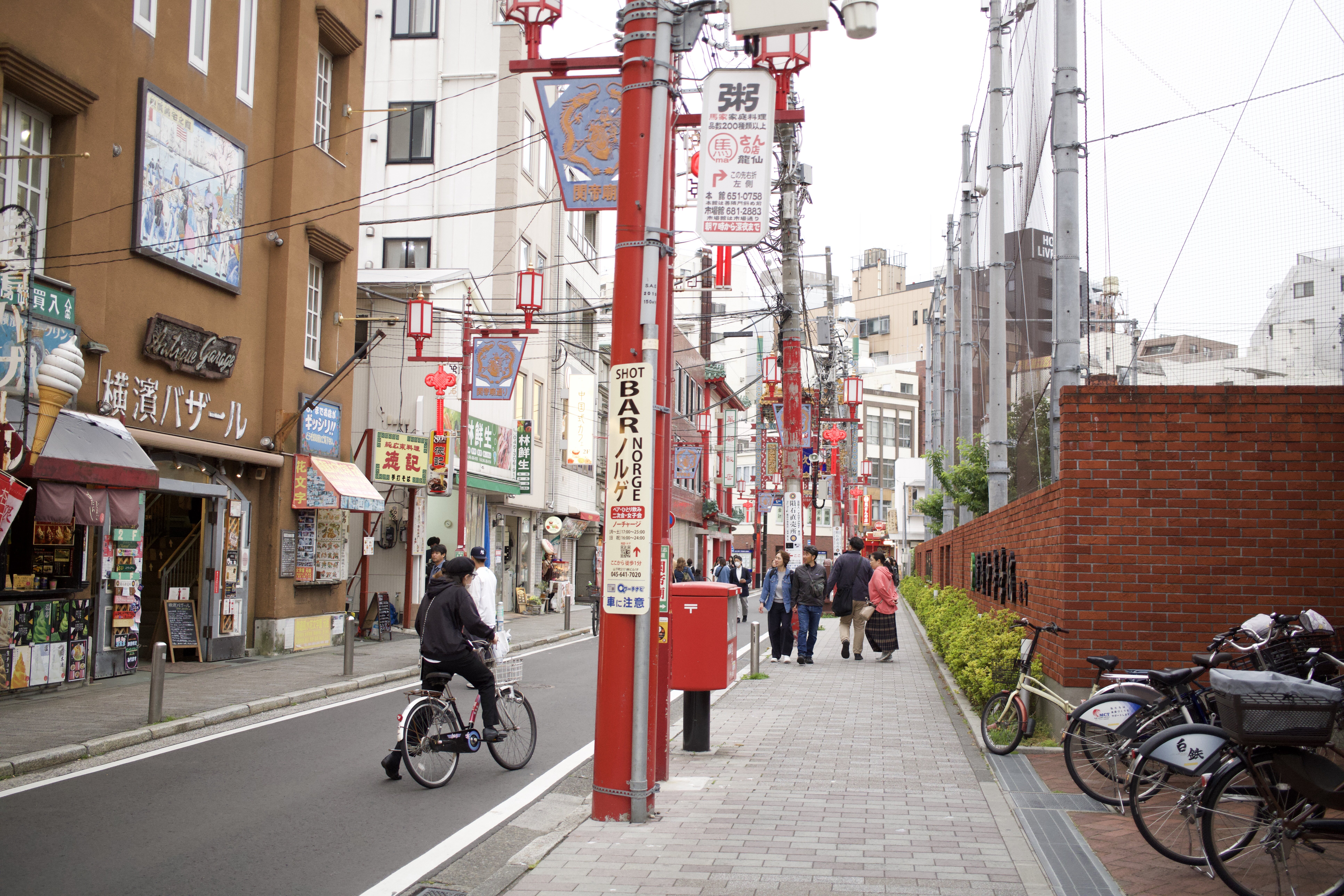
The streets of Chinatown in Yokohama
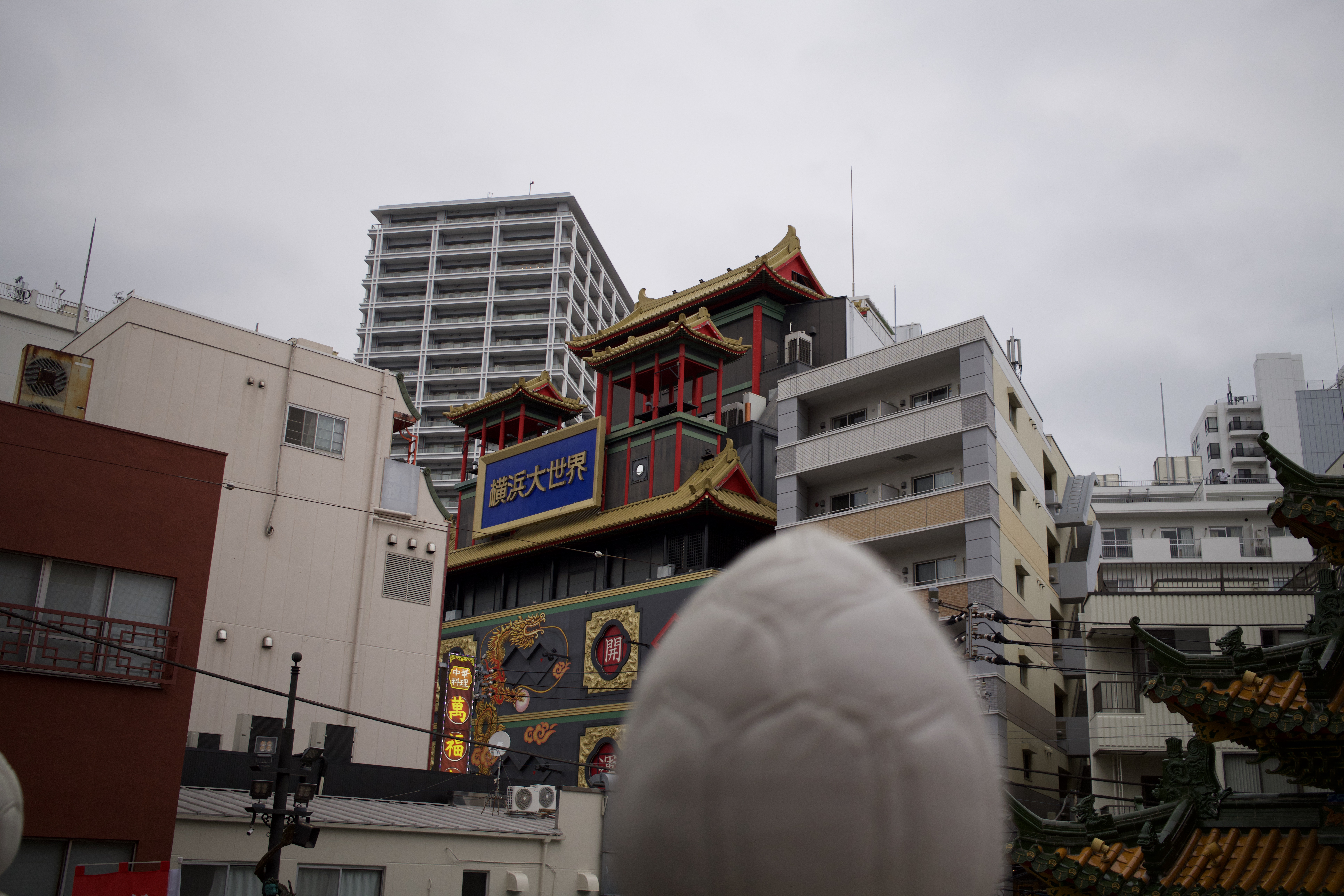
A building in Yokohama with Chinese architectural features
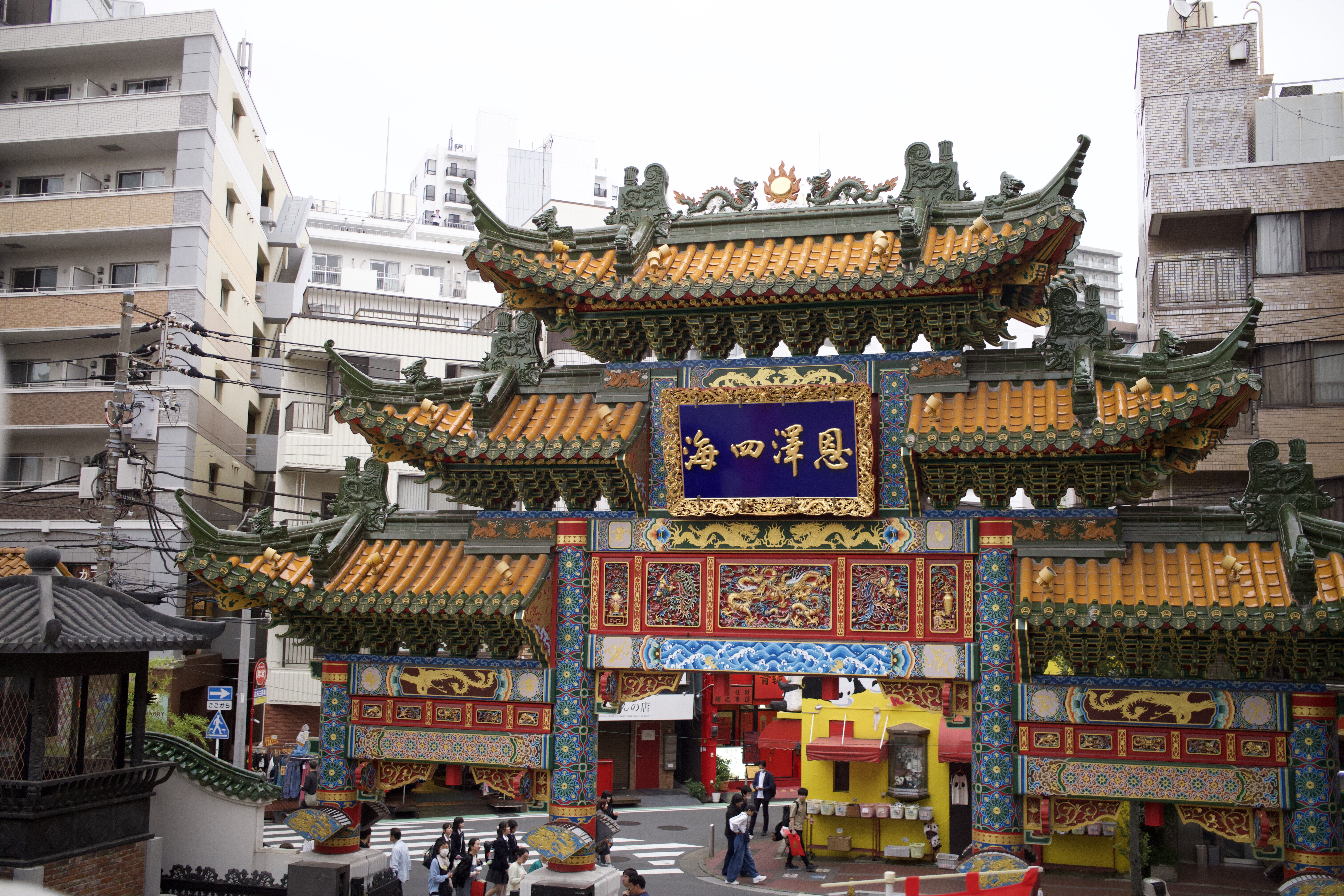
An entrance gate at a Daoist Temple, Yokohama
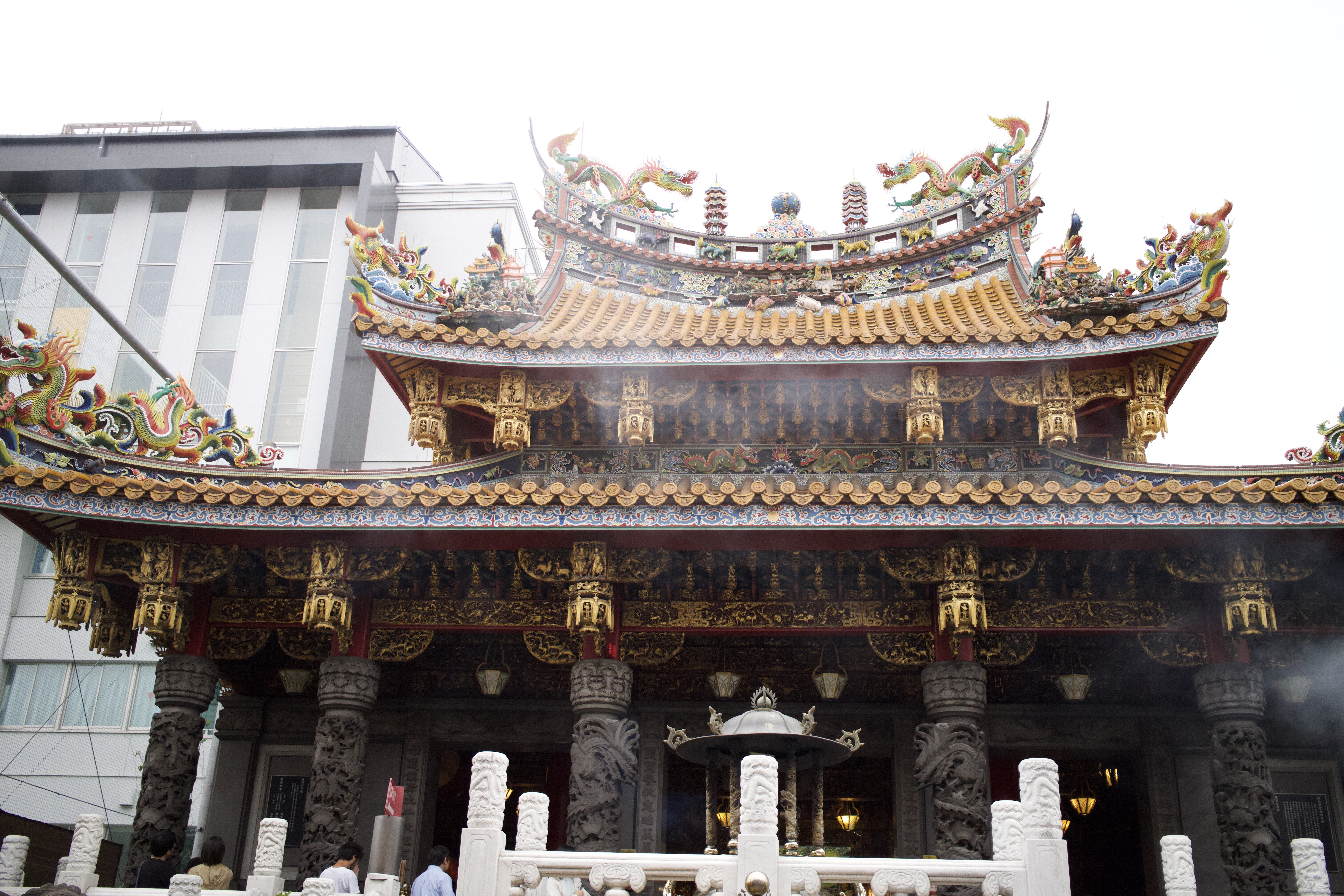
A Daoist temple, with Incense, Yokohama
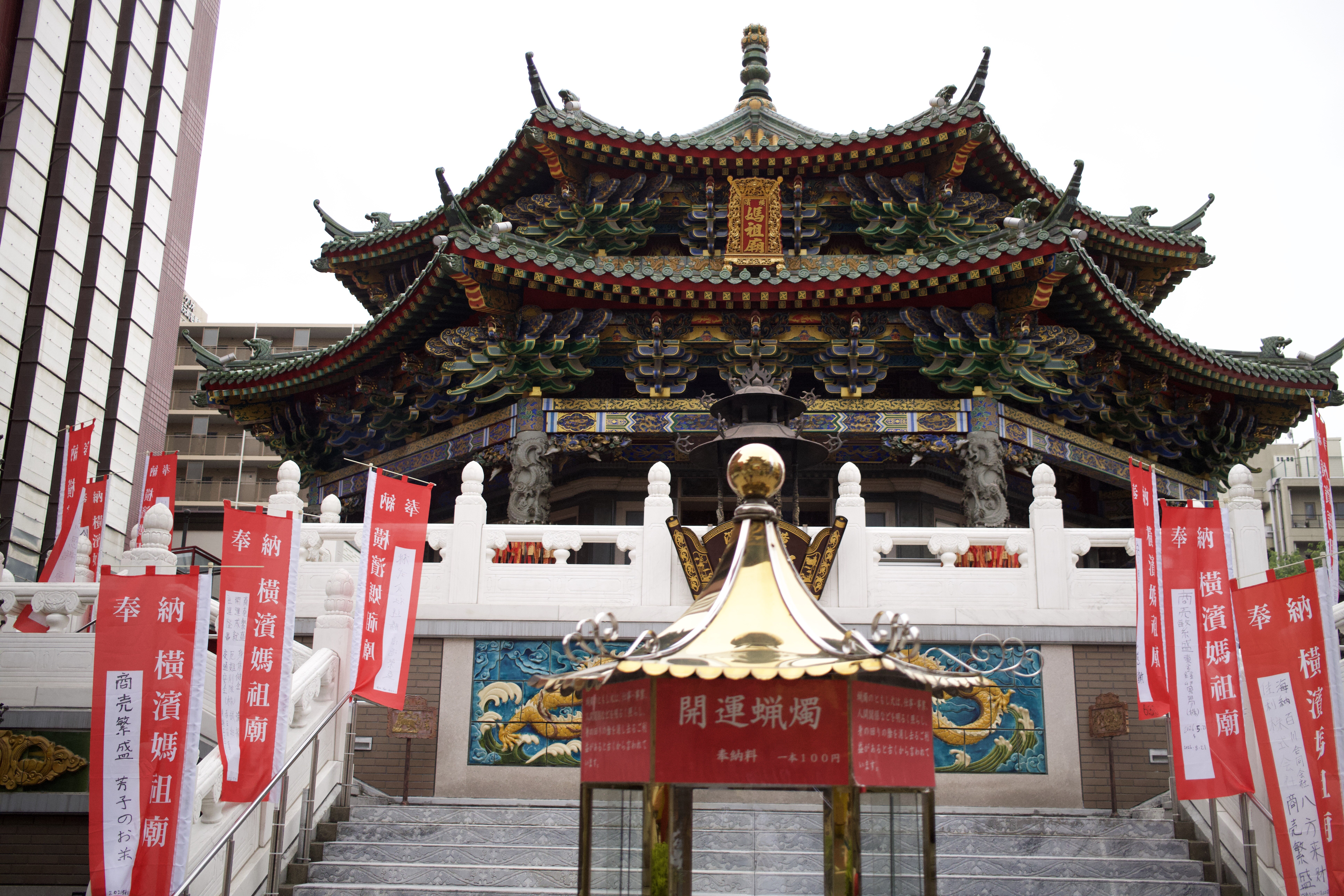
A Daoist Temple, Yokohama
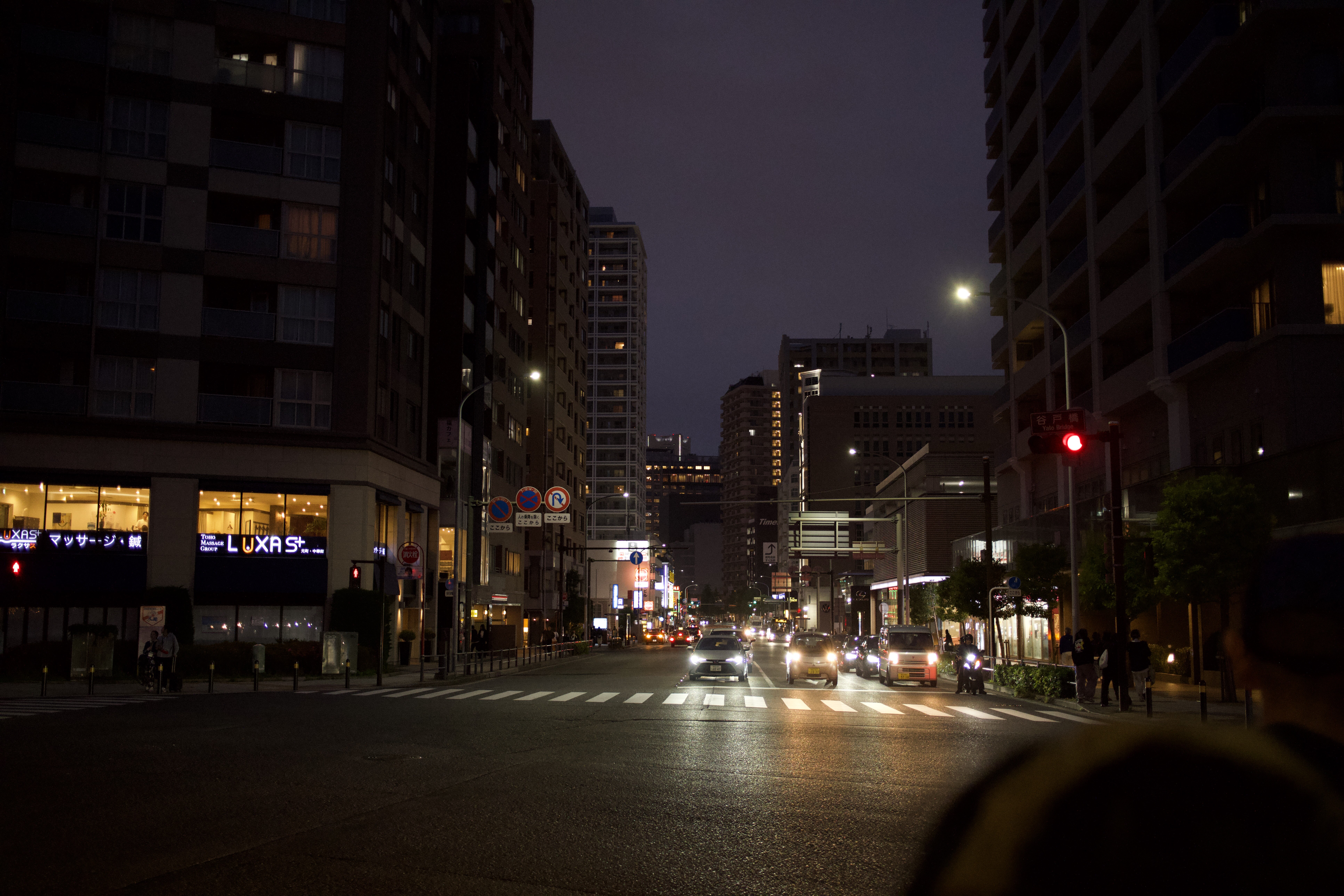
A street at night, Yokohama
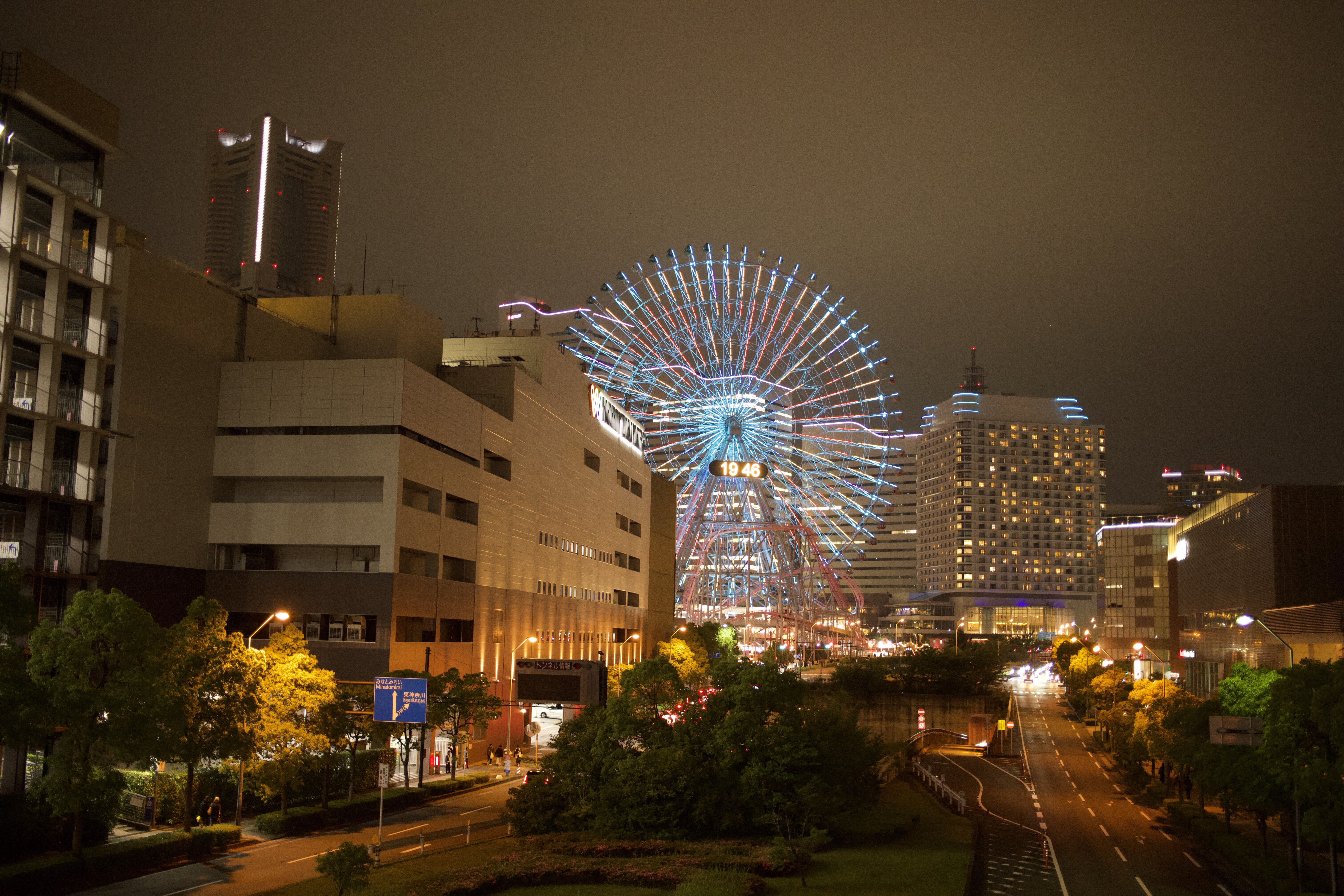
Yokohama at Night

The NYK Hikawamaru at the Yokohama Pier at Night
Purple Kimono.
May 22: Edo Tokyo Museum Day
Akua and Gabby
As a group, we delved deep into the fascinating Edo period by exploring the newly renovated Tokyo Museum, which depicts the period spanning from 1603 to 1868. This period was known for its unprecedented peace due to the hierarchical chain that took warriors off the battlefield and into aristocratic seats of government. The reigning shogun of the period was Tokugawa Yoshimune (who lived as long as his rule), who imposed internal isolation on Japan to avoid war. In spite of this, Tokyo was a thriving city with a bustling culture, and its life was supported by commodities that helped shape the distinct features of the Edo period. As we explored the museum, we discovered 3 commodities that were part of the lives of Edo citizens, such as medicine, textiles, and sugar.
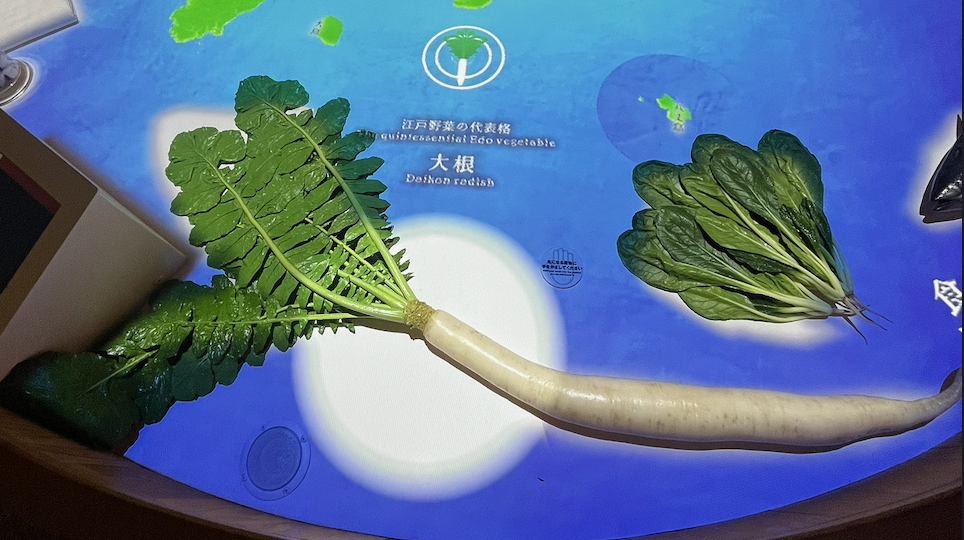
A commodity is a raw material or primary good used to produce other goods (products). In the Edo period, the commodities in medicine were not branded products; they were raw materials that became medicine in their use. During this period, there was one superfood that took on this role, with locals calling it “the doctor of the kitchen” or isho-goroshi; this was known as the daikon radish. It was given this name because it was known to prevent indigestion, respiratory issues (e.g., colds), and disease. Its medicinal properties turned a seemingly “simple” radish into a superfood that works as both nutritional and medicinal, safeguarding the people and adding to the long tenure of peace.
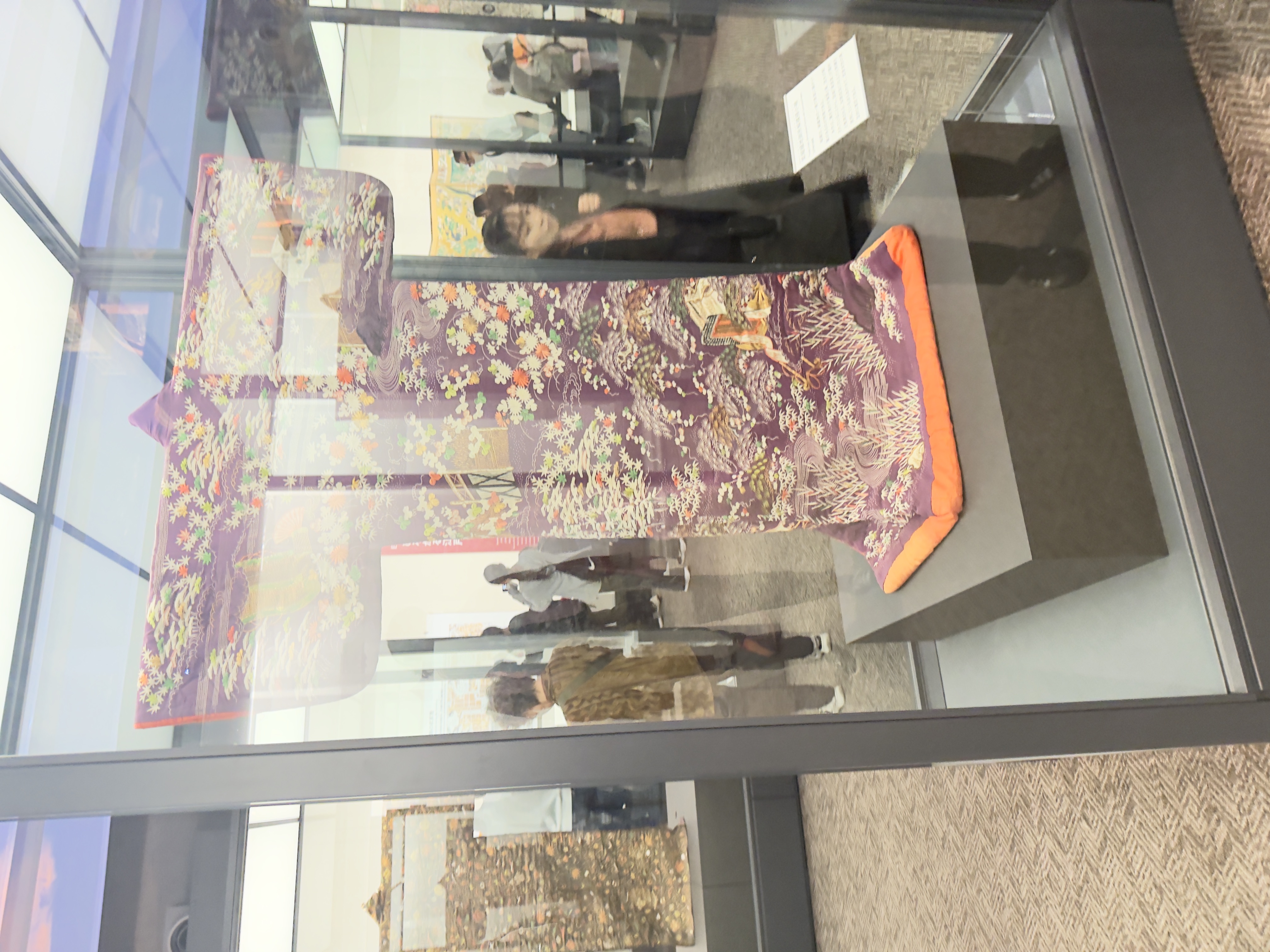
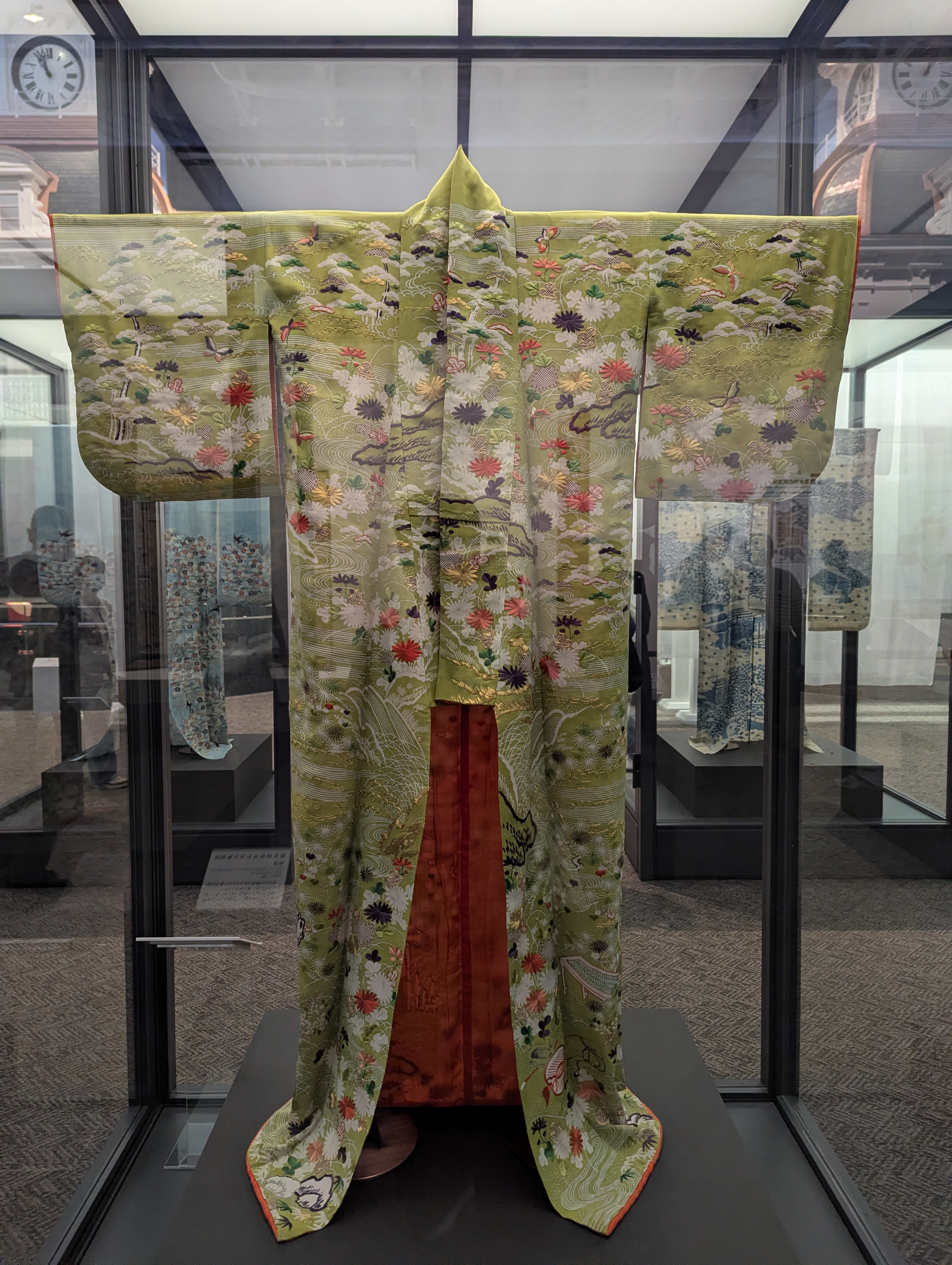
The second commodity we discovered was the use of kimonos as textiles. We saw a section of different silk kimonos from the Edo period. The kimonos did not have much writing next to them, but after doing some research, we found that the purple ‘murasaki’ kimono was originally made from silk. In early Japanese history, the color purple as a dye was a lawfully forbidden color for people of the lower classes because the color represented the imperial family and the high-ranking nobles. However, during the Edo period, the Shogun Tokugawa Yoshimune led the change in policies in agriculture, allowing the cultivation of the murasaki plant (which had purple dye) that became a way for townspeople to be able to wear the purple color. The lower class started wearing silk kimonos with purple accents as they were unable to attain large amounts of the dye; the commodity of purple silk kimonos was only available to the shogunate’s family. Later on, the color was popularized by Kabuki theatre because the characters wore or embraced the purple color as a symbol of defiance.
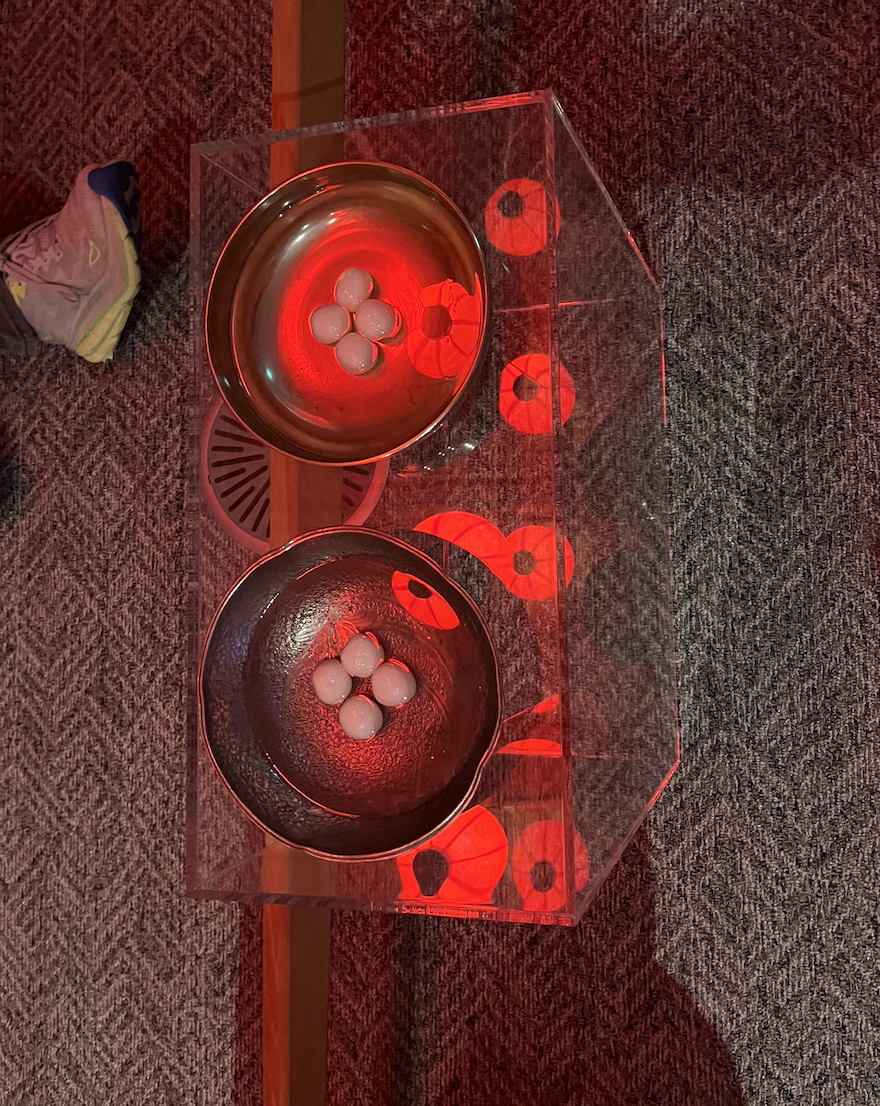
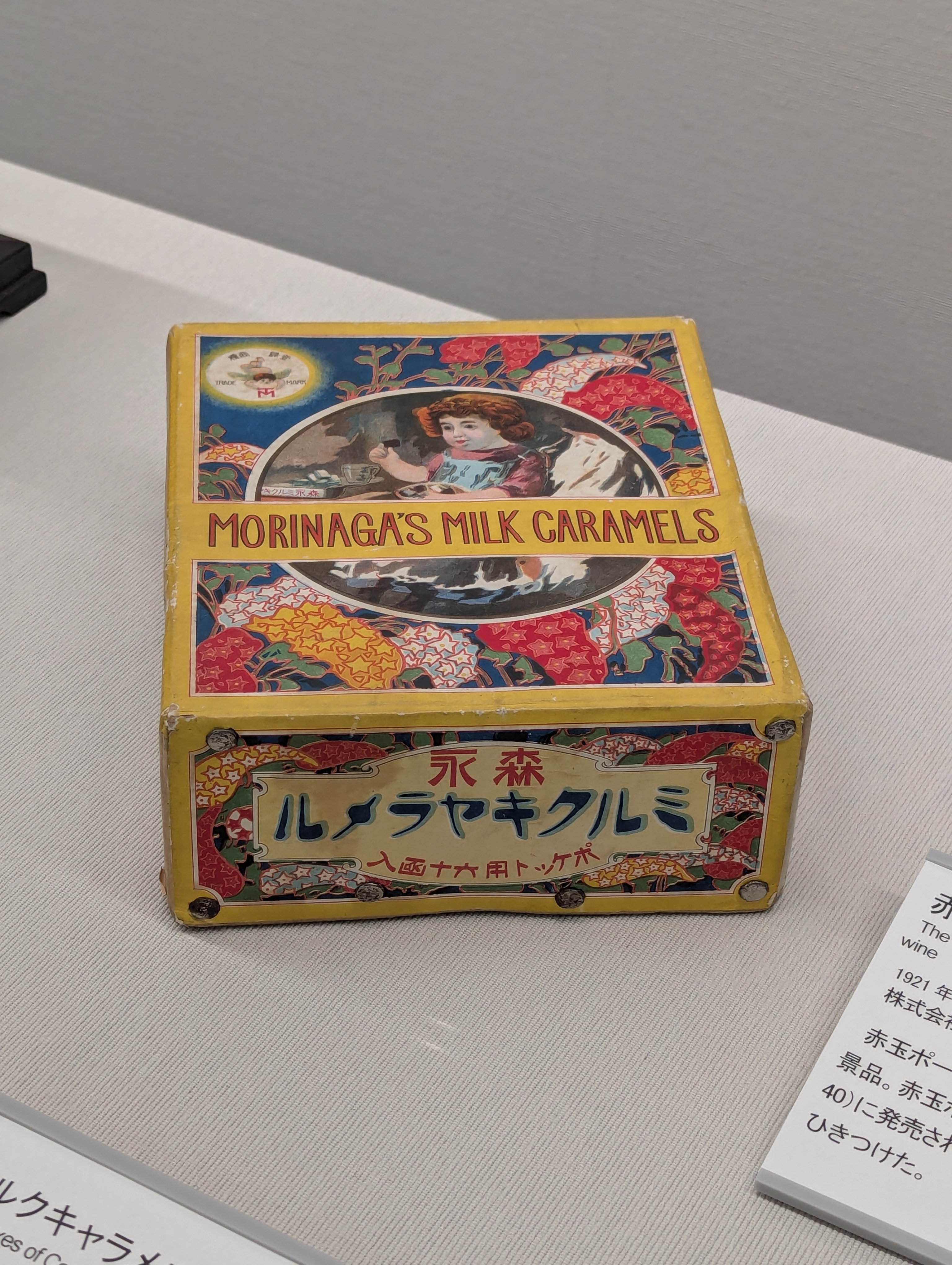
The third commodity that played a defining role in Japan is sugar. This commodity is now known as a cultural marker for the country, which is sugar. What was so fascinating about what is now known as a crucial phenomenon in Japan, sugar in the Edo time period was diluted into cold water with mochi balls floating on it, mainly for the shogun’s family; this also showed how difficult it was to access sugar, which mainly came from trade with the Chinese and the dutch thought he Nagasaki port, making the commodity of sugar a formally exclusive material.
To conclude, commodities play a large role in the lives of people, especially in cities with constant trade. A commodity’s use and popularity hold power; it can be like sugar and purple kimonos that are only accessible to the common few, or it can be like the daikon radish that served a role in medicine, and its gains in popularity only aided the population’s health and safety, regardless of commitment. It plays a significant role, and the functioning of societies and their niches does not go unrecognized.
by Olivia and Farida
Shintoism, the most practiced “religion” in Japan along with Buddhism, fits into the daily life of its citizens almost perfectly. We use the quotation marks around religion tentatively, and ultimately at the preference of most Japanese citizens. Despite the existence of over 80,000 Shinto shrines in all of Japan and around 83 million citizens who participate in its daily rituals, you would be hard pressed to find any Japanese citizens who openly admit to practicing a religion. During our first day in Japan, we had to confront our Western conceptions of religion as we engaged with this core part of Japanese culture.
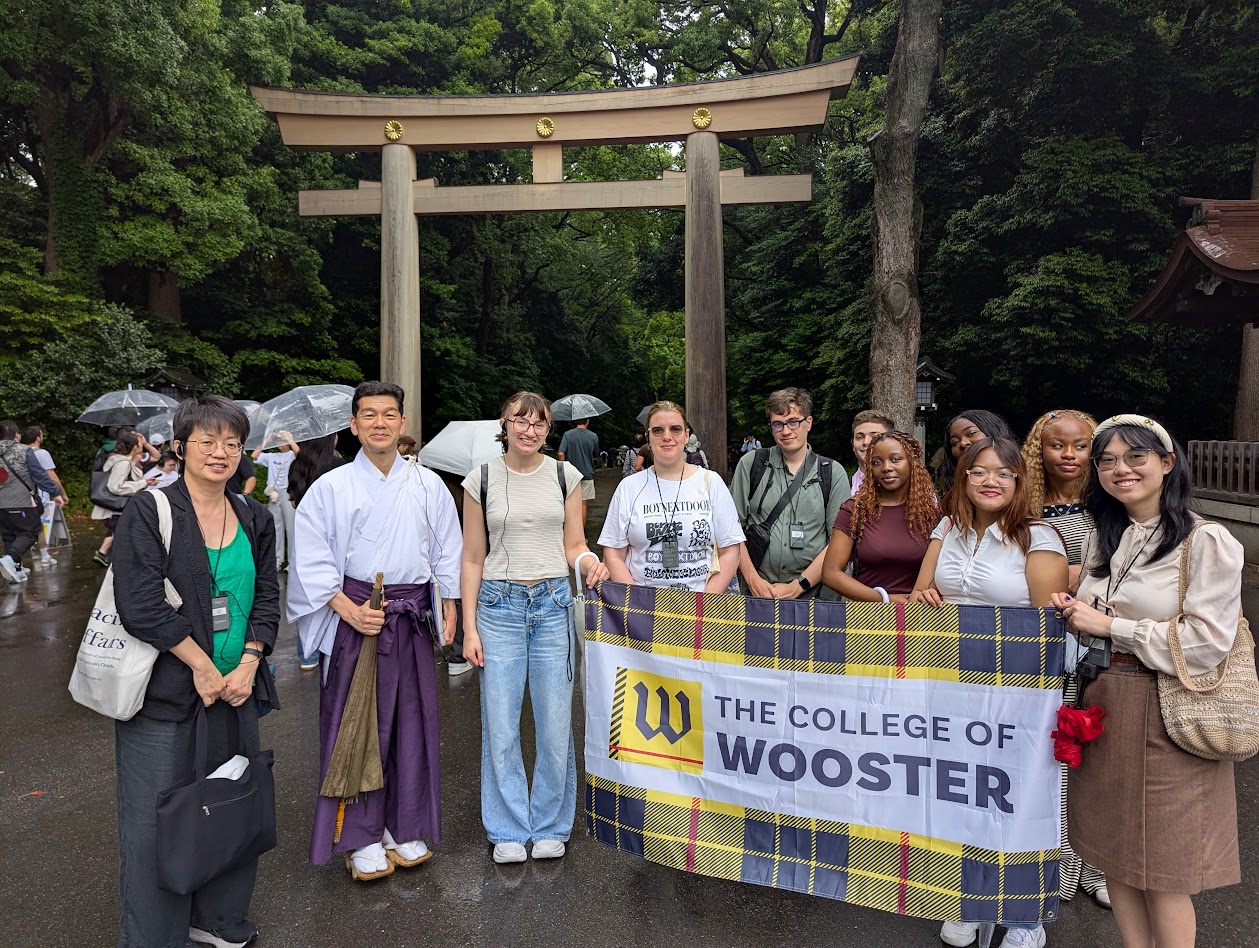
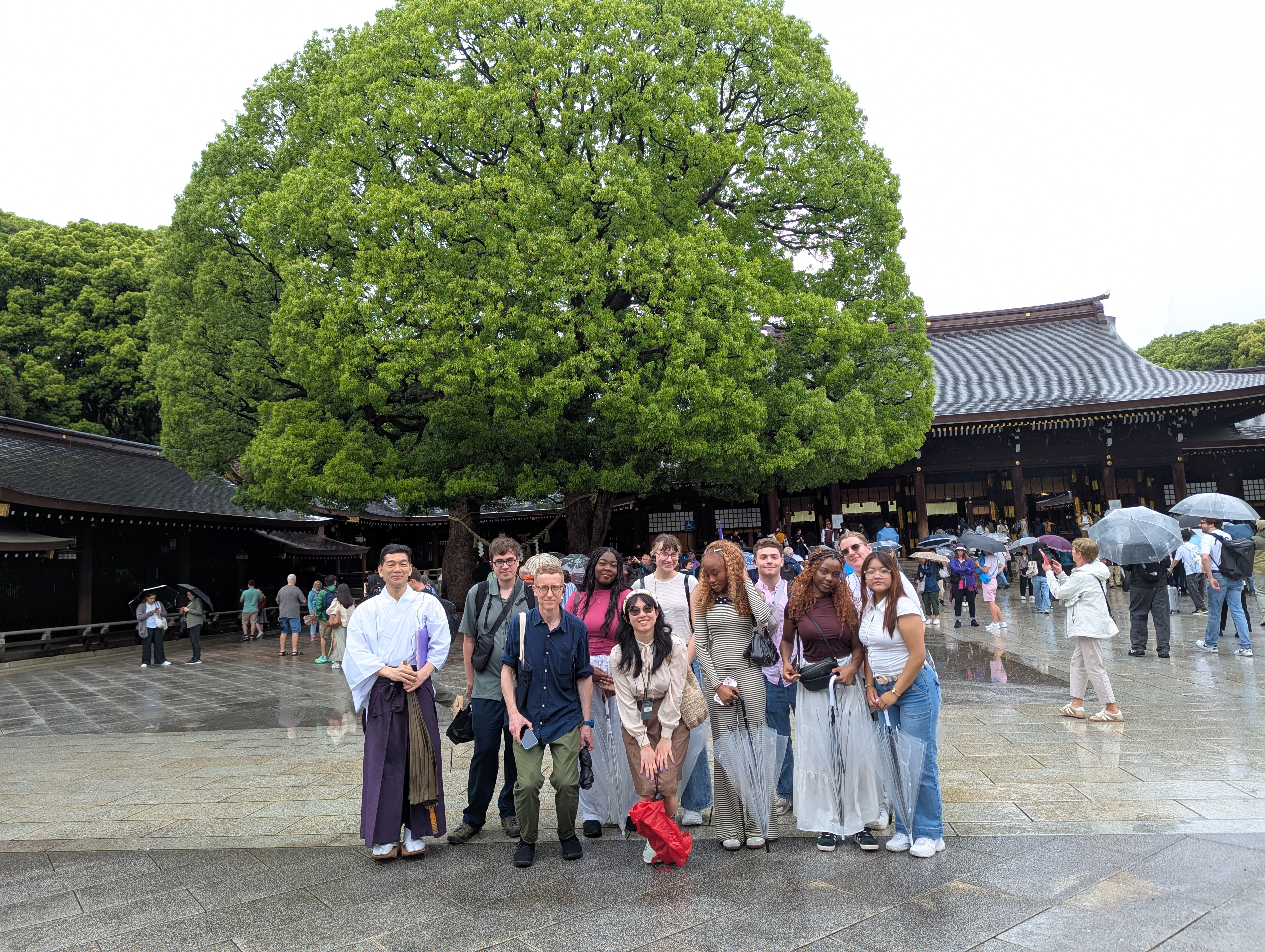
Upon arriving at Meiji Shrine (or Meiji Jingu, if you’d prefer the romanization of the Kanji), we met with Moriyasu-sama, a classmate of Professor Ng from undergrad who went on to become a Shinto Priest at the Meiji Shrine. He’s wearing pure white undergarments, called hakui shitagi, representing purity; hakama, the pants of a Shinto Priest’s vestments, whose deep, royal purple color signify both his rank and seniority; and traditional split-toed socks known as tabi with traditional Japanese clogs called geta to complete the look. Normally, these vestments would be made of an expensive material such as silk for higher-up priests or cotton, but due to the rain of the day, we got the less luxurious experience of seeing a Shinto Priest in polyester.
Shintoism as a whole is essentially a reverent belief and honor of kami, which is translated literally as “spirits” in English, although that translation lacks much of the nuance that belongs to Shintoism as a whole. Kami, while most understood to us as deities, are more so non-personified feats of nature. There is a kami of the sun, a kami of the Earth, a kami of the sea, and so much more. Shintoism is rooted in both gratitude and awe of the incandescent feats of nature and the power of all beings’ life force. While the Meiji Shrine was built to honor Emperor Meiji after his death in absence of a tomb, it doesn’t necessarily mean that the people of Japan worship him or his wife– rather, they honor their deified spirits. Shintoism isn’t about belief or worship; it is about ritualistic practice.
We had the opportunity to engage in this practice as we stepped into the sacred grounds– before entering the area of the shrine, we cleansed our hands and mouths, purifying ourselves both literally and spiritually. We bowed at the base of each torii gate, before finally participating in a purification ritual, also known as harae.
This ritual commenced with the banging of the drums, or taiko, before Shinto liturgies were recited in a pitchless, rhythmic manner. We bowed as an onusa, a purified paper shaker, was passed over us. More Shinto liturgies were recited to the tune played on a traditional Japanese flute known as a kagurabue, when Shinto shrine maidens known as Miko danced with flowers. At the end of the ritual, we walked out and received a sugary sweet chrysanthemum candy. The chrysanthemum is in honor of the imperial family as it appears on their crest, and the sugar acts as a preservative. Oftentimes, sugar is used in Shintoism as an offering to the kami through foods (shinsen).
Overall, Shintoism reinforces cultural ideas of the ways in which spiritual and bodily health are intertwined. There was initially a lot of pushback against Buddhism in Japan in favor of Shintoism before realizing that it was a necessity as Shintoism tends to focus on the importance of life and doesn’t dabble much in thoughts of death, as it is seen as “unclean.” Because Shinto Priests often refused to perform death rituals, the job then fell to Buddhist monastics, making them a necessity in Japanese society. As we continue to look into how commodities such as sugar and textiles are used culturally in Japan, the Meiji Shrine and Shinto practices acted as a friendly entry point for us to recognize the different ways in which things as basic as cloth and sugar becomes something with meaning in different cultural contexts.
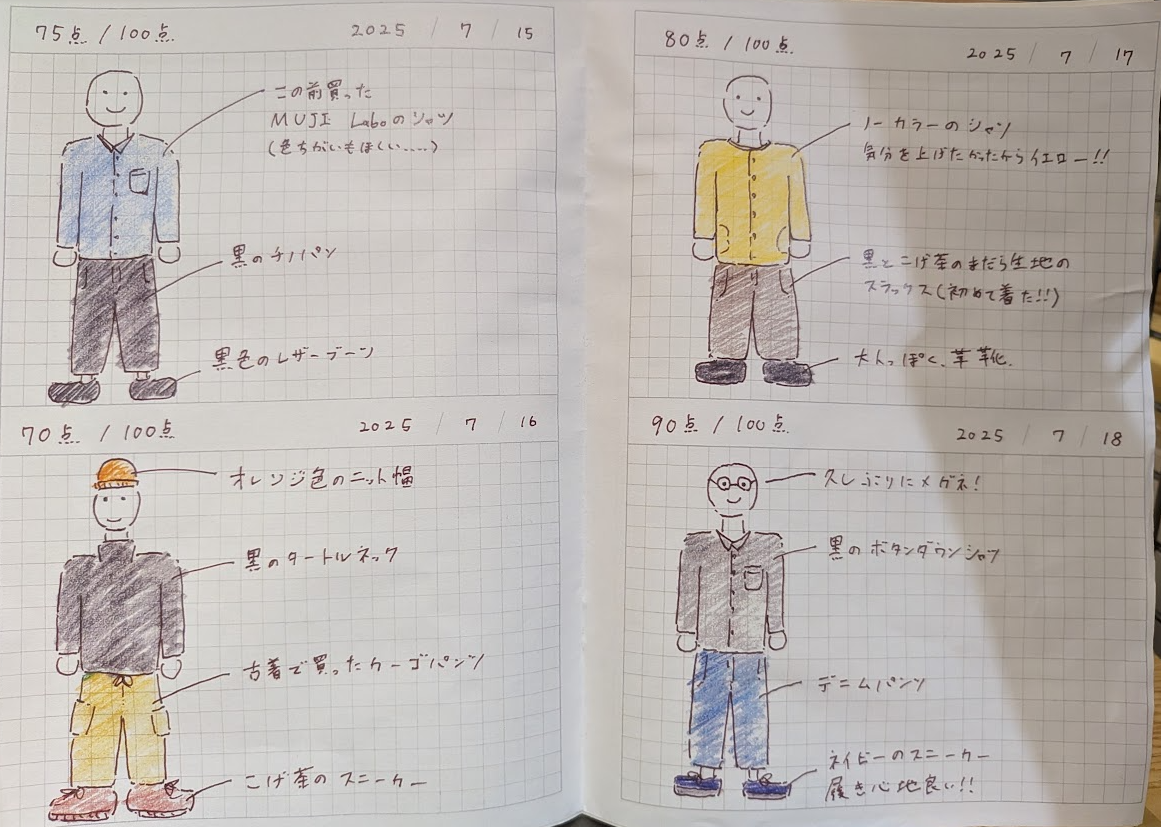
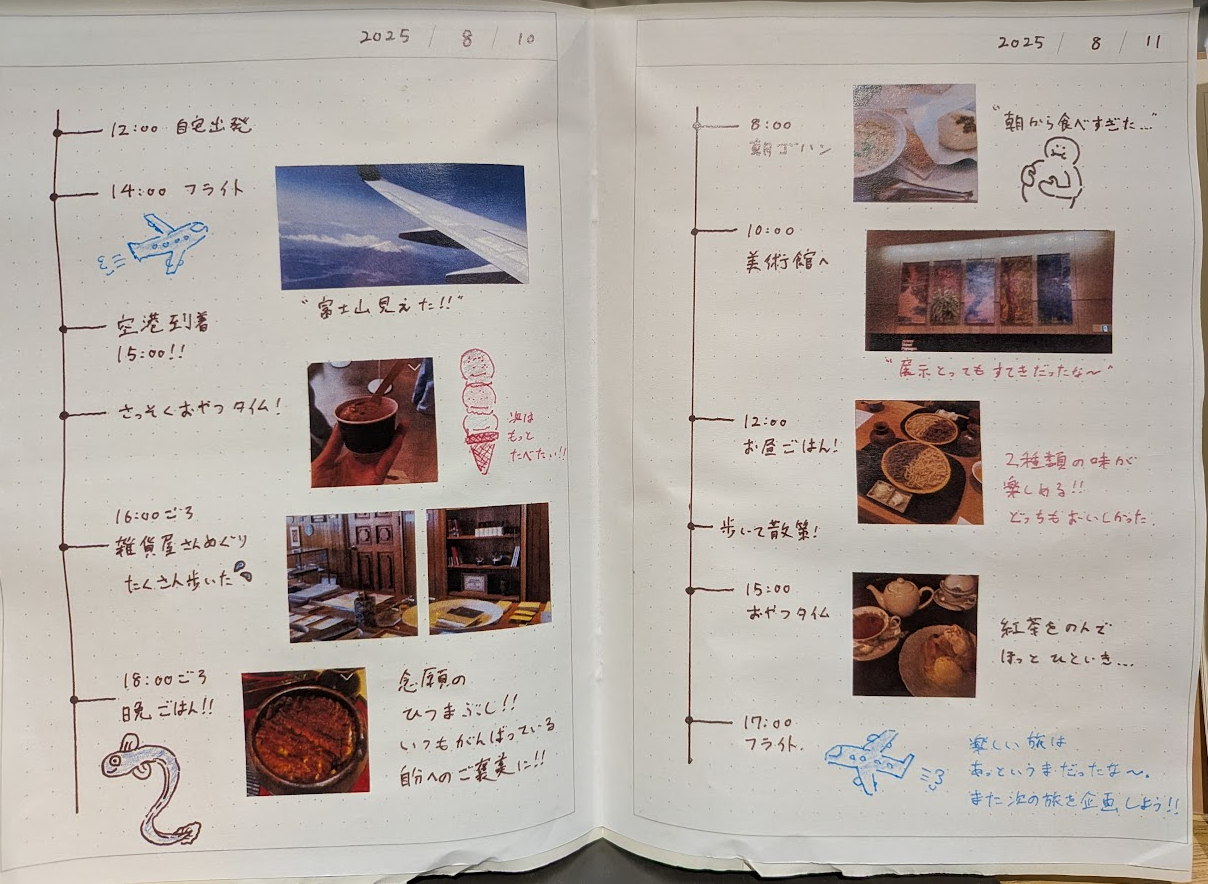
You’ll all be doing a daily journal, including your reflections on things you’ve experienced. Your written reflections should also include visual material, including your own sketches and/or things you’ve collected that could be taped or glued into your journal. We bought you each a notebook at Muji (an excellent place to buy stationary!) and took a few pictures of journal pages that Muji had on display. You can use these for some ideas of what your journals could look like. They include timelines, sketches with explanatory labels, short paragraphs with small illustrations.
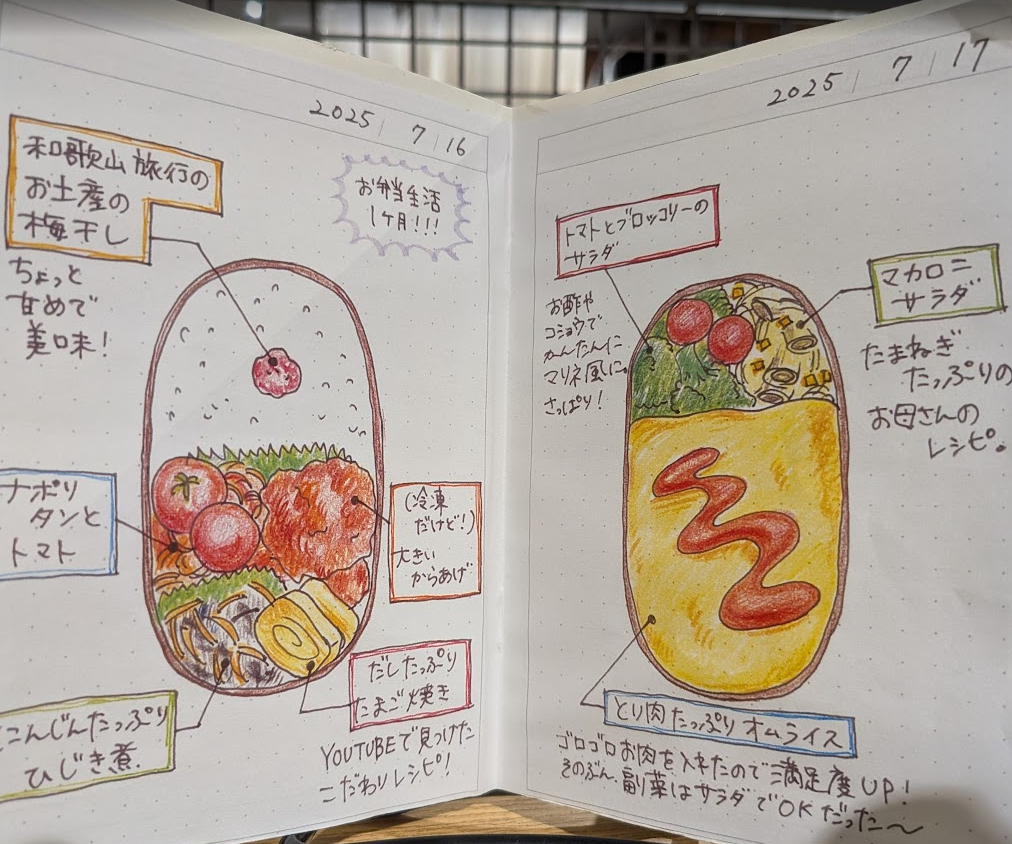
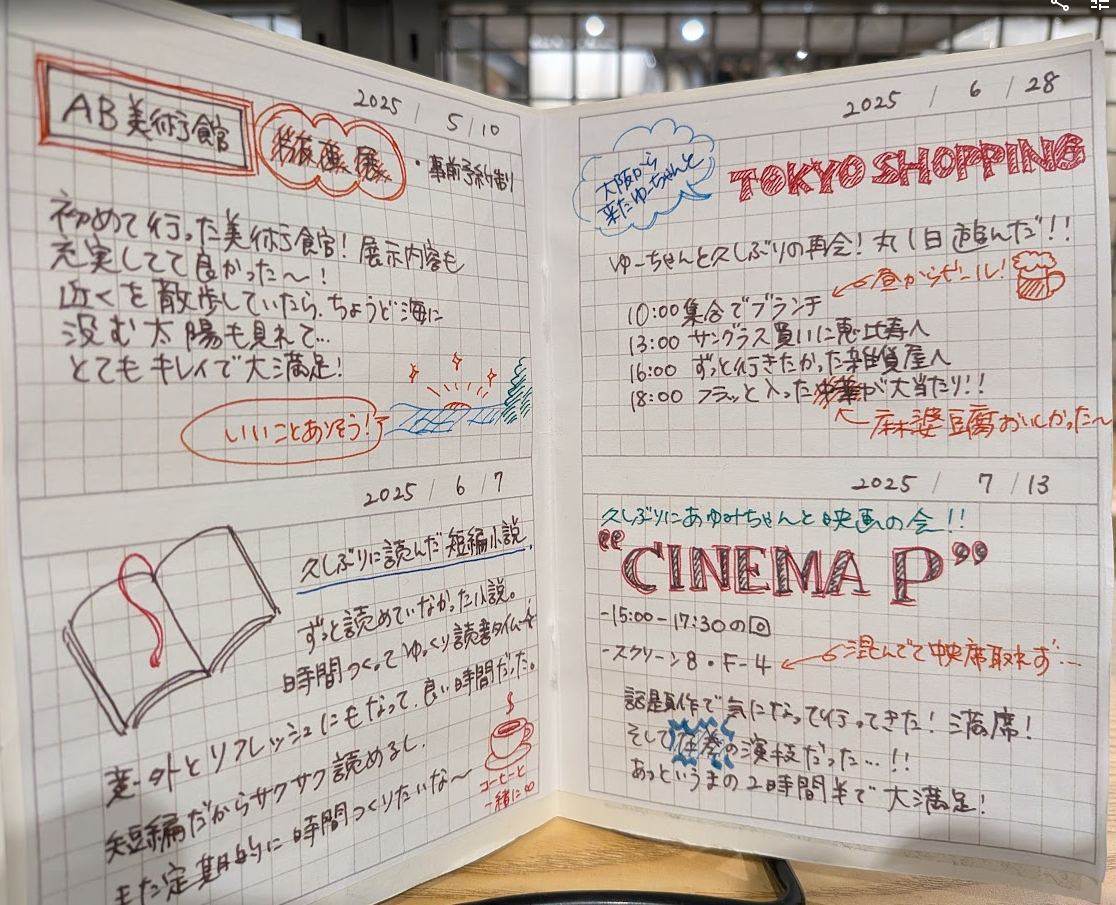
Dr Bonk asked AI to help with packing advice for all of you” “What should one pack for three weeks in May-June Japan with access to laundry facilities?”
The answer below is just a guide and might not work for everyone.
(1) Male Student Packing List
👕 Clothing (aim for ~5–7 days, then laundry)
👟 Footwear
🧼 Toiletries & Personal Care
🎒 Backpack (Carry-on Essentials)
🧳 Other Essentials
(2) Female Student Packing List
👚 Clothing (again ~5–7 days max)
👟 Footwear
🧼 Toiletries & Personal Care
🎒 Backpack (Carry-on Essentials)
🧳 Other Essentials
Shared Smart Packing Tips
1. Pack lighter than you think
You’ll likely buy things in Japan. Leave space.
2. Prioritize humidity-friendly fabrics
Avoid heavy cotton jeans—quick-dry fabrics are much more comfortable.
3. Rain prep is essential
Late May–June = frequent rain. A compact umbrella + light rain layer is better than bulky gear.
4. Shoes matter more than outfits
You’ll walk a lot (15–25k steps/day is common).
5. Laundry strategy
Plan to wash every 4–5 days → reduces luggage significantly.
There will be laundry facilities at the Tokyo Ueno Hostel (coin-laundry), and also in the Kyoto machiya (in the house).
In Kyoto, there will be a meeting to discuss the arrangement for how you will manage the 11 days in the small living quarters. At the meeting, there should be a time table drawn up for showering, laundry, as well as planning for the shared cooking and cleaning duties.

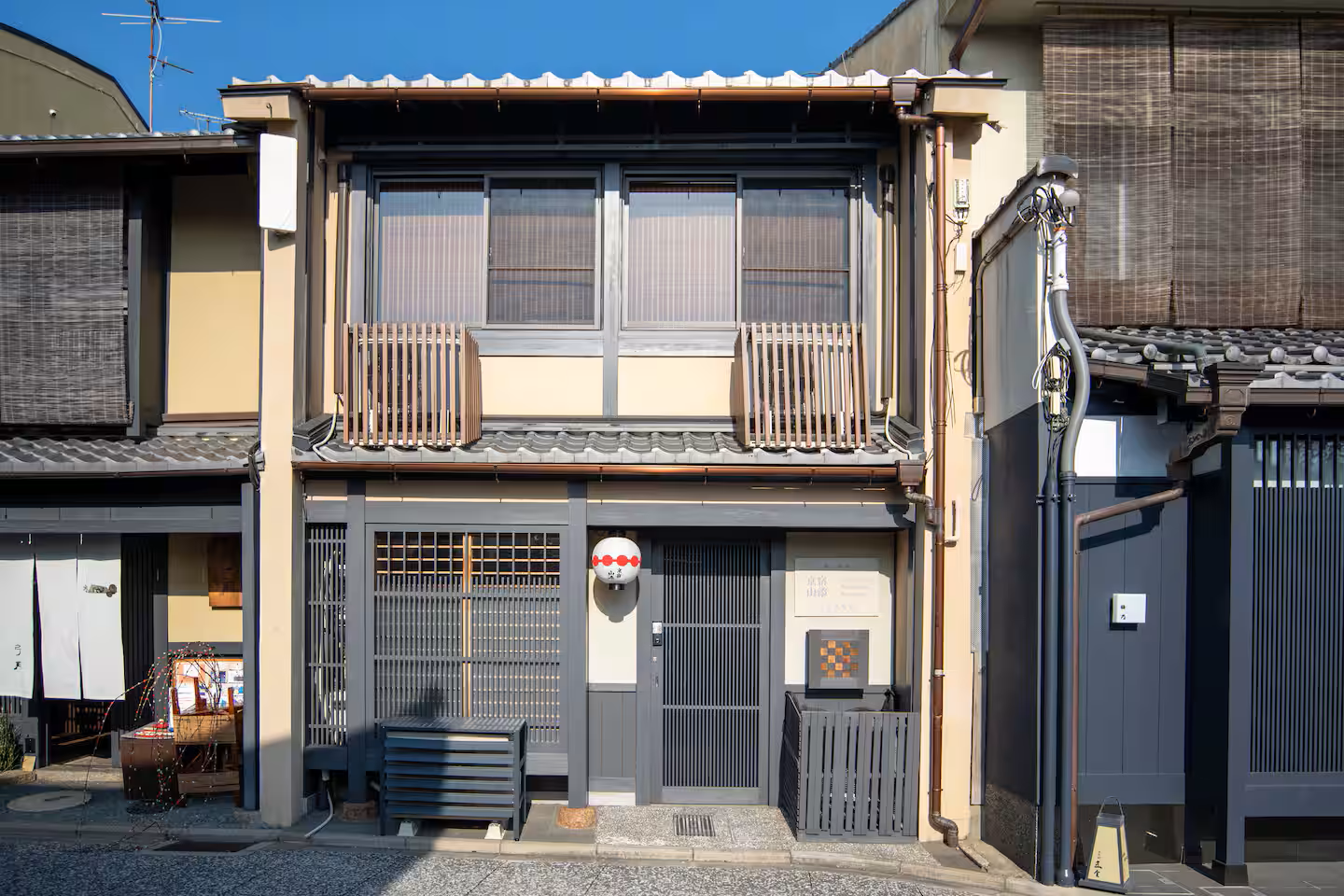
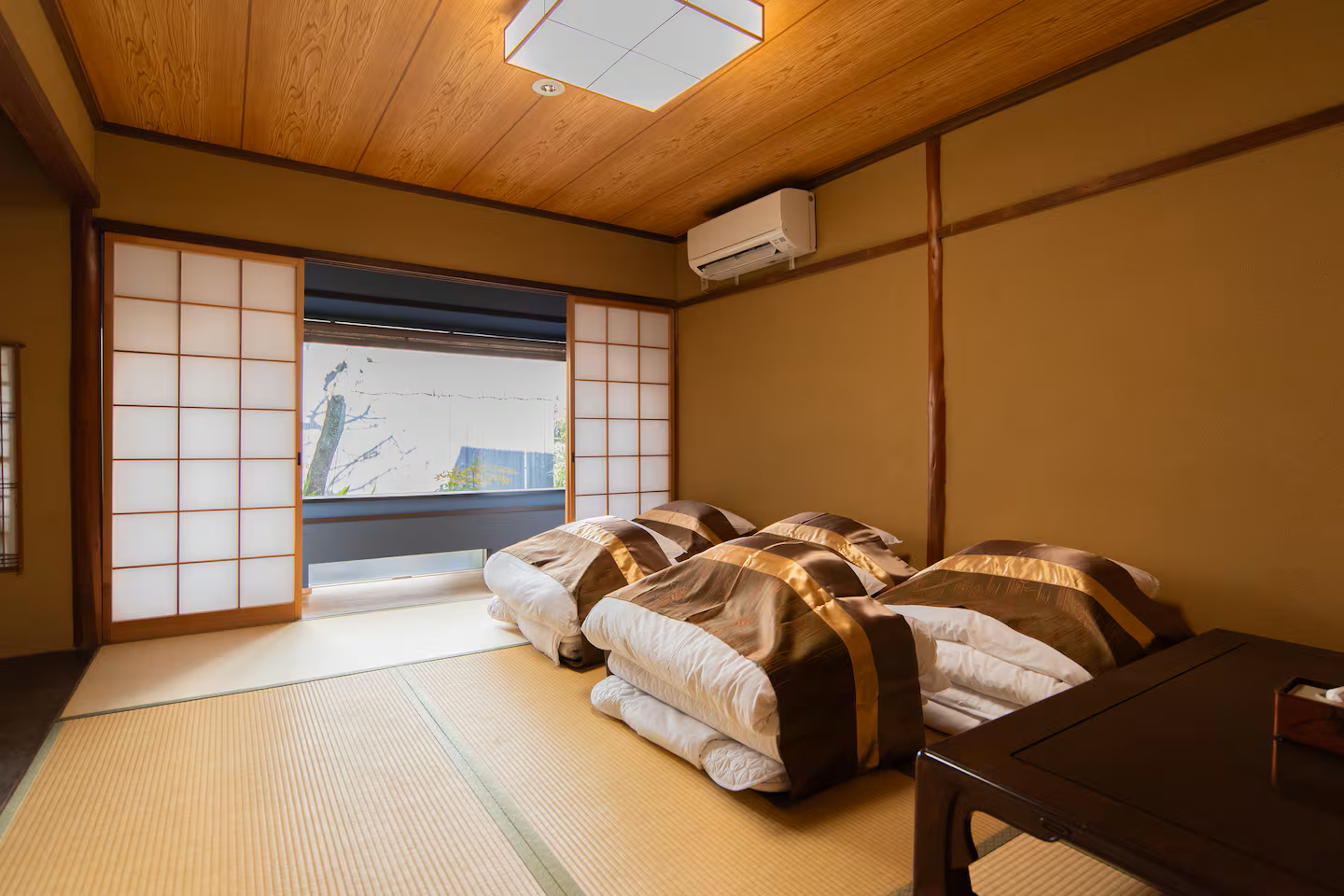
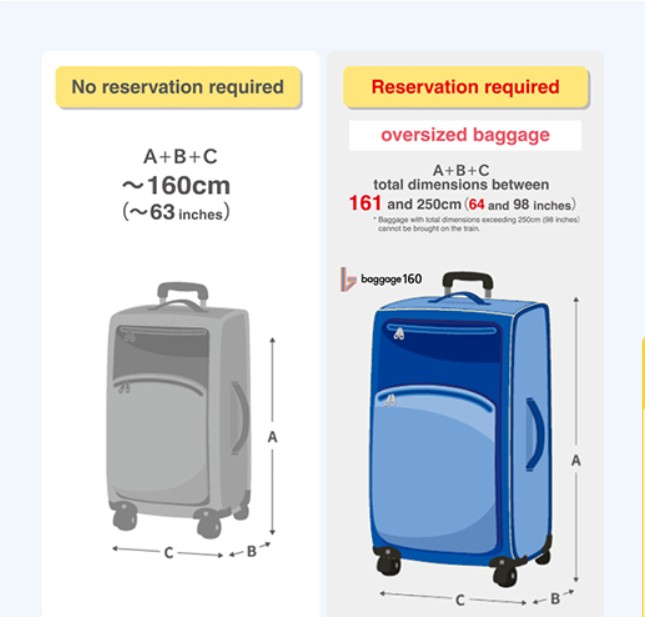
Based on the Japan Railway Company (JR)’s website on luggage information, we highly recommend that you bring a suitcase that will not require reservation on the trains. Do measure your suitcases to make sure that the breadth, length and width do not add up to more than 160 centimeters or 63 inches. This would usually equal a medium size luggage, like the one Dr Bonk showed you on Saturday. Here is the link to the JR website. https://global.jr-central.co.jp/en/info/oversized-baggage/
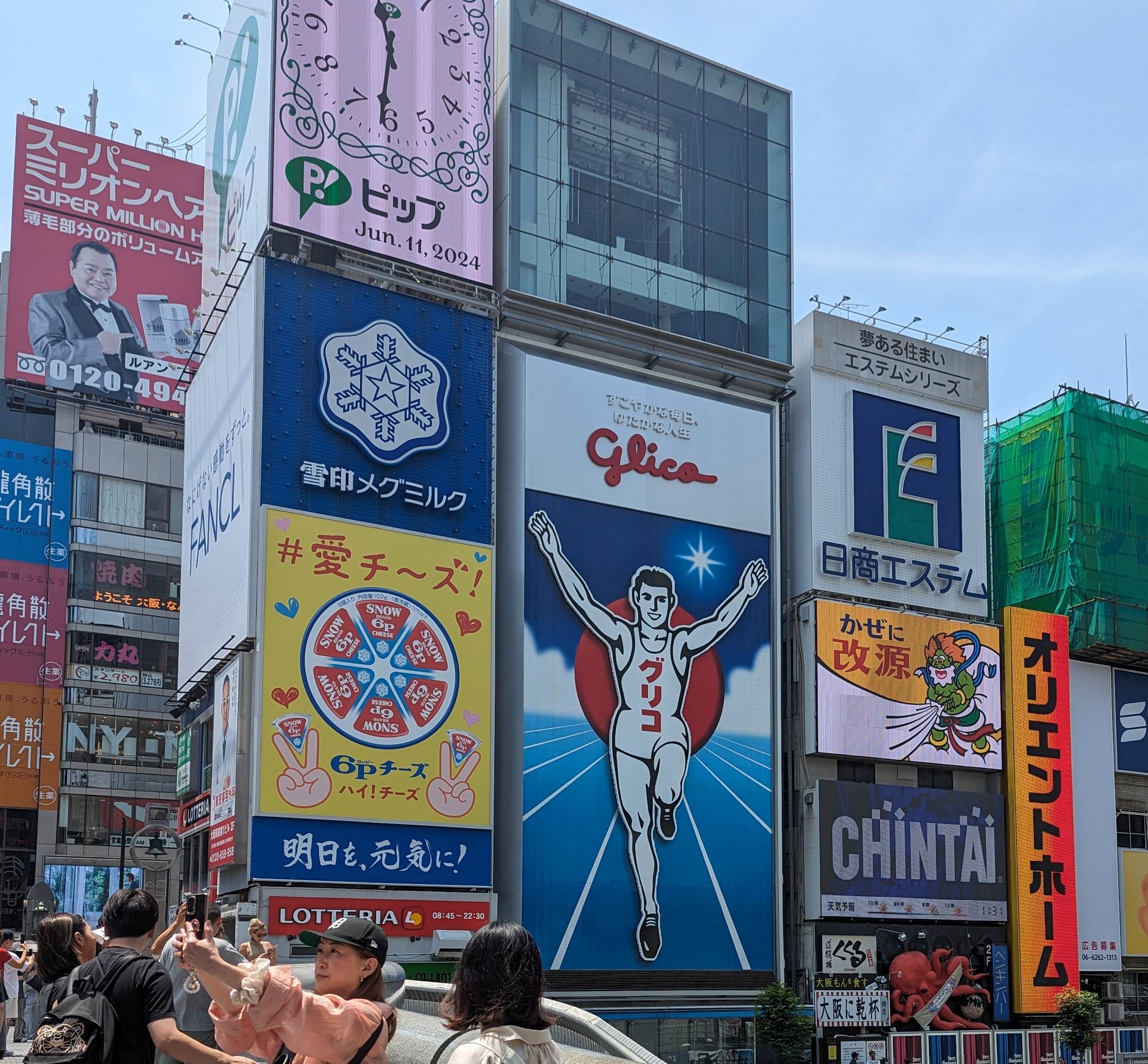
A famous landmark of Osaka, advertising Glico, a major Japanese candy manufacturer.