Yokohama Port City

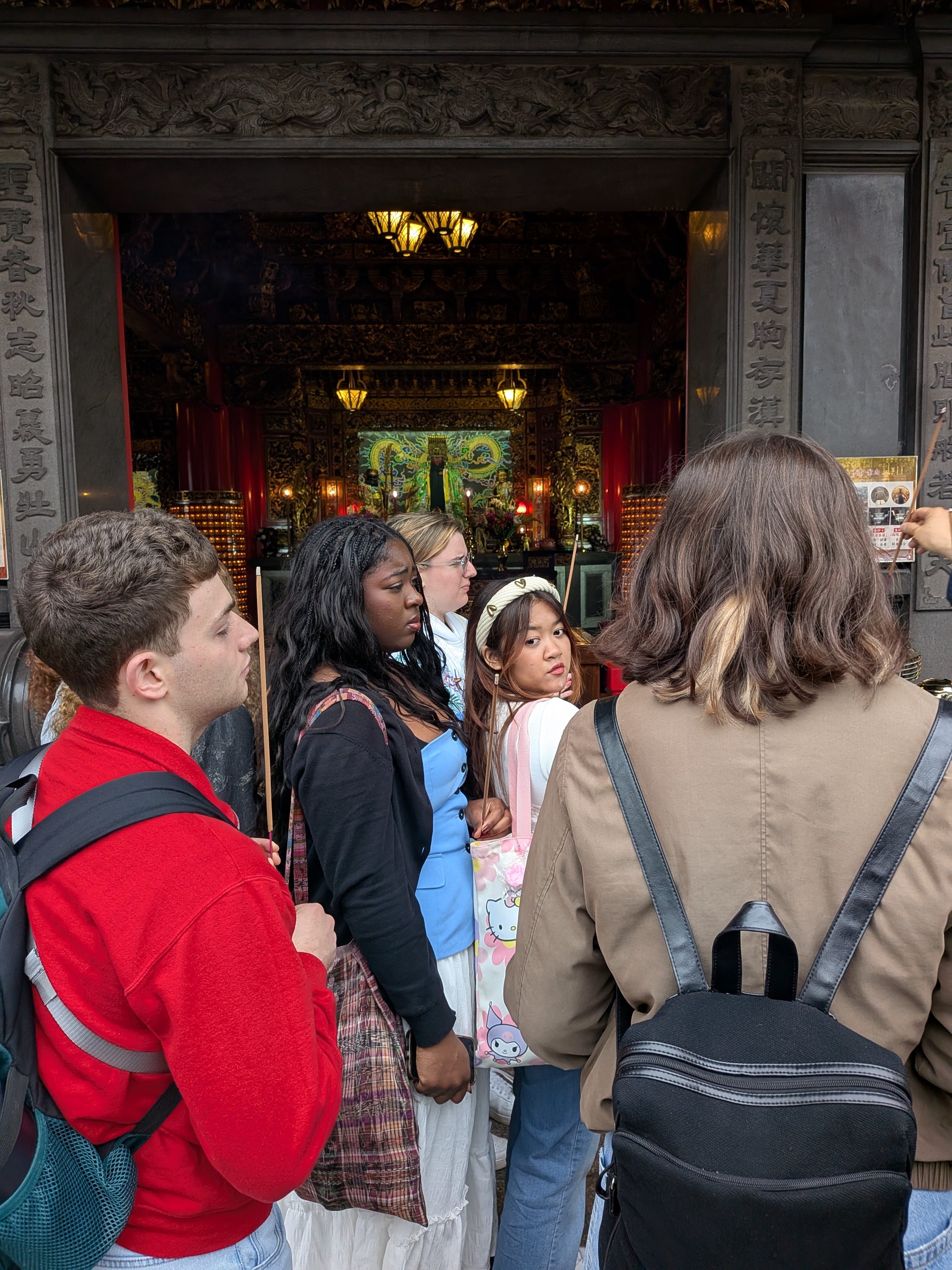
Preparing incense at the Kuan Ti Temple in Yokohama. The Daoist temple, dedicated to the Chinese deity Guandi, is one of two major temples in Yokohama’s Chinatown. Yokohama’s Chinatown, the biggest in Japan, dates back to the 1850s, when Chinese immigrants and merchants began to trade in the newly established treaty port.
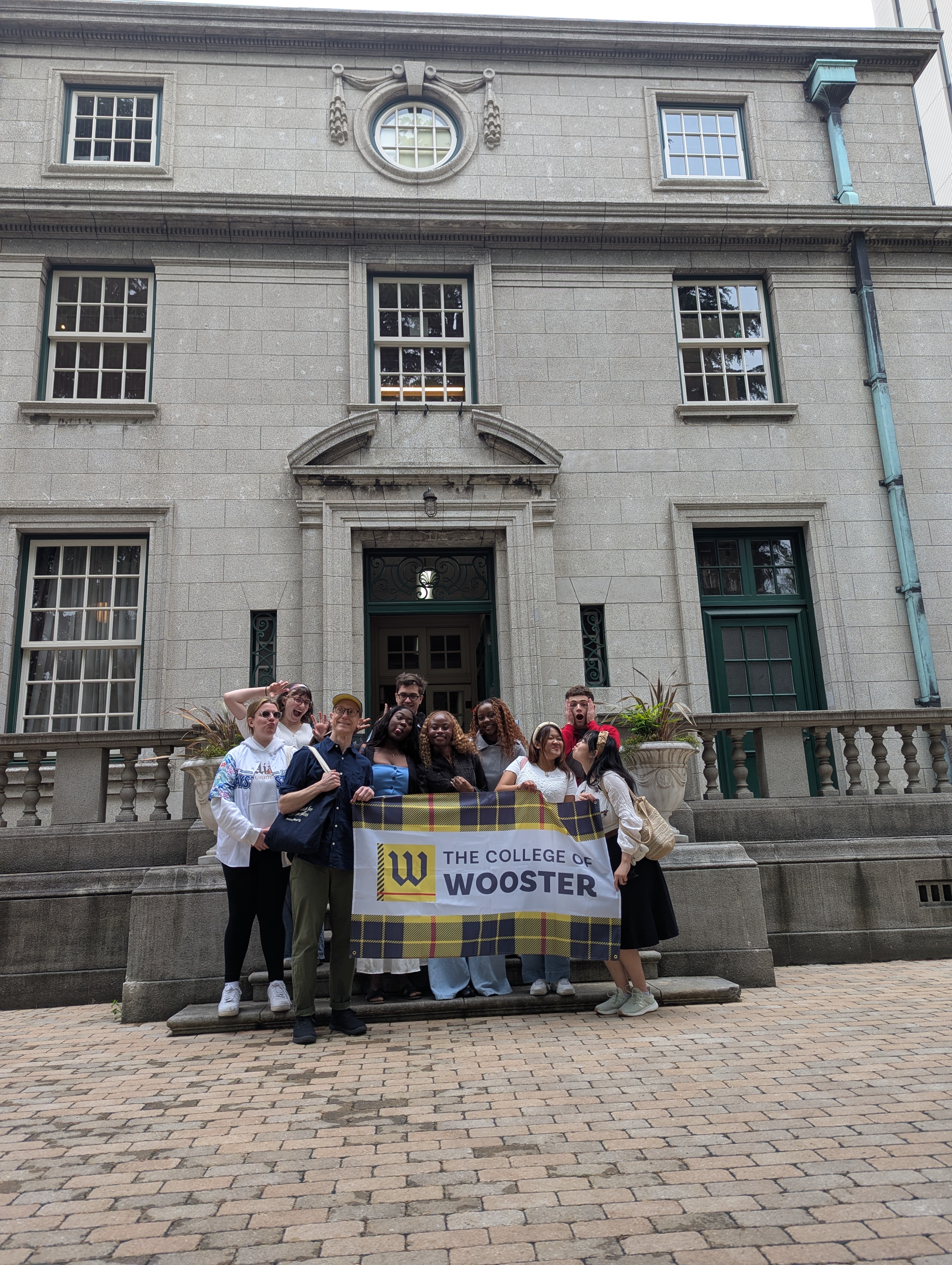
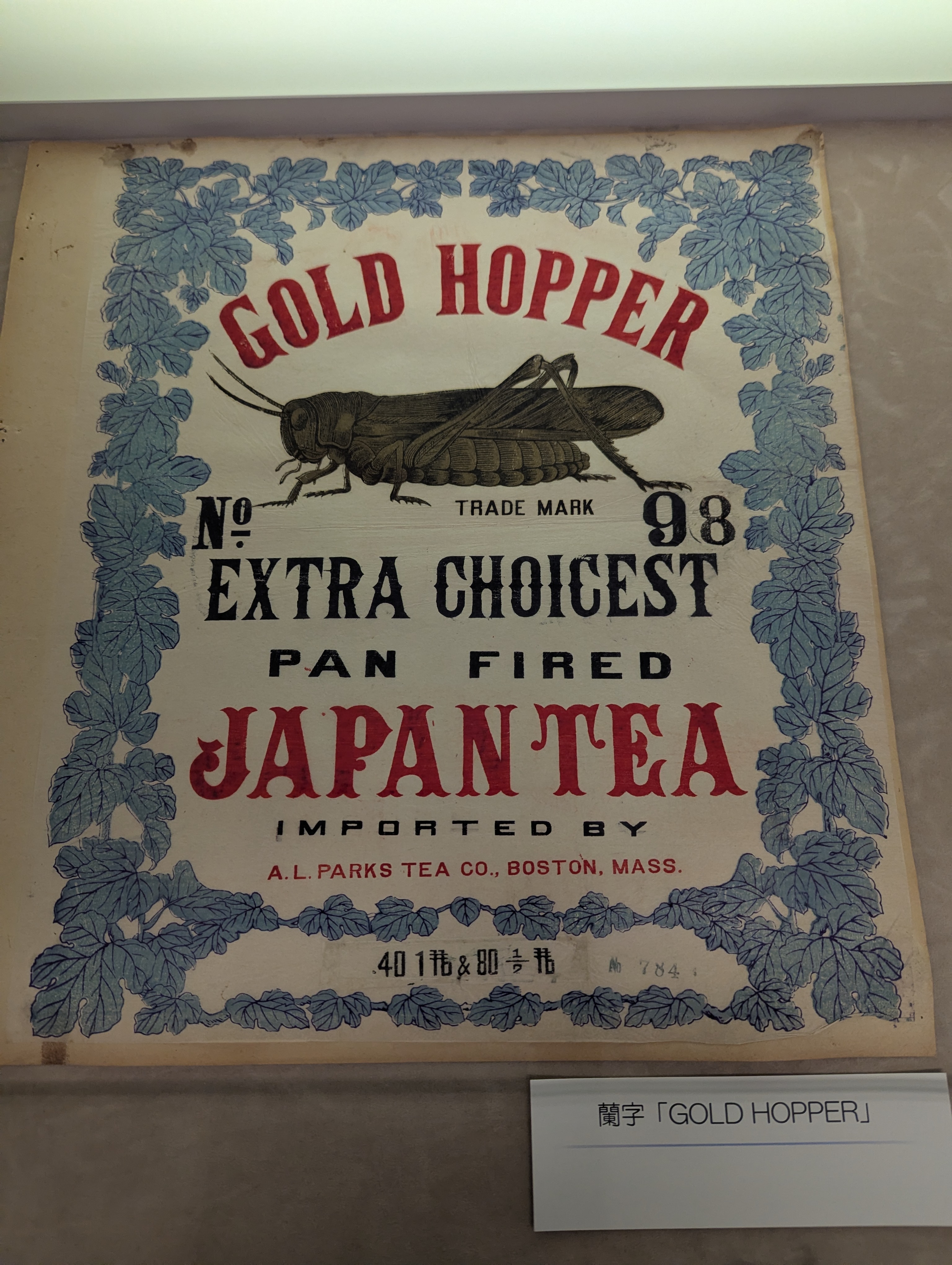
In front of the former British consulate in Yokohama, now the Yokohama Historical Archives Museum. The museum includes a fascinating collection of tea labels from Yokohama’s export tea industry in the late 19th century.

Visiting Edo-Tokyo Museum

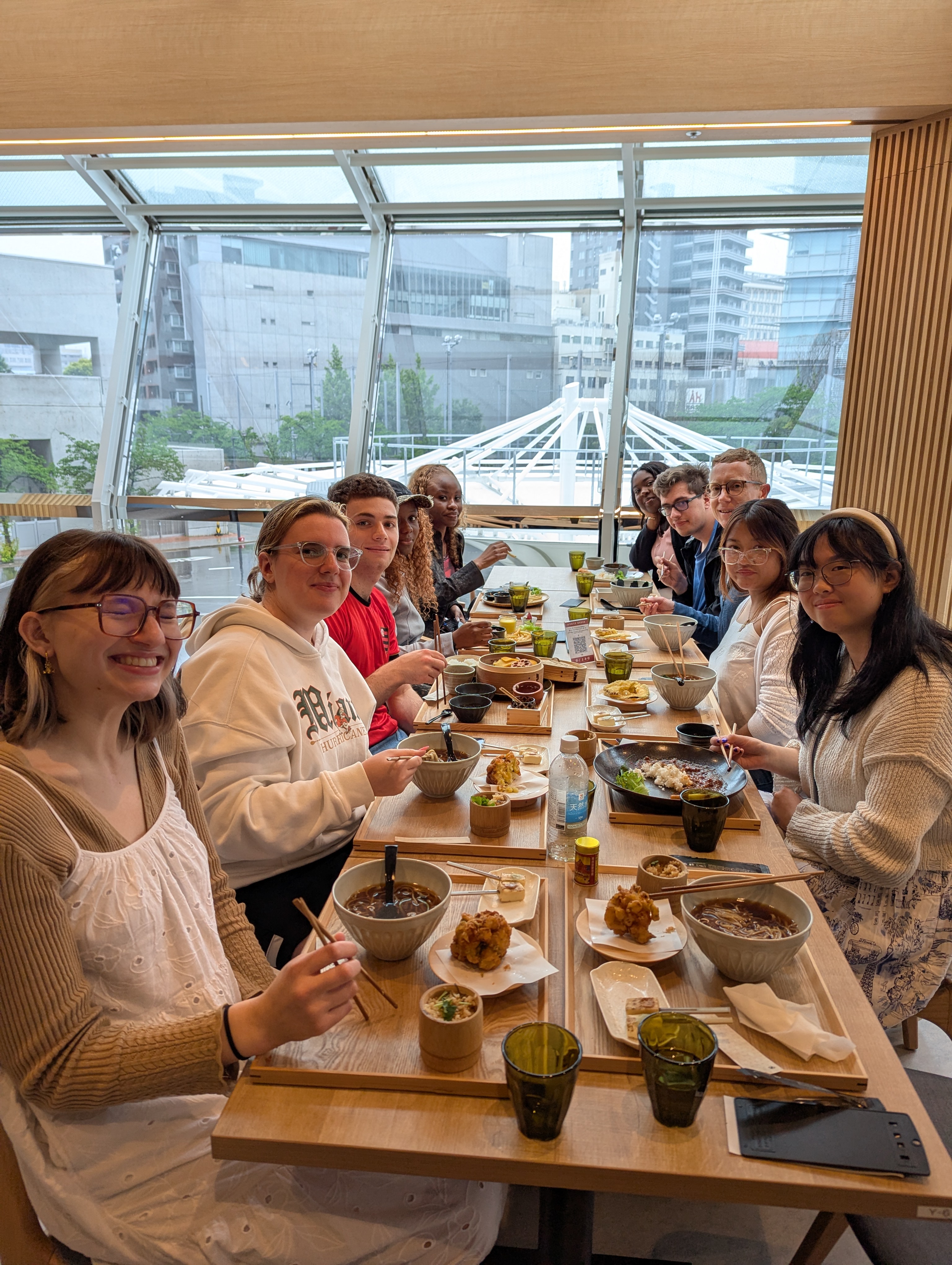
Enjoying a group lunch and practicing chopstick skills after visiting the museum. Soba noodles (made out of buckwheat) and tempura.
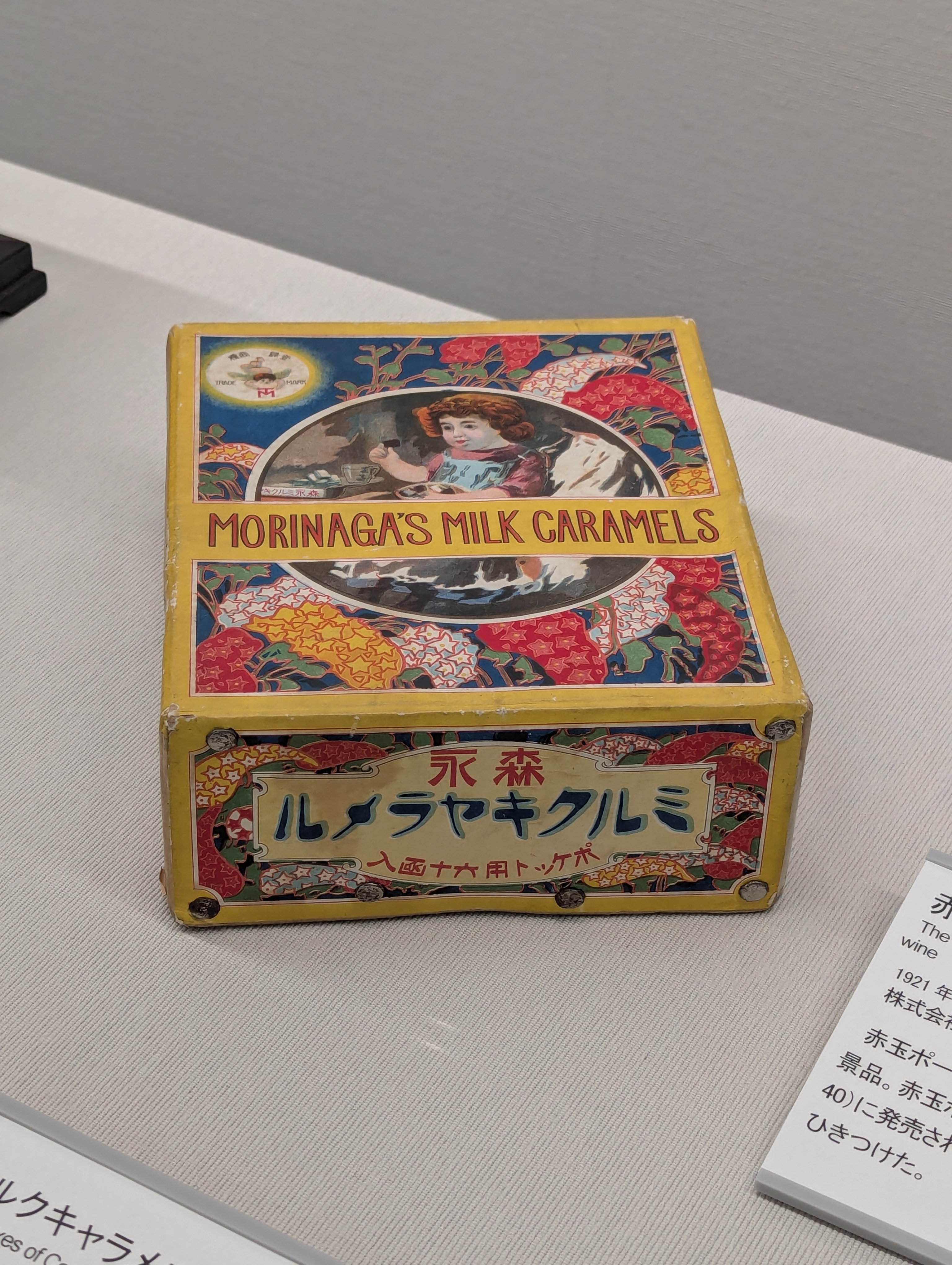
A popular candy from the Meiji era. Morinaga was a major consumer of sugar produced in Taiwan, a Japanese colony. The company is still a major candy manufacturer, based in Tokyo.
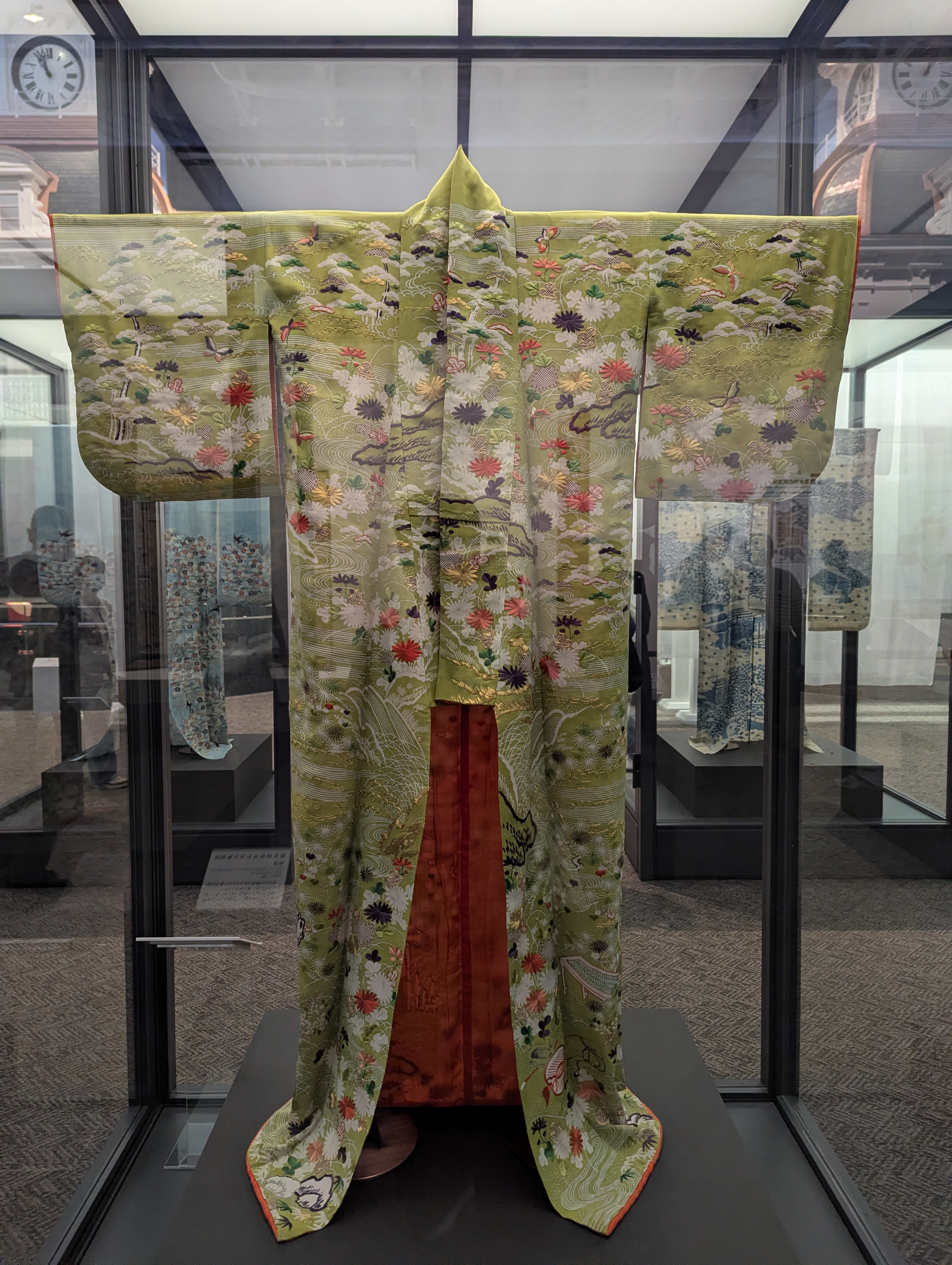
One of many Edo-period kimonos on display at the museum. This one is made of silk with intricate embroidery.
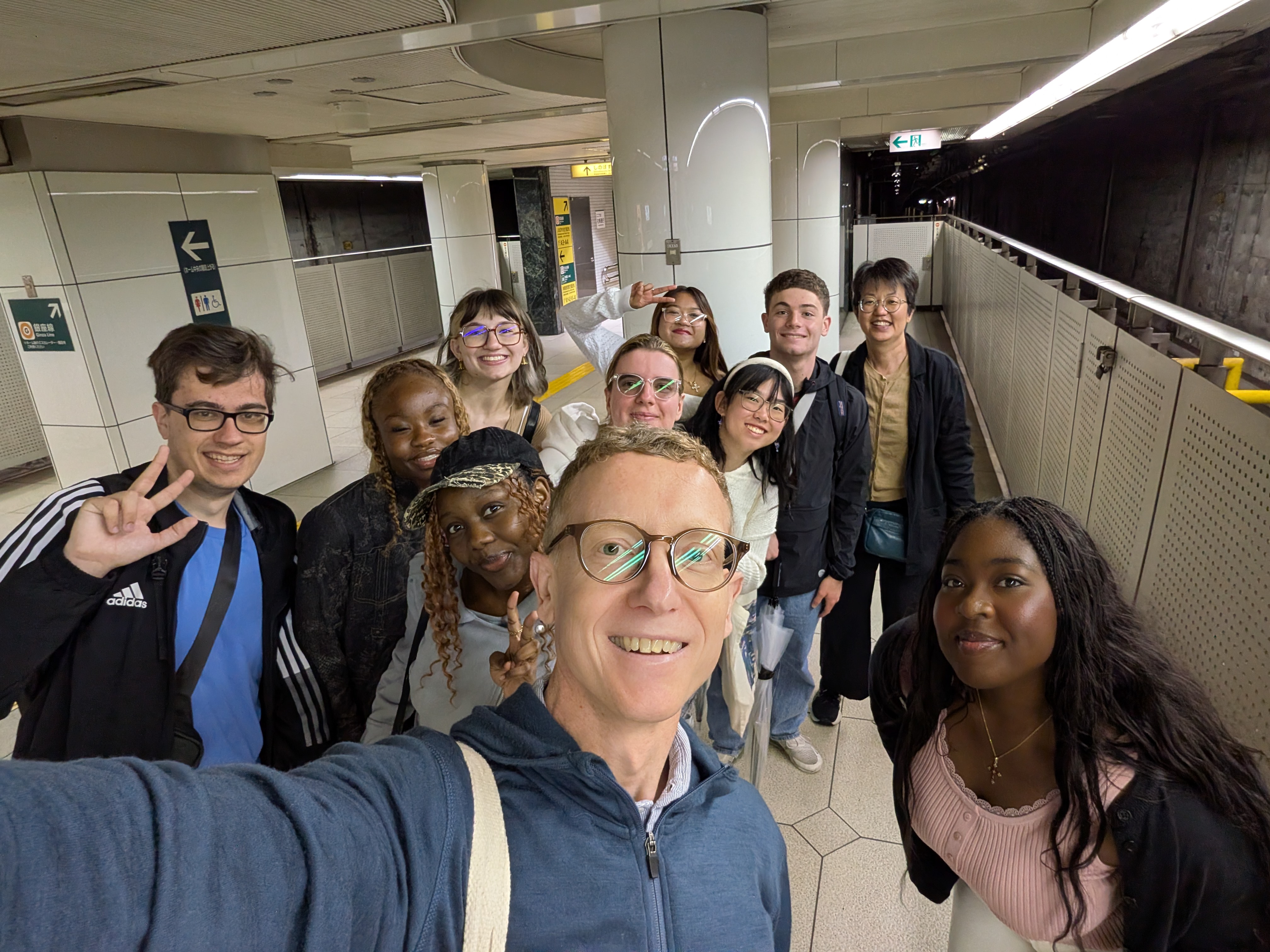
About to get on the Ōedo line subway. We got a little lost along the way but found it eventually!

Photos from the Meiji Shrine and Harajuku

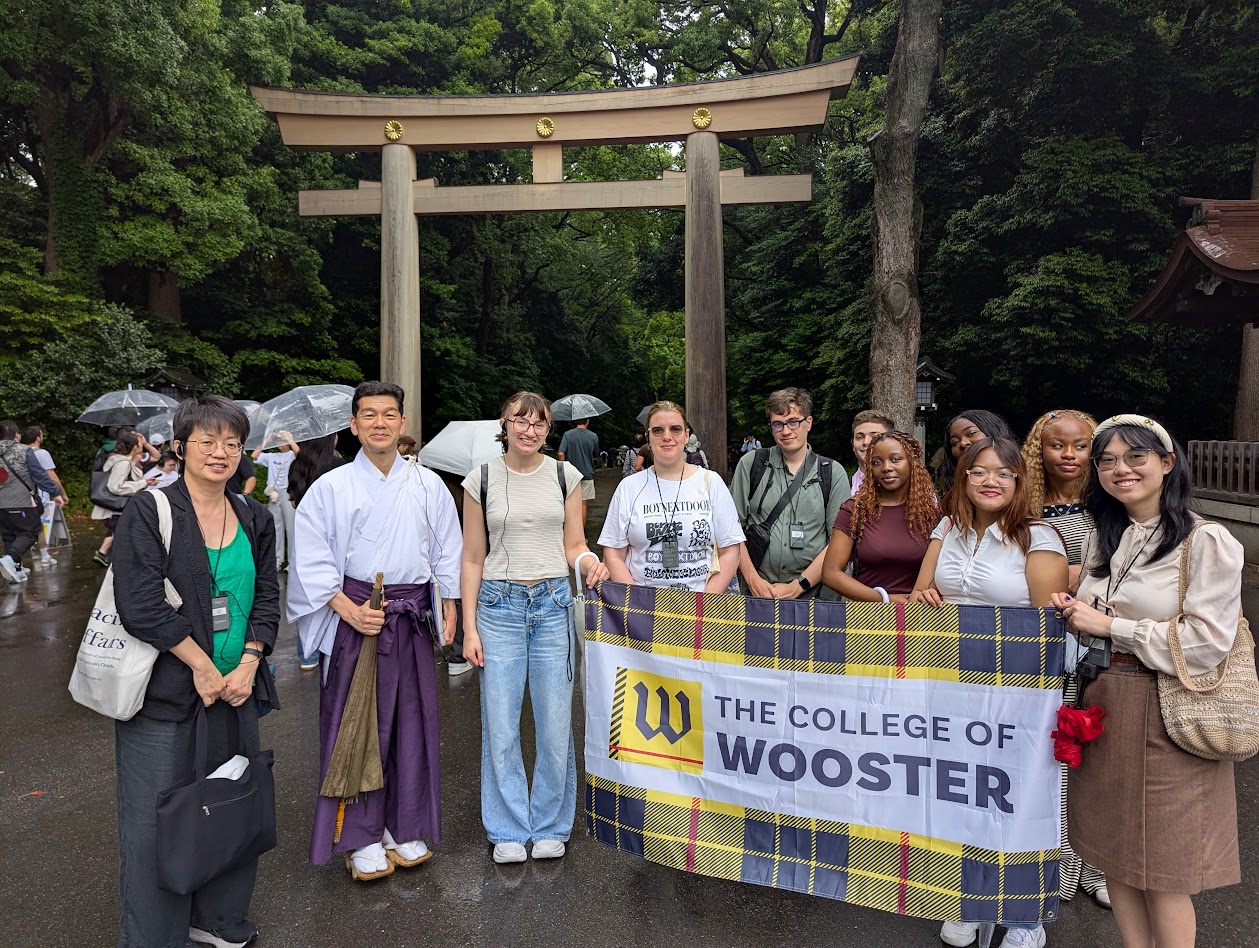
Photo with Shrine Priest Ito Moriyasu伊藤守康 in front of the Meiji Shrine Torii Gate. The Meiji Shrine was established after the death of the Meiji Emperor, honoring the spirits of both the Meiji Emperor and his wife Shōken. The gate in this photo marks the divide between the secular realm and the spiritual realm.
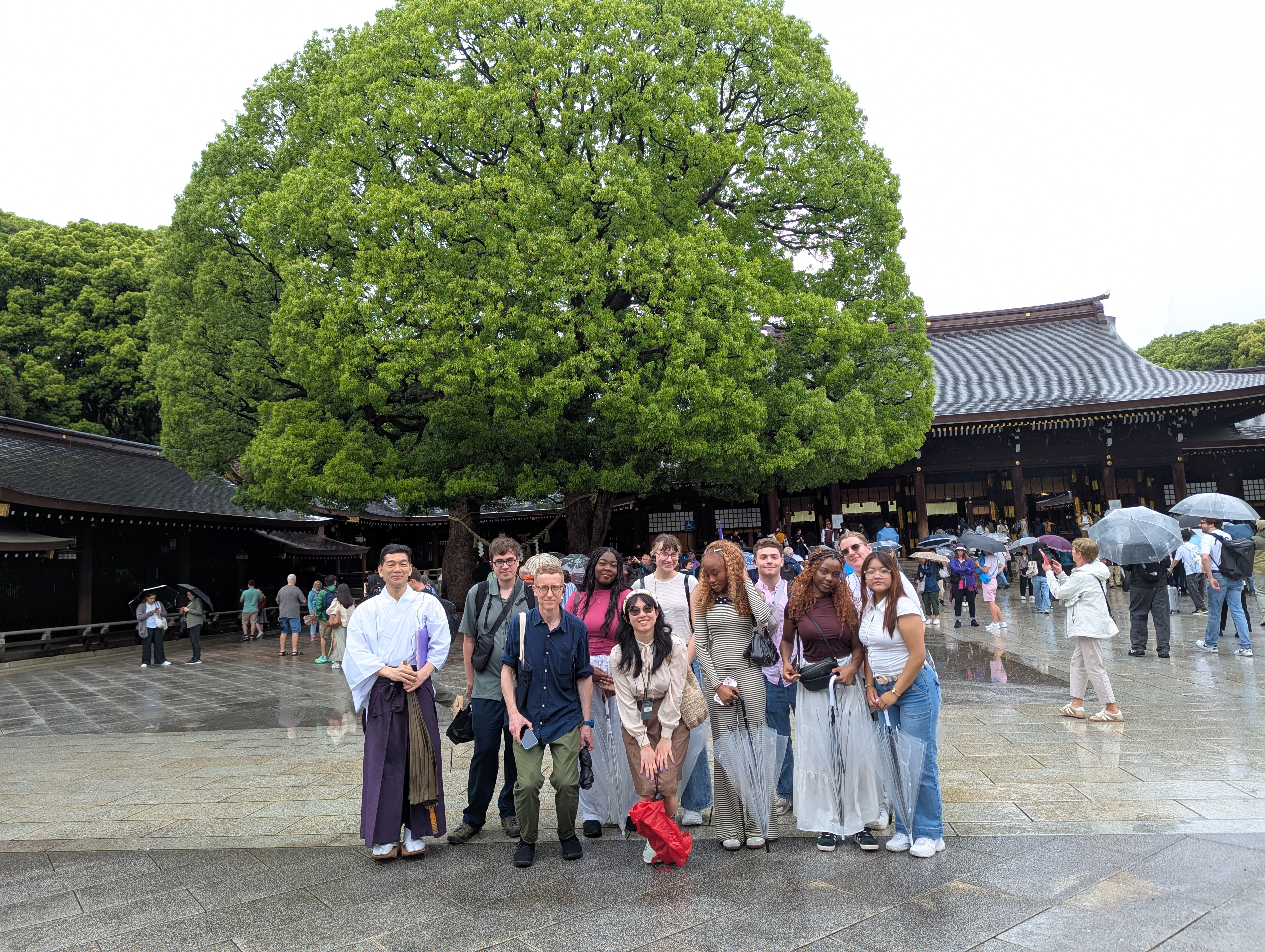
Photo in front of the main shrine building at the Meiji Shrine
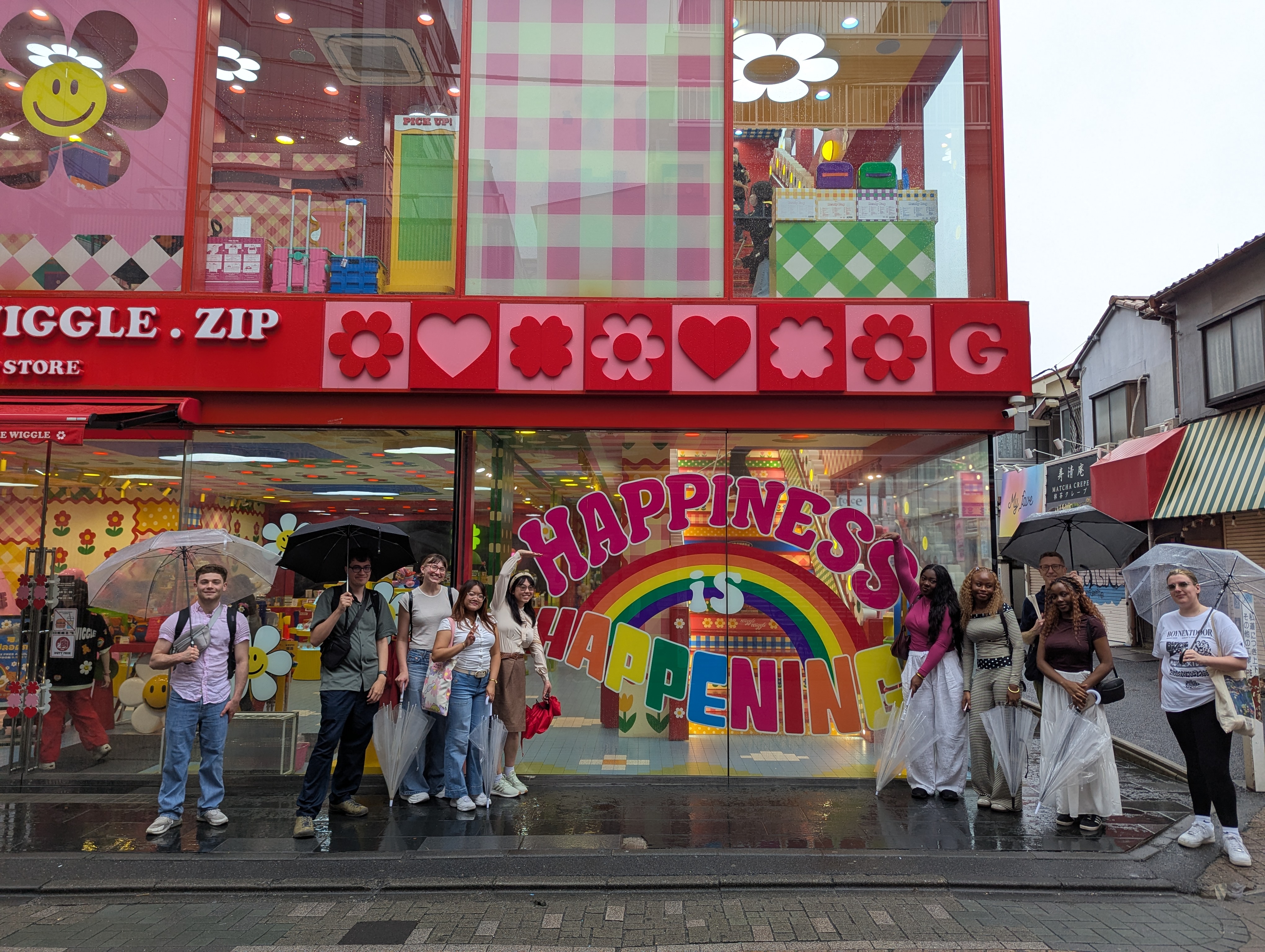
Happiness IS Happening! A photo on Takeshita Street in Harajuku, 9:00 AM. Harajuku is famous as a place to experience kawaii style in all its variations. For more information on kawaii style in Harajuku, check out this article and video.

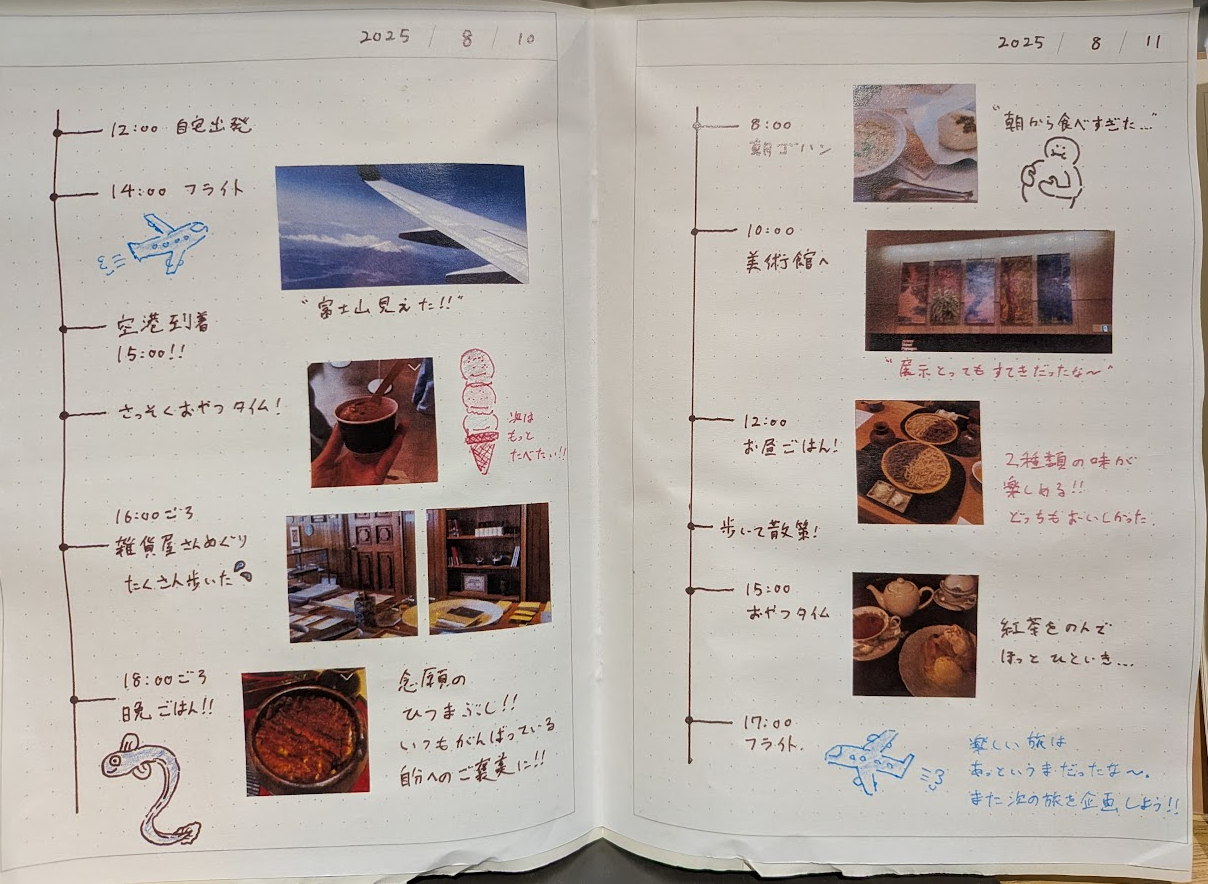
Journaling

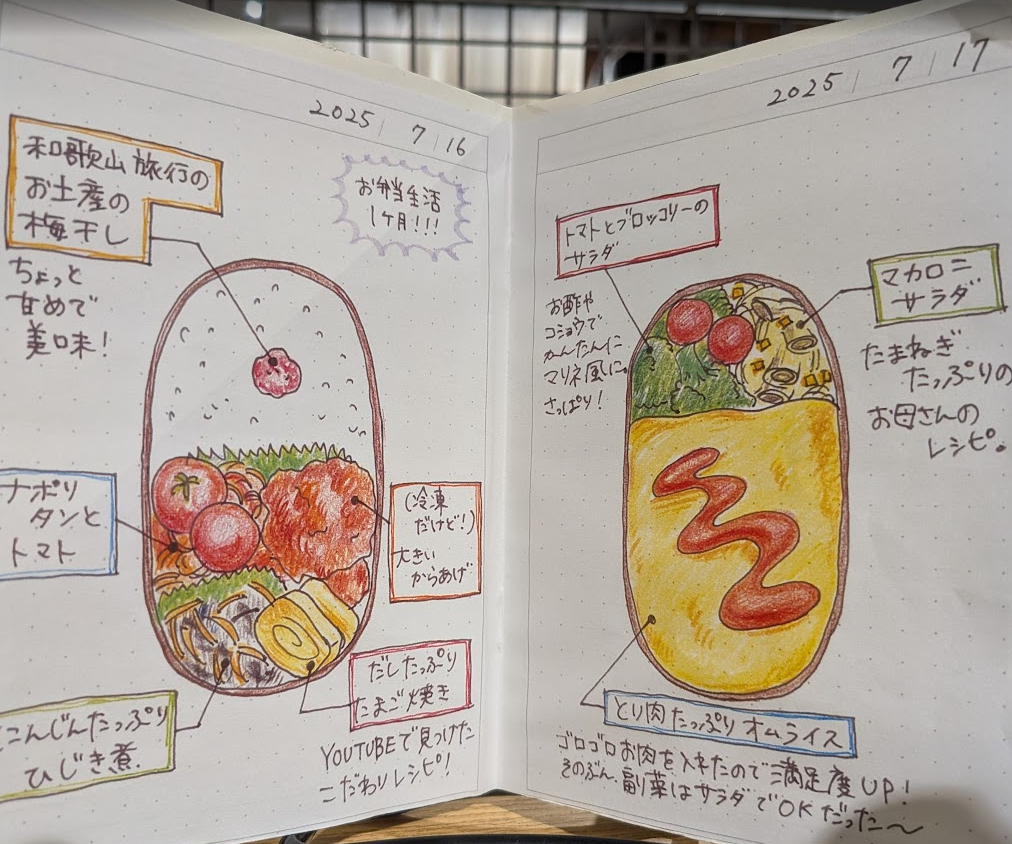
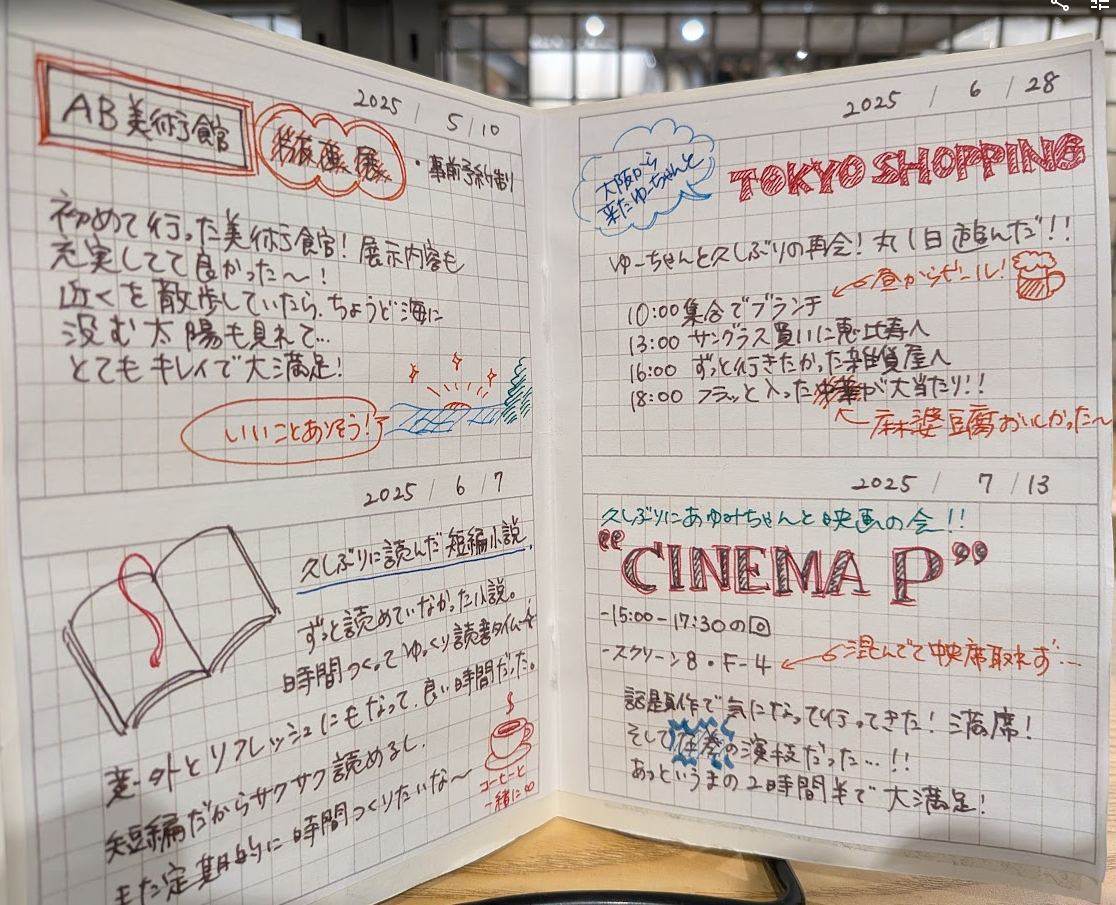
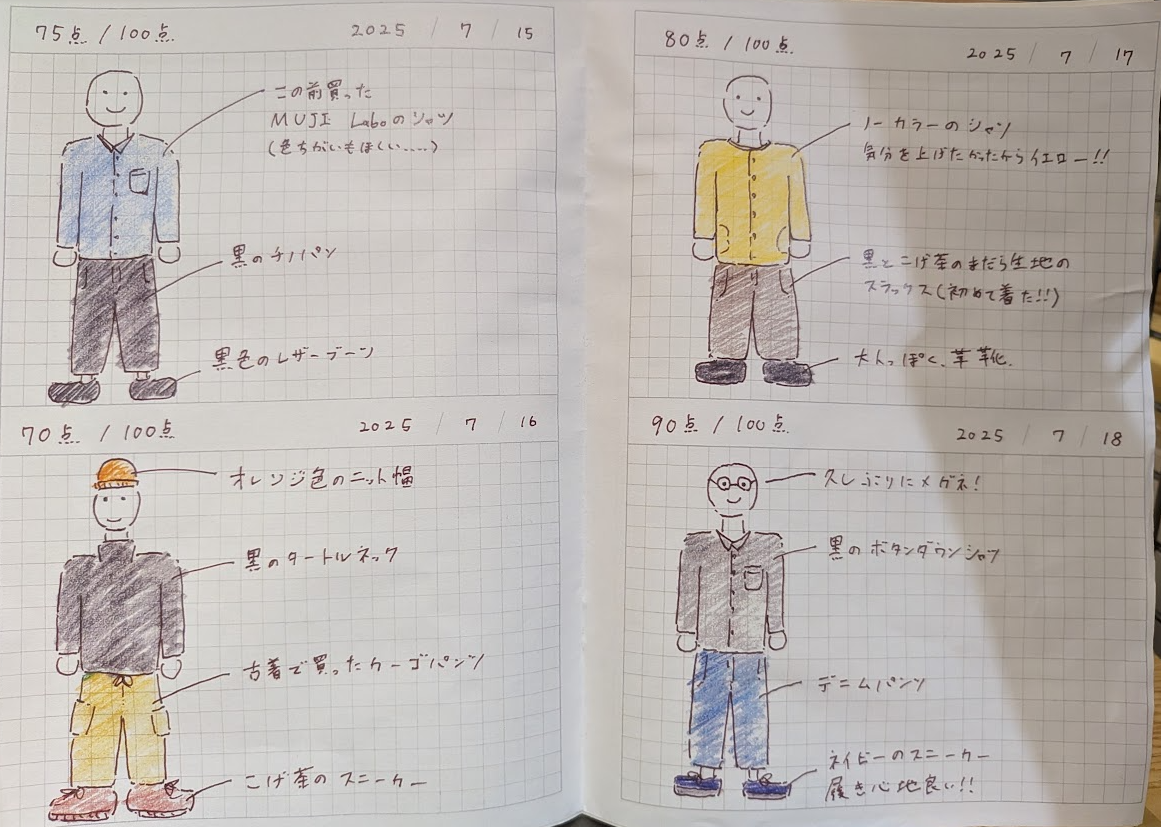
You’ll all be doing a daily journal, including your reflections on things you’ve experienced. Your written reflections should also include visual material, including your own sketches and/or things you’ve collected that could be taped or glued into your journal. We bought you each a notebook at Muji (an excellent place to buy stationary!) and took a few pictures of journal pages that Muji had on display. You can use these for some ideas of what your journals could look like. They include timelines, sketches with explanatory labels, short paragraphs with small illustrations.
Privacy Statement