By Gabby and Olivia
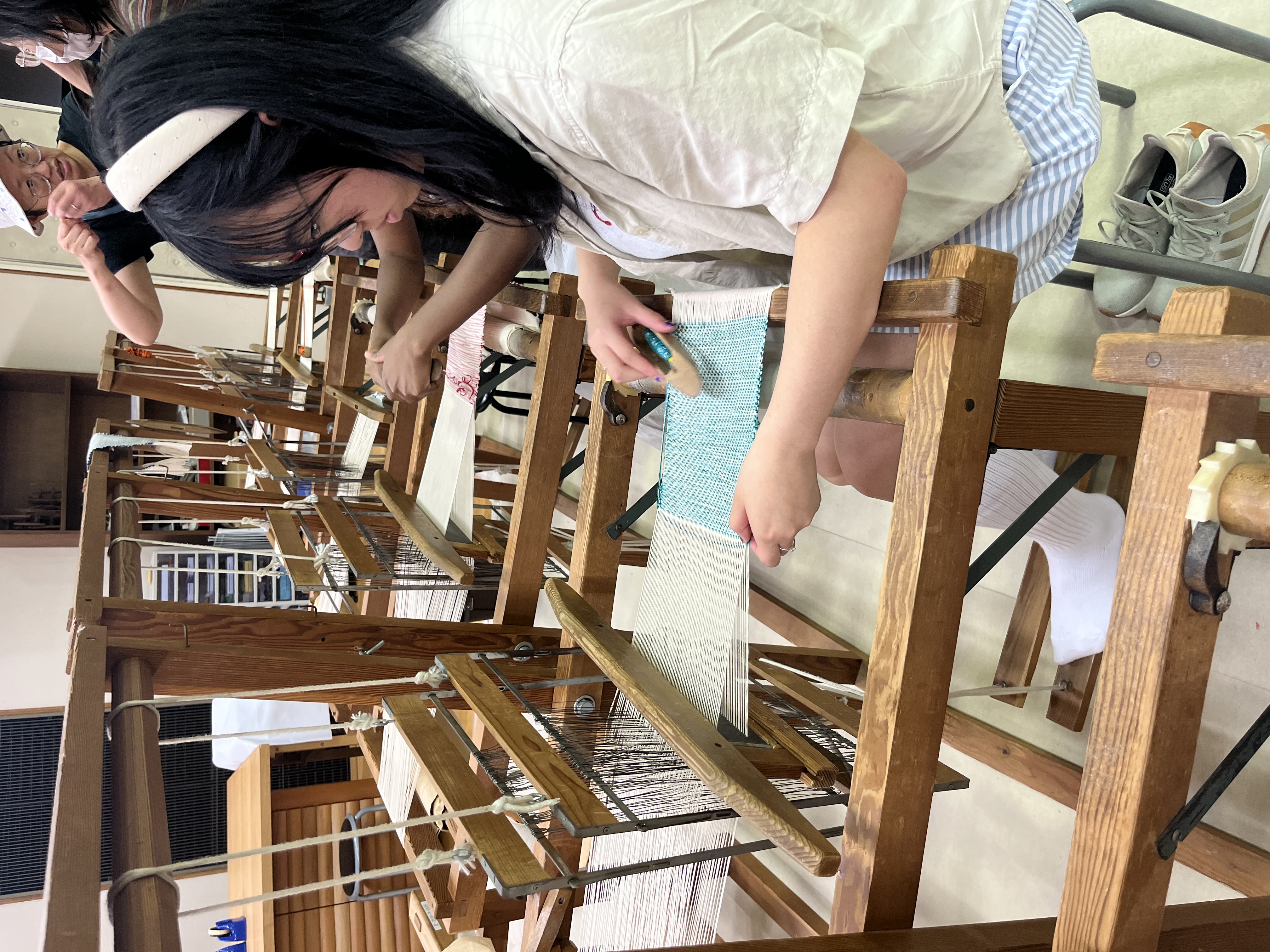
When we are talking about clothes and their price, we often think about things like beauty, prestige, and trends; however, rarely (if ever) do we think about the labor that went into their creation. For a while, it was difficult for us to understand the reasons why certain clothing items could cost upwards of a hundred dollars. However, today, we attended a weaving workshop at the Nishijin Textile Center and found that the work that goes into making the most basic form of fabric is incredibly labor-intensive. So why had we not known about this before, despite the fact that fashion and clothing have become so intertwined with self-expression? This phenomenon is called “invisible labor,” which is labor that is unseen, unrecognized, and/or undervalued in the production of a product. We will be exploring how labor goes unseen in the production, pre-production, and post-production processes of a product’s creation.
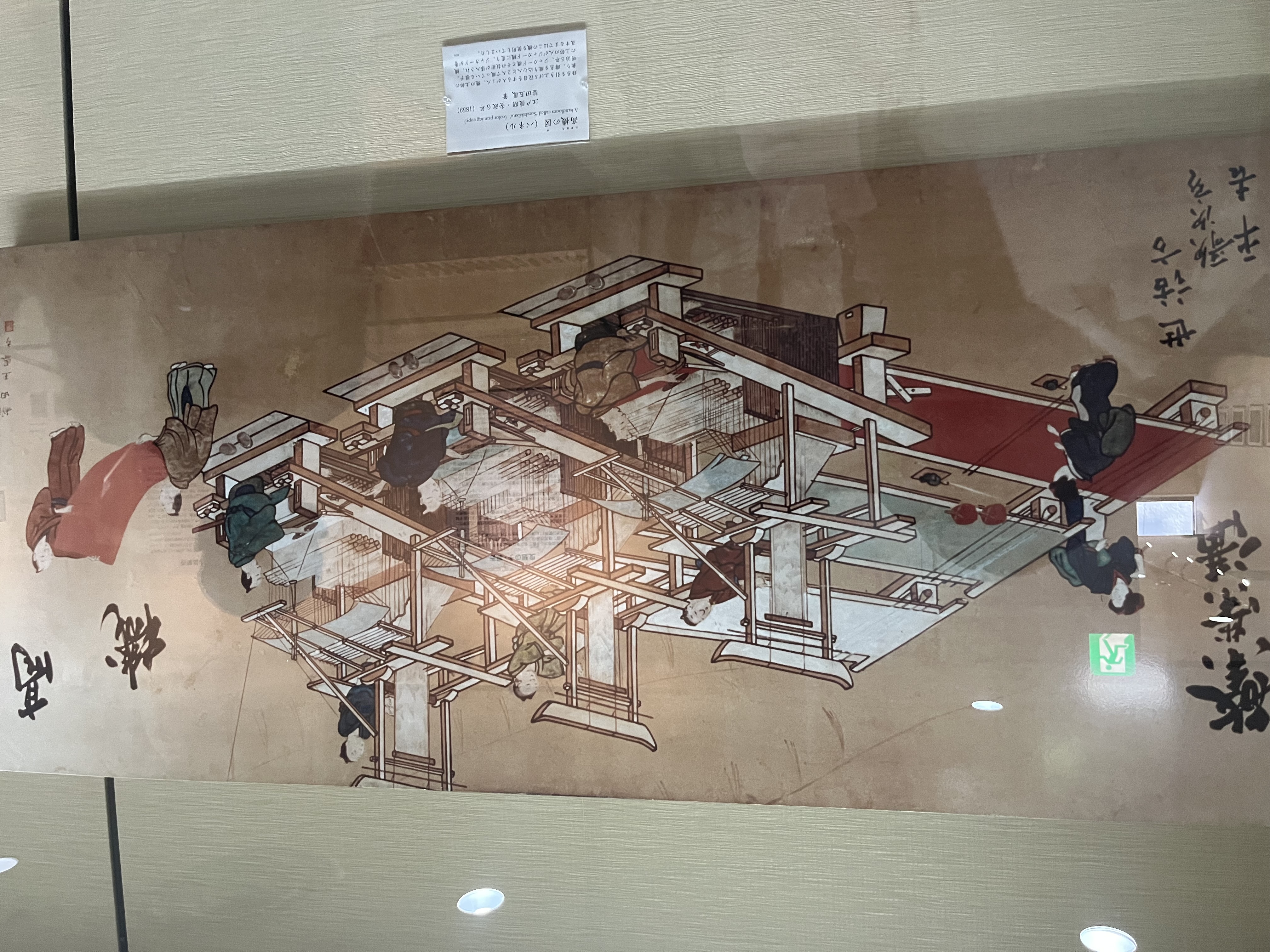
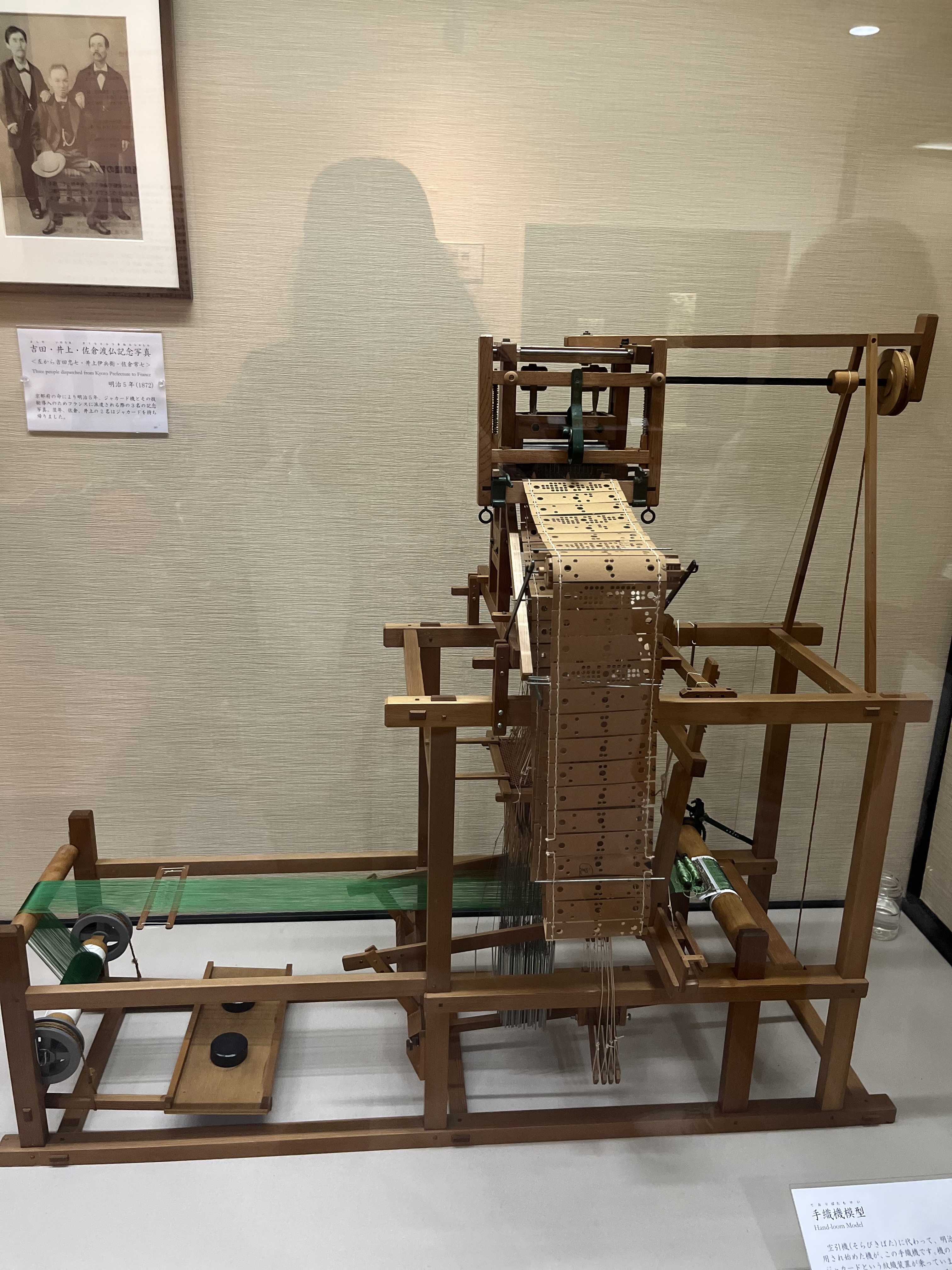
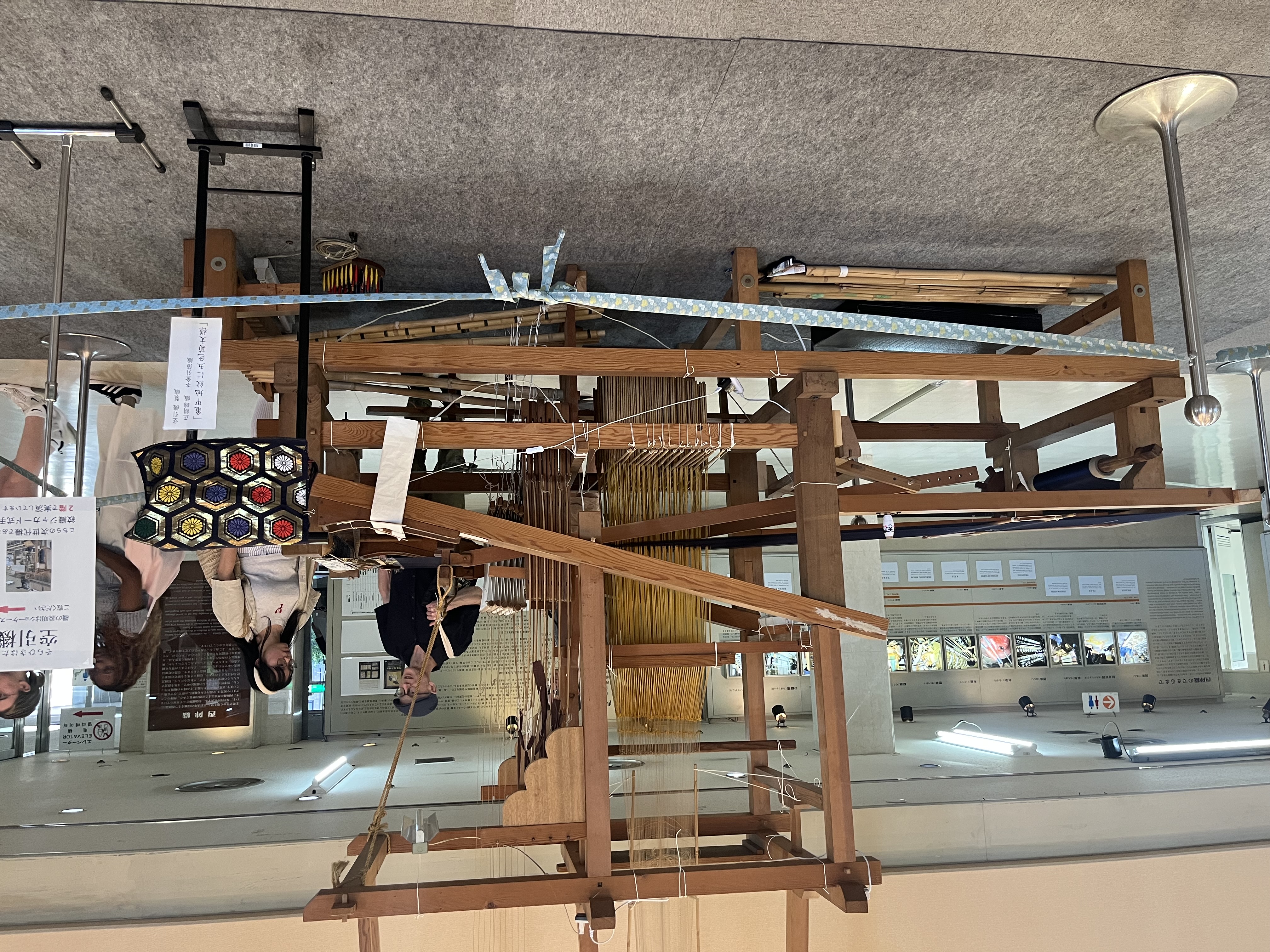
In visiting the Nishijin Textile Center, we were taught the very simple basics of an age-long practice of clothmaking known as warp and weft. Warp and weft, which is known as tate-yoko (縦横), is the process of overlapping vertical (warp) and horizontal (weft) threads, alternating the needle in each hand, then pushing it down to create the stiff woven pattern of a cloth. This practice is not exclusive to Japanese garment making; however, their adaptation of the craft is truly admirable. There are many steps in the process of creating a garment, and many people are needed to complete it. In the archives that they took us through, we saw the change over time in the process of weaving in Japan. In the Edo period, with the tate-yoko machine, Japanese weavers used the sorabiki-bata (空引機), which utilized multiple people: one at the seat, one at the loom interchanging the thread, and one smoothing the threads out. This changed in the Meiji period with the end of sakoku (鎖国), Japan’s selective self-isolation policy, which allowed for the entry of more players in the Japanese trade market than there were before, including the French. The French brought in the jacquard, which improved upon the sorabiki-bata and reduced the required manpower from three to one. This change over time is a process that repeats itself continuously as we develop more technology and become more efficient. In doing so, however, we also run the risk of reducing the visibility of the labor.
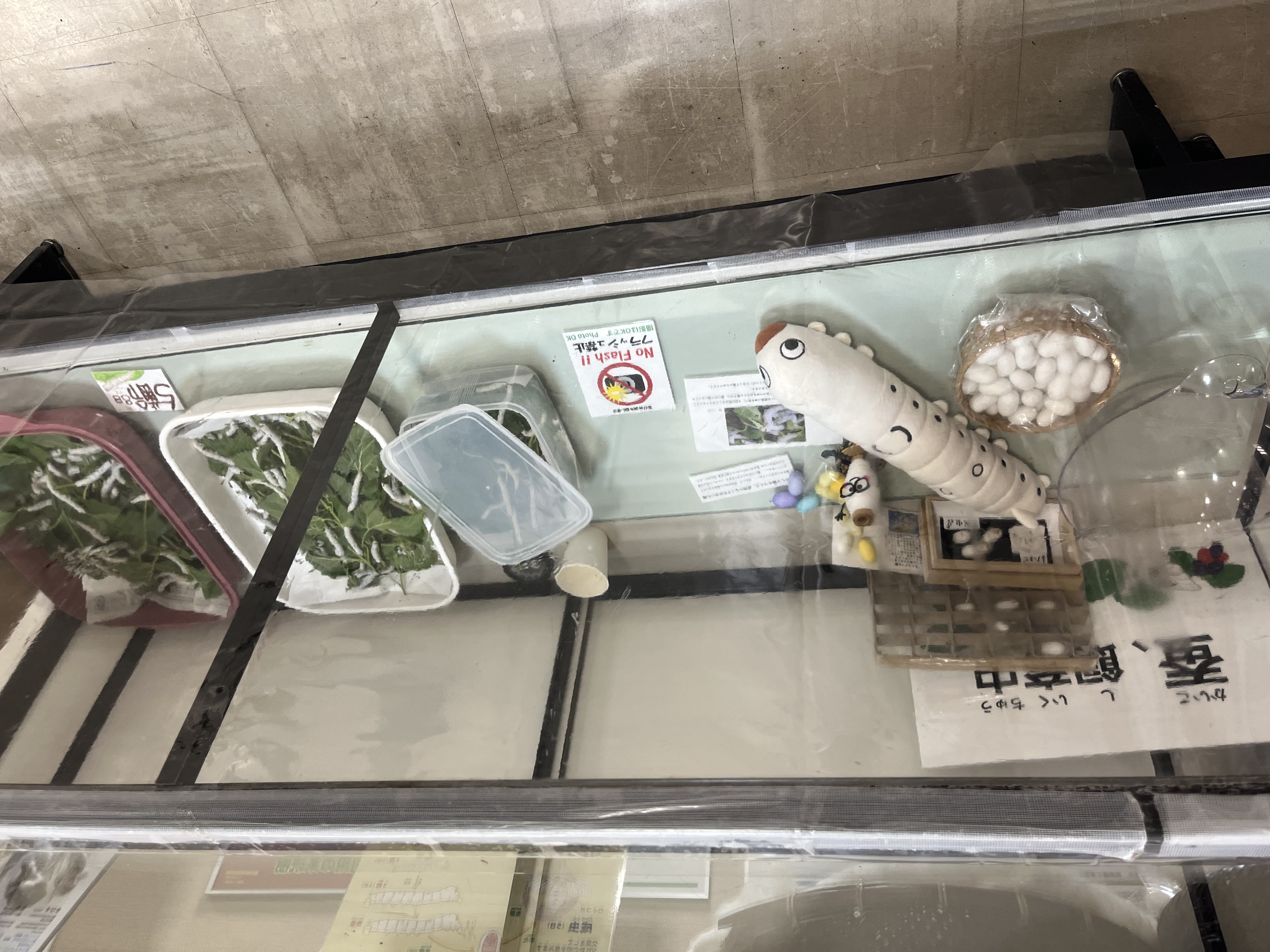
Invisible labor, as we’ve found out, starts from the very beginning with the production of silk itself. We saw that the Nishijin Textile Center was trained in sericulture (the agricultural practice of producing silk using silkworms). In traditional practices of textile making, silkworms were bred and raised until they formed a cocoon. While we now have the technology to extract the worm from its cocoon without harming it, silk worms used to be mass-killed in order to produce the soft fabric. This process of raising and killing silk worms was very difficult, making silk a more expensive commodity. While this company is vertically integrated and appears to produce its own silk, in the Edo Period, silk was most likely either outsourced from nearby countries, such as China, or Japanese farms. This means that labor was also required for importing the silk to the weaving companies. From there, products made by weaving companies would have to be transported to a clothing store before finally reaching consumers. When it’s laid out like this, it feels obvious as to why clothes would cost so much, and yet it isn’t, because these facts are rarely ever explained to us.
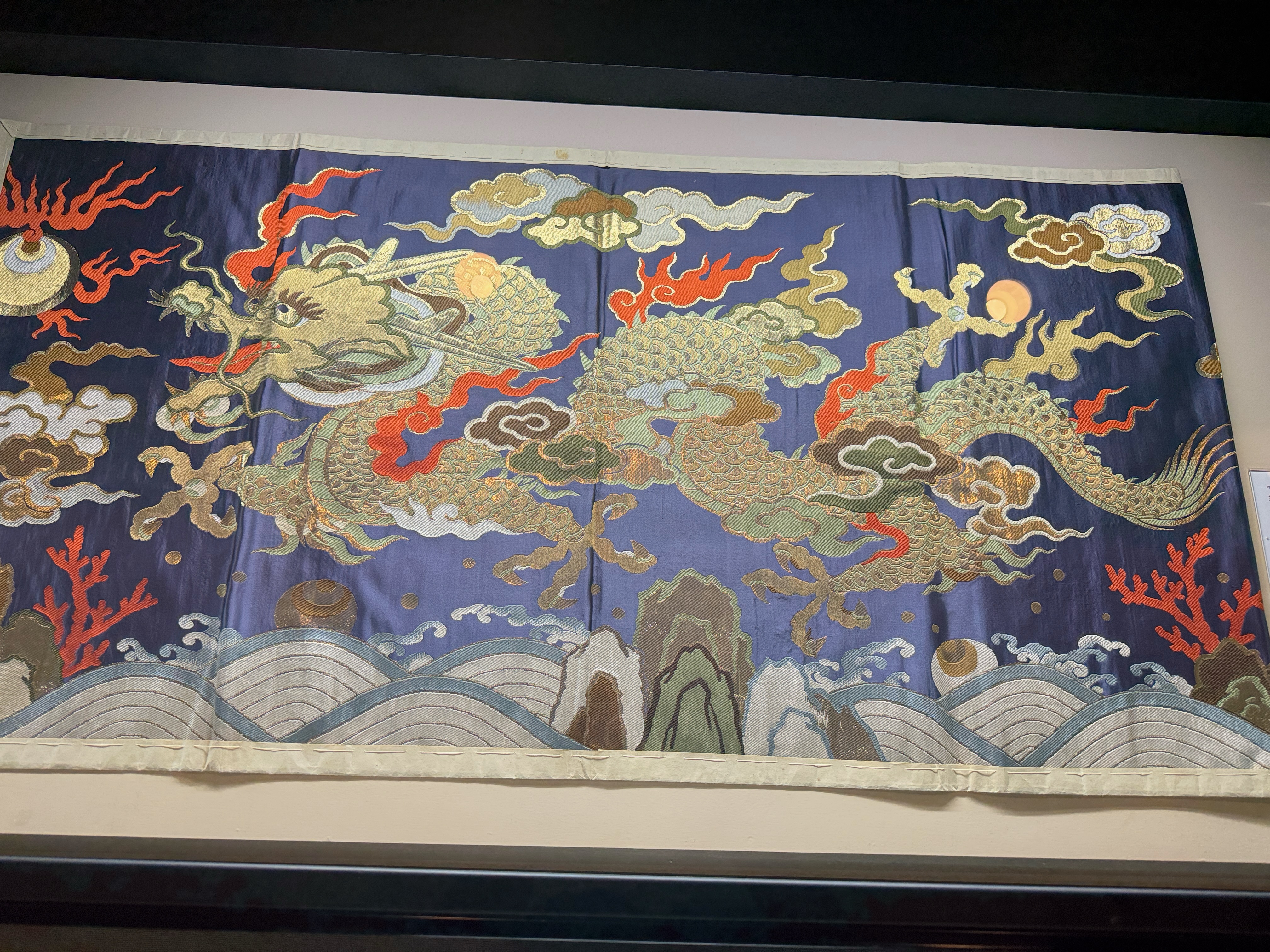
Similarly, when we visited Maruwa Textiles, we learned how they make their products and all the thought, care, and effort that goes into the creation of a simple shirt (Blog post on Textiles). Maruwa thinks about things that we wouldn’t have thought about otherwise, such as the direction of each stitch and a new kind of fabric that follows the “wrinkles” of our skin. While the Nishijin Textile Center may have given us an example of an older form of textile manufacturing, both Maruwa Textiles and the Nishijin Textile Center are examples of labor that requires discipline and patience in order to produce a quality product. At Maruwa, each worker has to be trained to mastery on ten different machines. At the Nishijin Textile Center, they must study for several years to develop the skill needed to create the intricate stitching the company is known for. Both practices represent the importance of valuing each worker and how when creating a high-quality product, precision and cohesion are required. When considering the care that goes into garment creation at both companies, it further highlights the ways in which the majority of our consumption does not value labor.
To conclude, when grappling with high prices in an exploitative capitalist society, it is important to consider the labor that goes unseen. Whether it is unseen due to unintentional ignorance or the intentional erasure of their efforts, as consumers, we must remember to think about who and what came before. If we remain blind to the importance of labor, we risk losing the integrity of the products we are consuming.