By Gabby and Cristiana
Throughout our trip in Japan, we have seen a recurring theme of value in the lives of the Japanese: Shintoism’s value of the given environment, Buddhism’s value of the body and self-temperament, and the value of materials/garments in conjunction with the body as a temple, etc. These are all valuations that shape how we see Japan today, and garbage is not exempt from these valuations. When thinking about garbage, we often think about things that are “waste,” and waste refers to something that is discarded, a byproduct, or something that no longer has any value. The world’s perception of Japan is often that it is an extremely clean country, and one that may not have public trash cans to keep a space clean, but rather through a collective civic duty. What does this civic duty really reveal at its core? It reveals a collective valuation of not the materials but rather the country itself.
This collective civic duty did not come about by chance but was a form of statecraft. Post-World War II, Japan’s economy boomed, and with it, there was an influx of mass consumption that created waste, which became garbage. This started filling and choking the country in certain areas like Kōtō, which had heavy amounts of garbage sent there from the wealthier cities.
In response, Tokyo Governor Minobe Ryōkichi declared the “Garbage War” (gomi sensō) in September 1971. He made the problem visible and deliberately requested that incinerators be used to get rid of the unsightly buildup of garbage, since Japan is already short on land. The governor decided to reframe garbage as an environmental problem rather than simply a hygiene issue, and they started to shift the language from “we are cleaning up the filth” to “we are beautifying the city and improving our health.” Health and the environment are very important to Japanese citizens through their customs and religion, with Shintoism and Buddhism both prioritizing the natural environment and the body as a temple. This frames how we speak about civic duty, its reliance on an already established underlying system of valuation that supports the state-crafted idea that garbage, waste, and filth do not fit in with “Japanese” values. So, as Japanese people who value nature and purity, impermanence, inner peace, and compassion for all living things, there is discomfort with things that are out of place and “wasteful” or discarded being in spaces that we value.
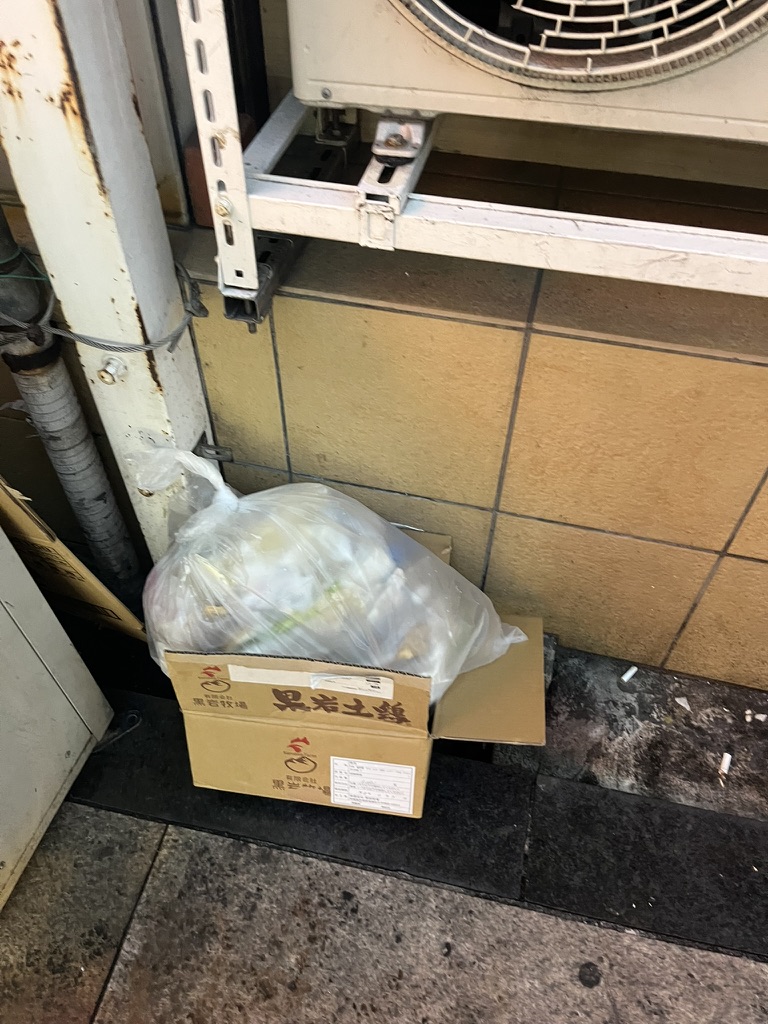
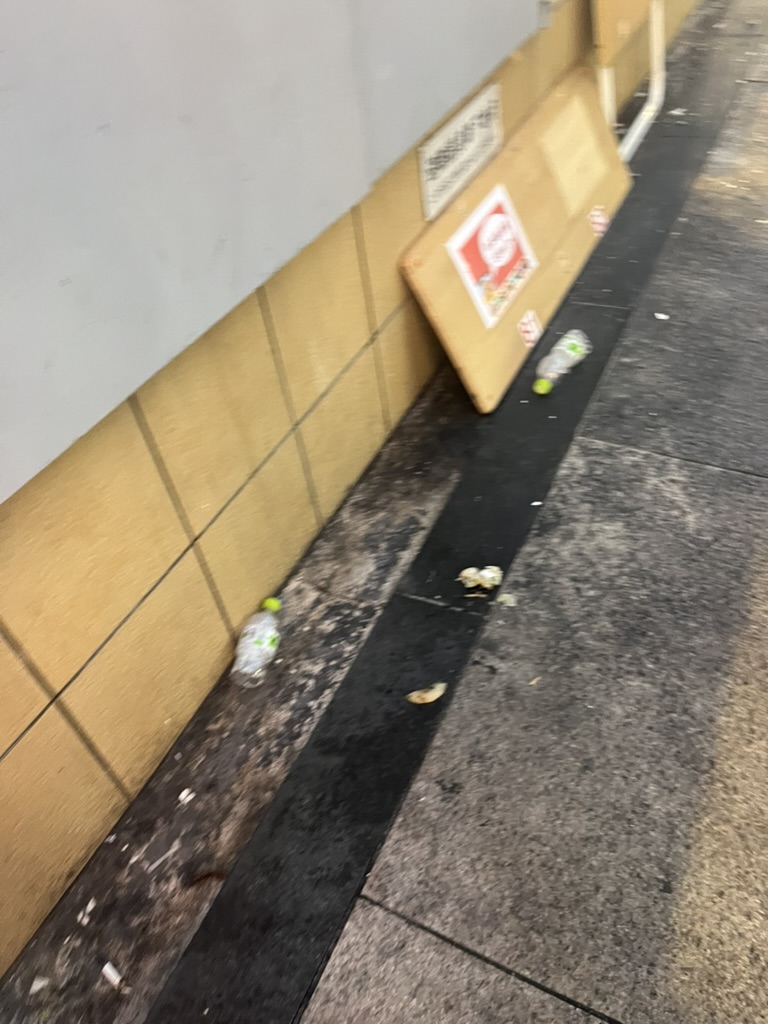
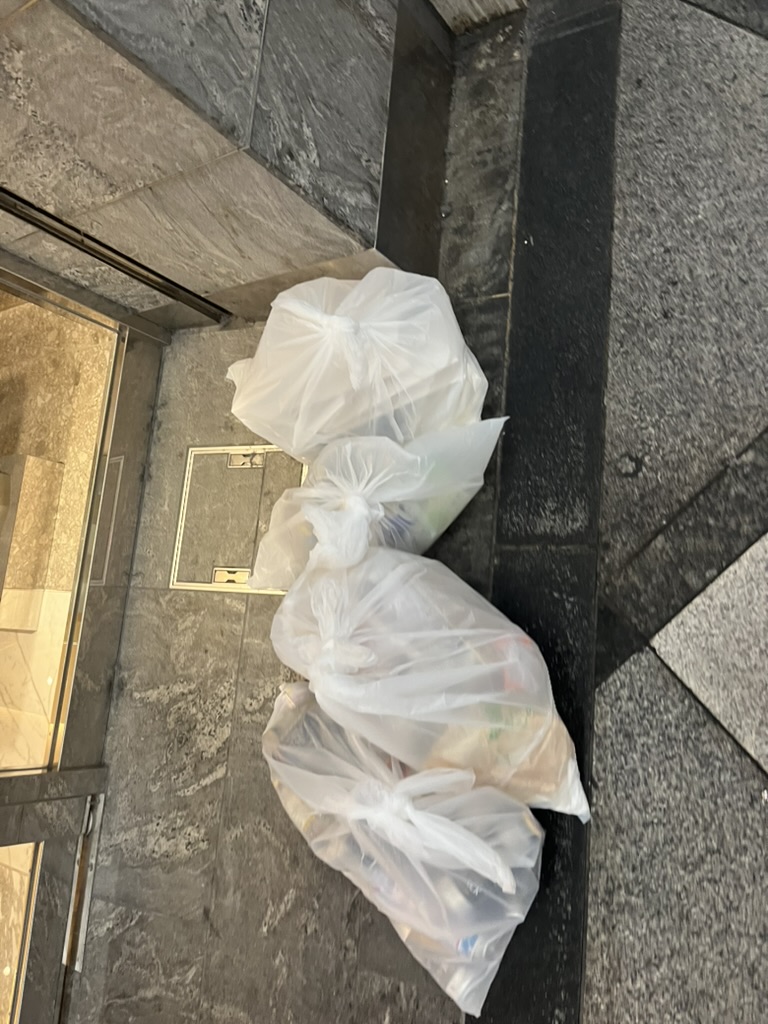
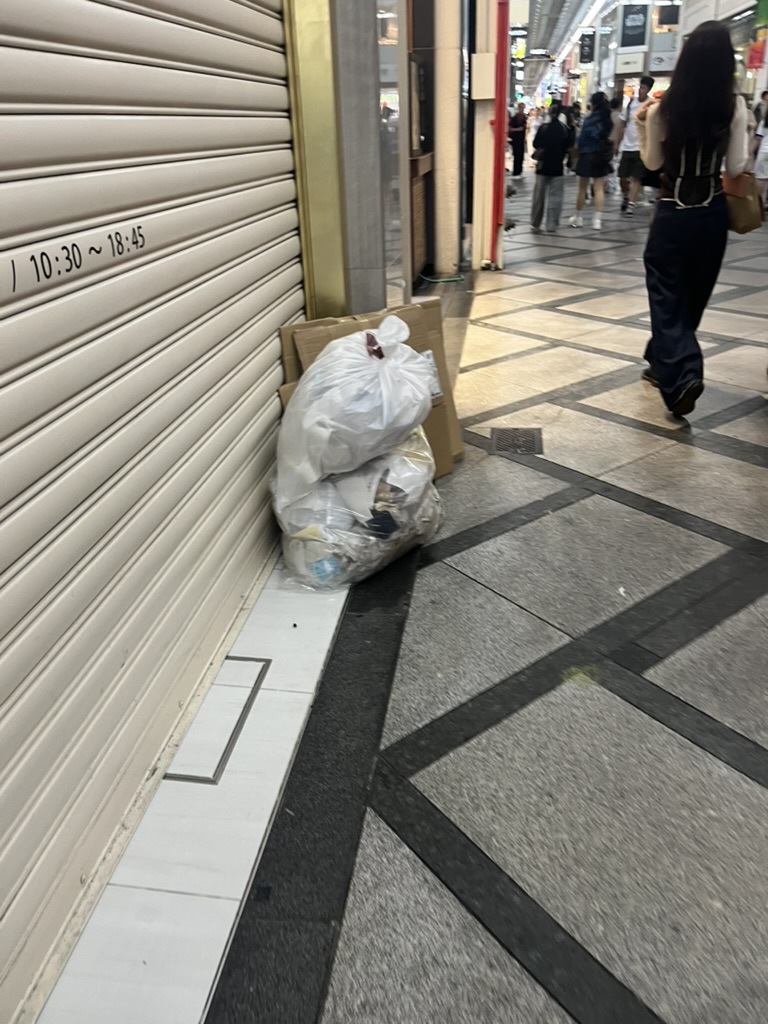
This shapes how we see garbage in Japan today. Unless you are in the extremely touristy areas where there is a high density of people in often small spaces, you will not see garbage sitting around haphazardly. Rather, you will see garbage tied up, often in rows, or arranged in a way that is not in walkways or in front of shops, but to the side and out of people’s way, which itself shows a valuation of space