By: Nilay Ernst and Cristiana Land
Shinto Shrines
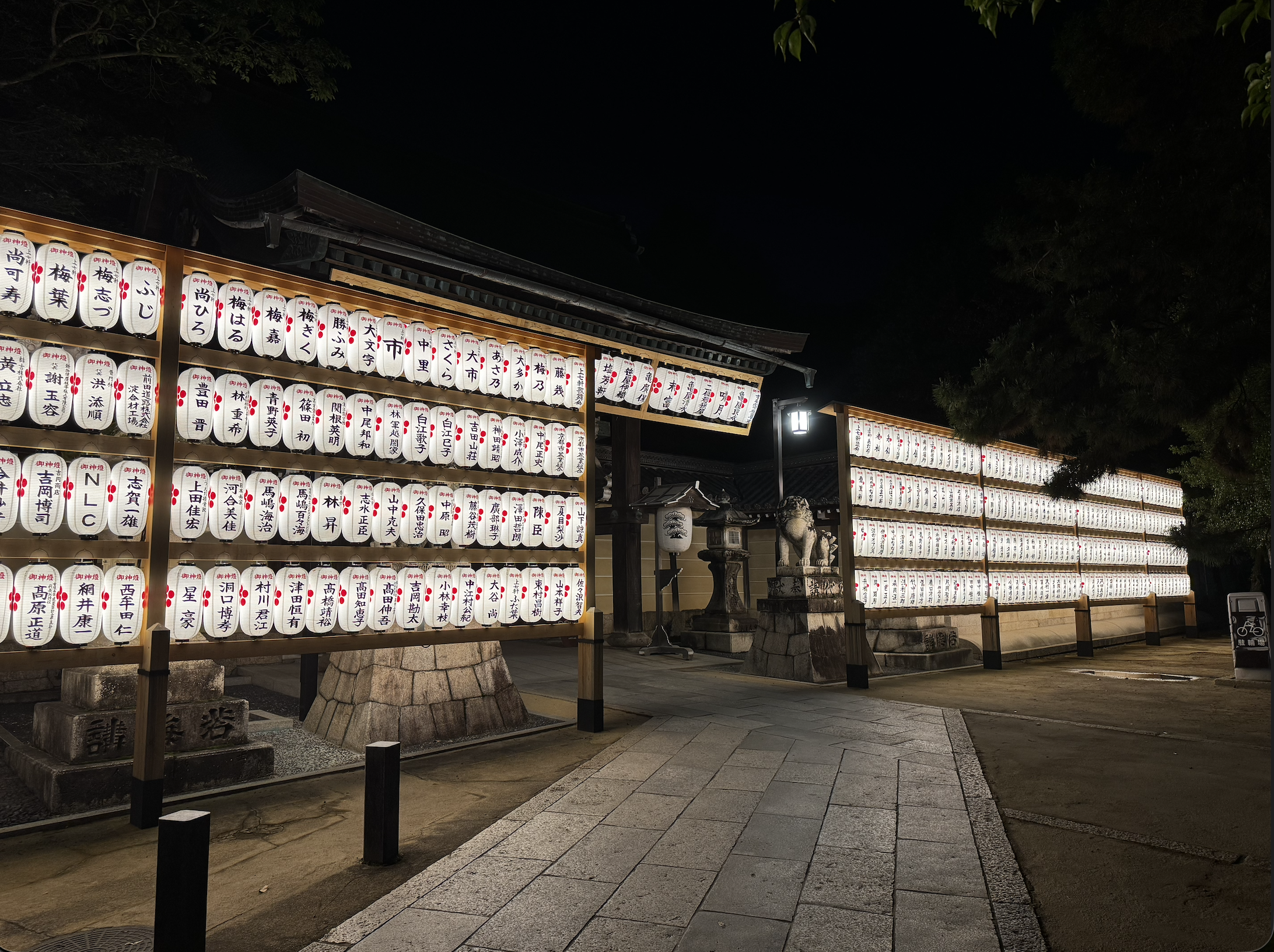
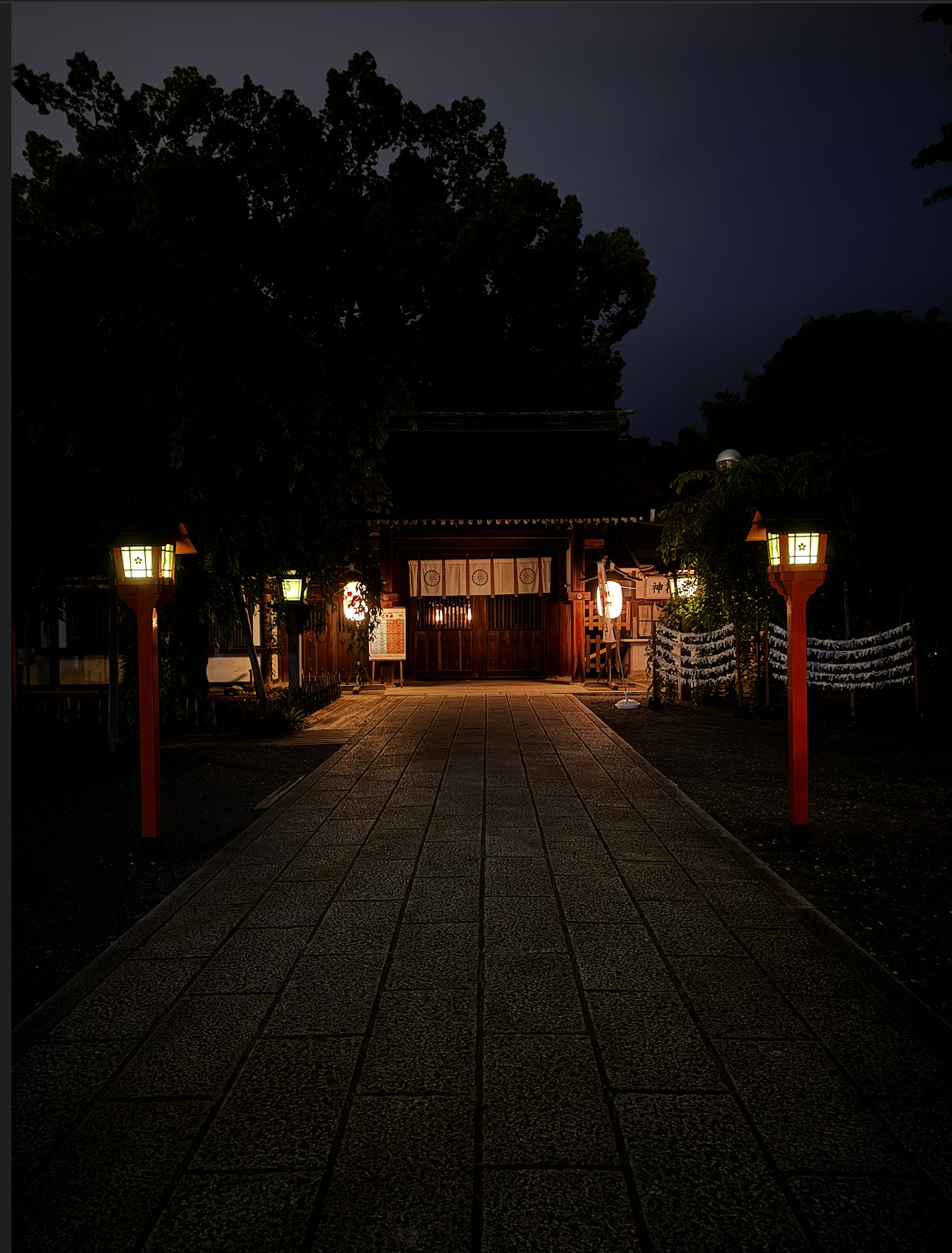
Today we finally got to enjoy our first full day in Kyoto. After spending time learning some Japanese, we went out to explore some parts of Buddhism and Shintoism around us. Luckily, there’s a Shinto shrine two minutes away from where we’re staying. It was interesting because this one looked a little different from the Meiji Shrine. The front gate was surrounded by lit up lanterns (I went at night which I think was great for this picture) called chōchin. These lanterns are often placed at the entrance of shrines and act as bridges between reality and the spiritual realm. I couldn’t go into the shrine at this time but I was able to walk over to another shrine that was more open.
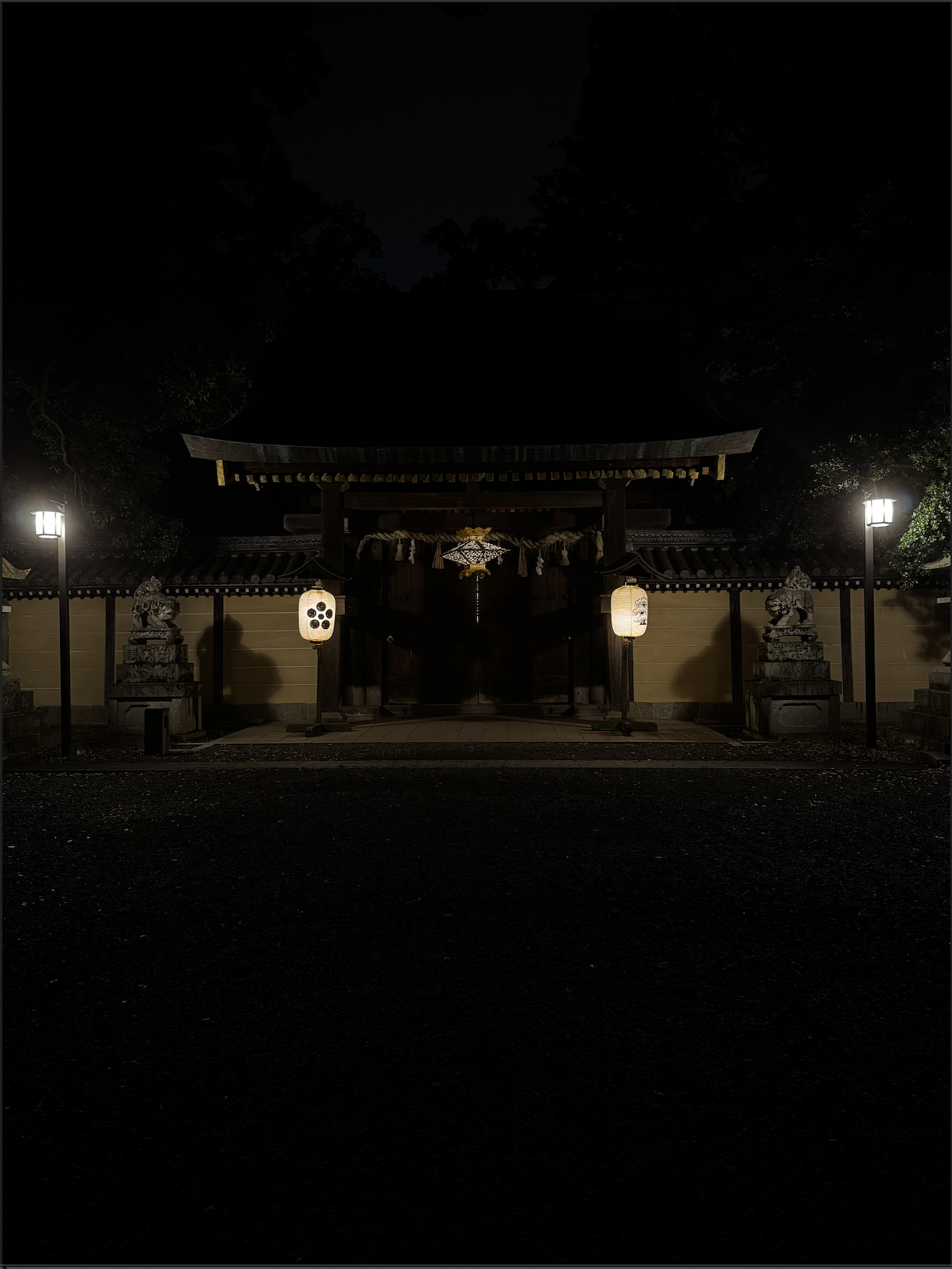
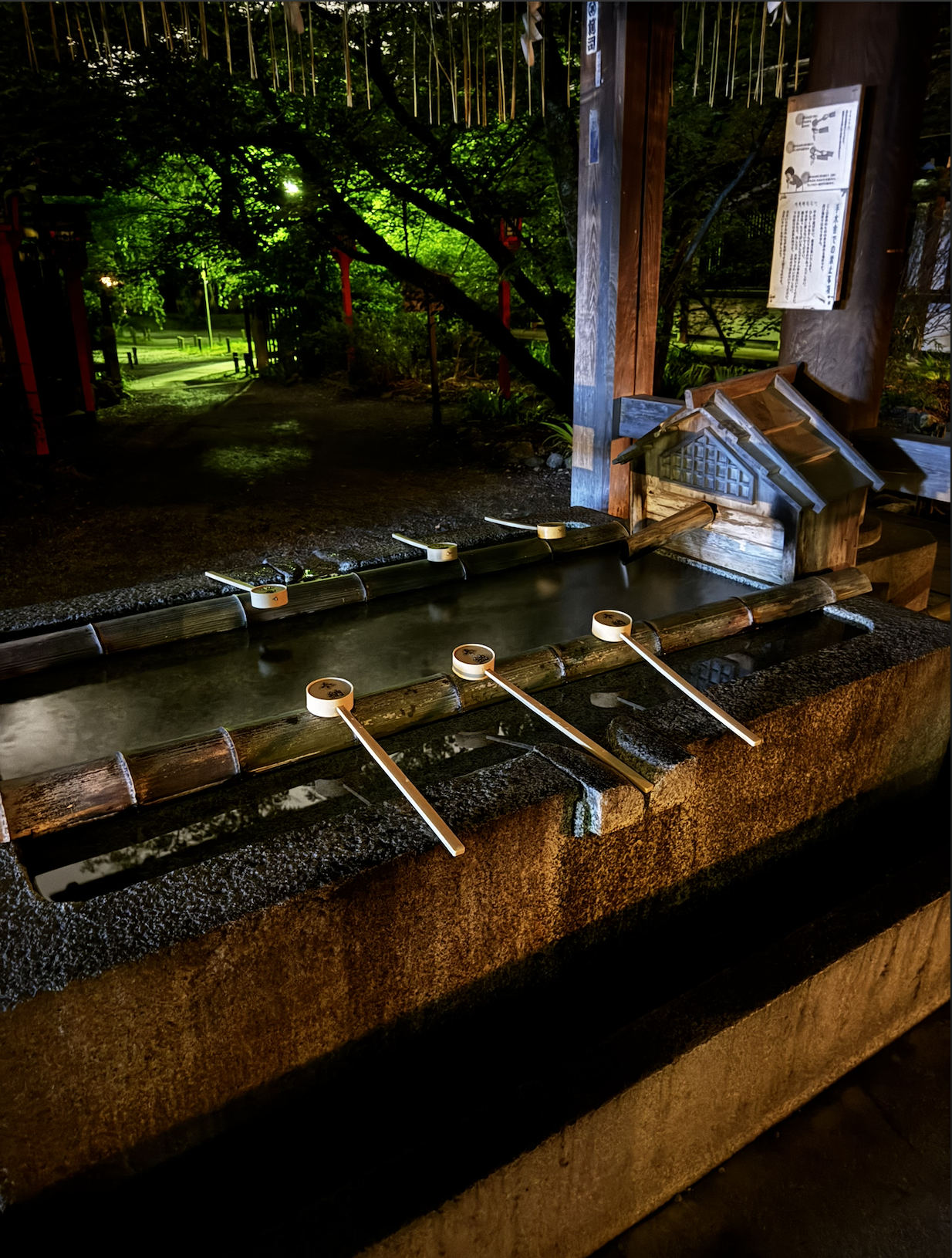
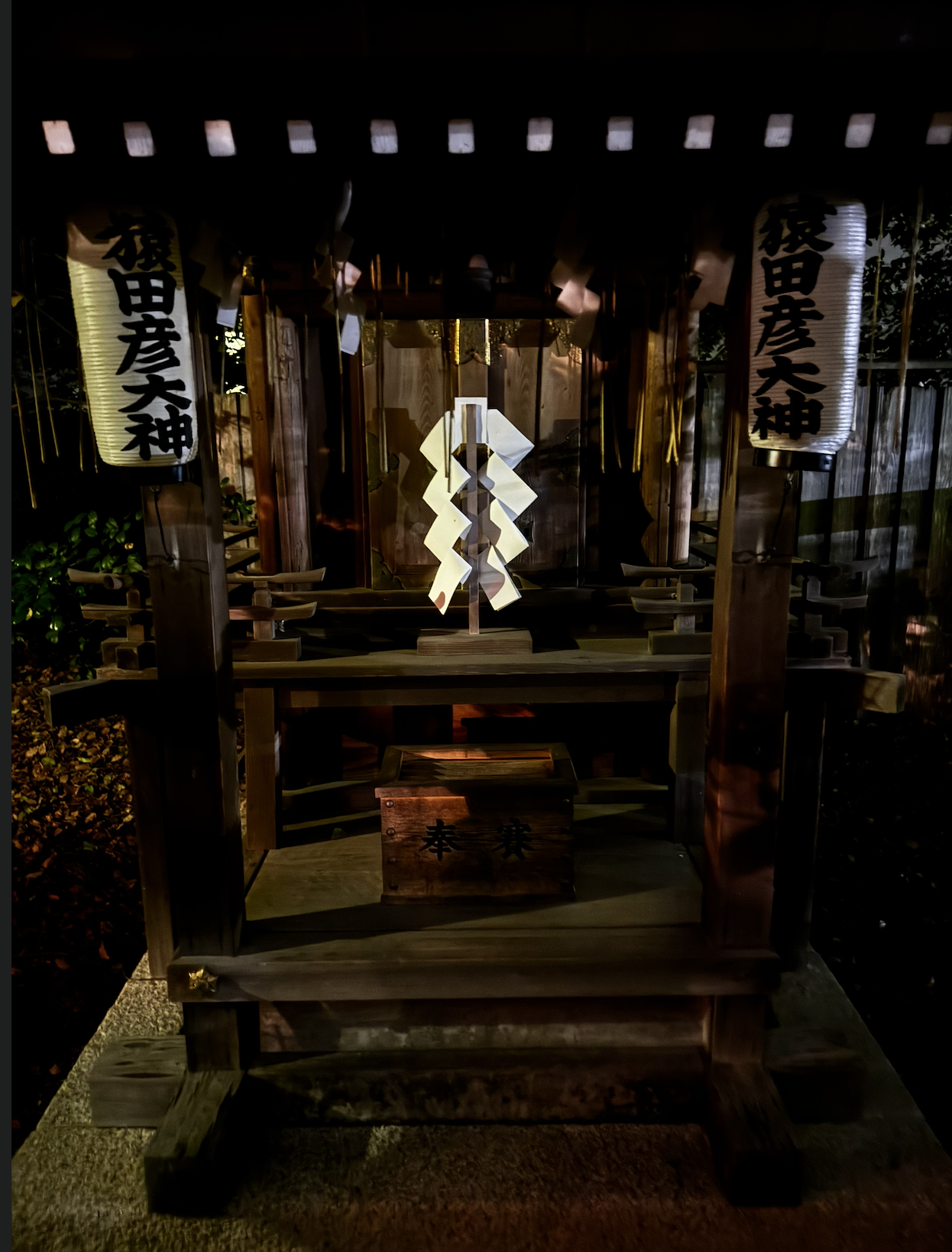
The second shrine was very close to the first one, but it had some different aesthetics from the first one. Most notably, there was a water purifying station different from the Meiji Shrine. This shrine had the ladles that one would use to pour water on their hands during the purification ritual in order to cleanse yourself from your sins and be able to present yourself to the kami (gods). Both shrines had similar vibes, but the second one had a stone by the front gate, which seems to symbolize a memorial. Lastly, we discovered a mini shrine by the memorial. These shrines don’t have a set look, coming in all different shapes and sizes. Even though there are differences, each shrine serves a purpose to guide those who pay respects to the kami.
Rokuon-ji Buddhist Temple
It was interesting to see the Rokuon-Ji Buddhist Temple, nicknamed The Golden Temple Pavilion. Unfortunately, the inside of the temple remained closed to visitors, so we were only able to get an understanding of what the inside looks like through pictures outside. It was really crowded with tourists, but the temple itself was incredibly pretty. It was interesting to see how the temple contrasted with the lesson we had today about Buddhism. Buddha strongly believed that desire would lead to suffering, but despite this, the temple was covered in gold. It was interesting how the temple charged a 500 yen fee in order to enter. This contrasts heavily with how most temples or similar locations in Japan are free to visitors, including even most Shinto shrines. The Phoenix on top of the temple symbolizes rebirth and transformation in Buddhist ideology. Outside of the temple itself, it was interesting to observe other aspects of Buddhism. For example, we were able to see the White Snake Pagoda outside as well as a waterfall. They represent a connection to nature in Buddhism and are often associated with meditation.
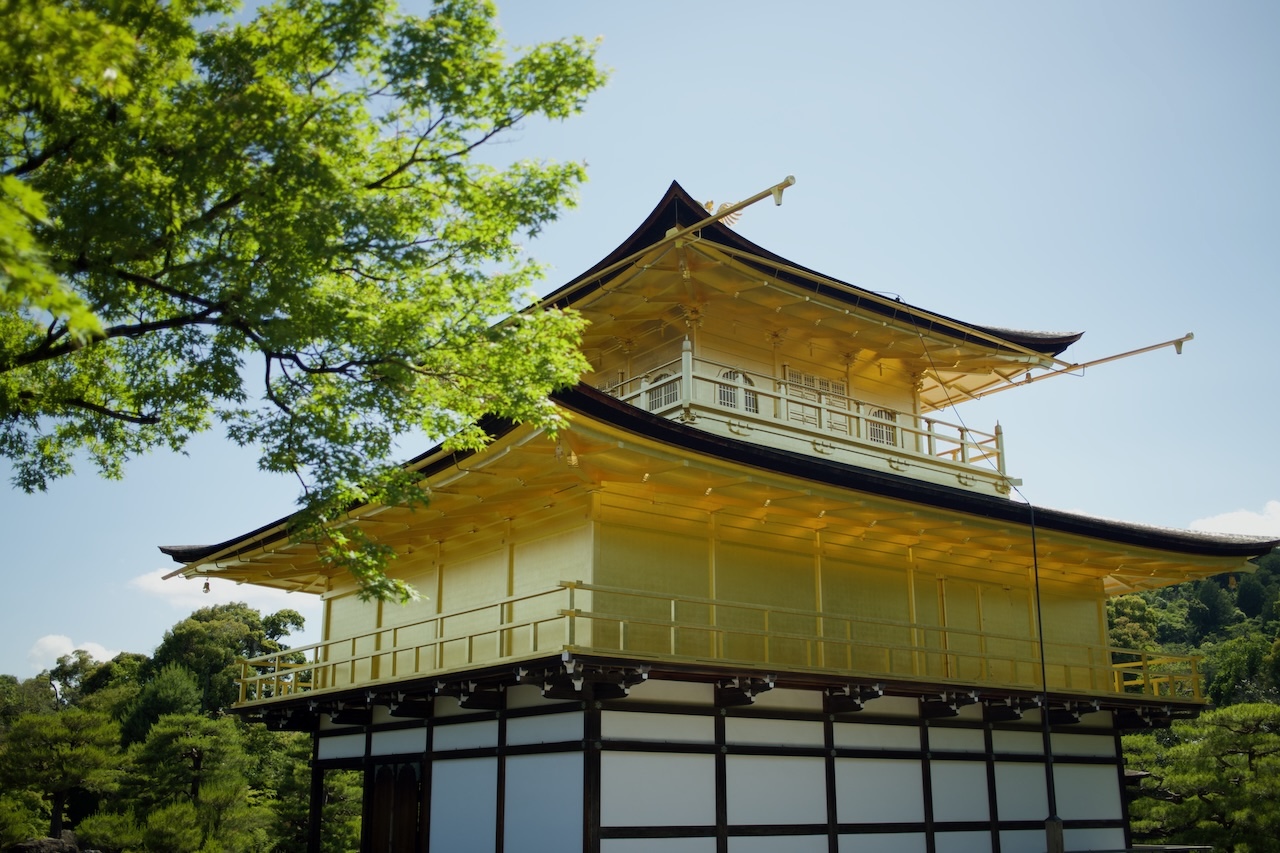
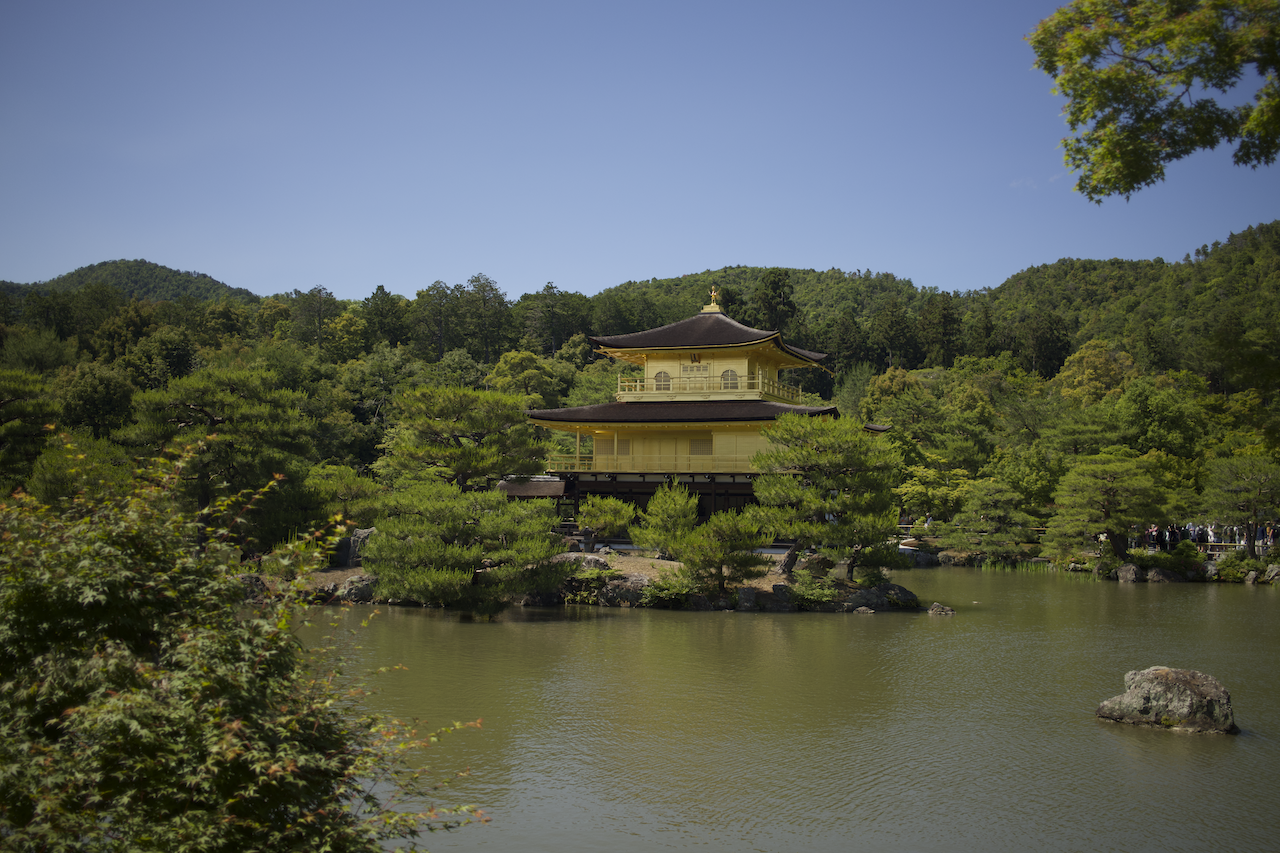
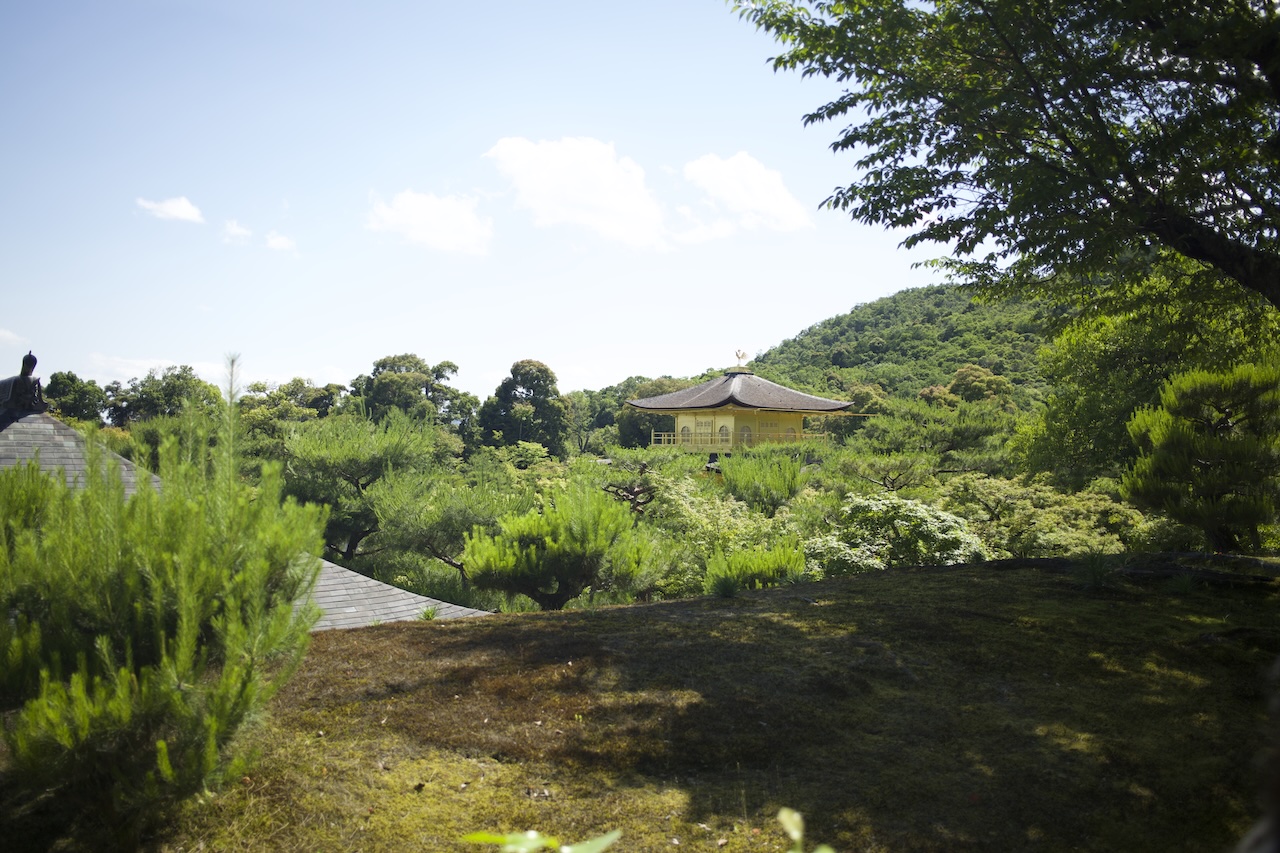
Pictures of Rokuon-Ji Buddhist Temple