May 22: Edo Tokyo Museum Day
Akua and Gabby
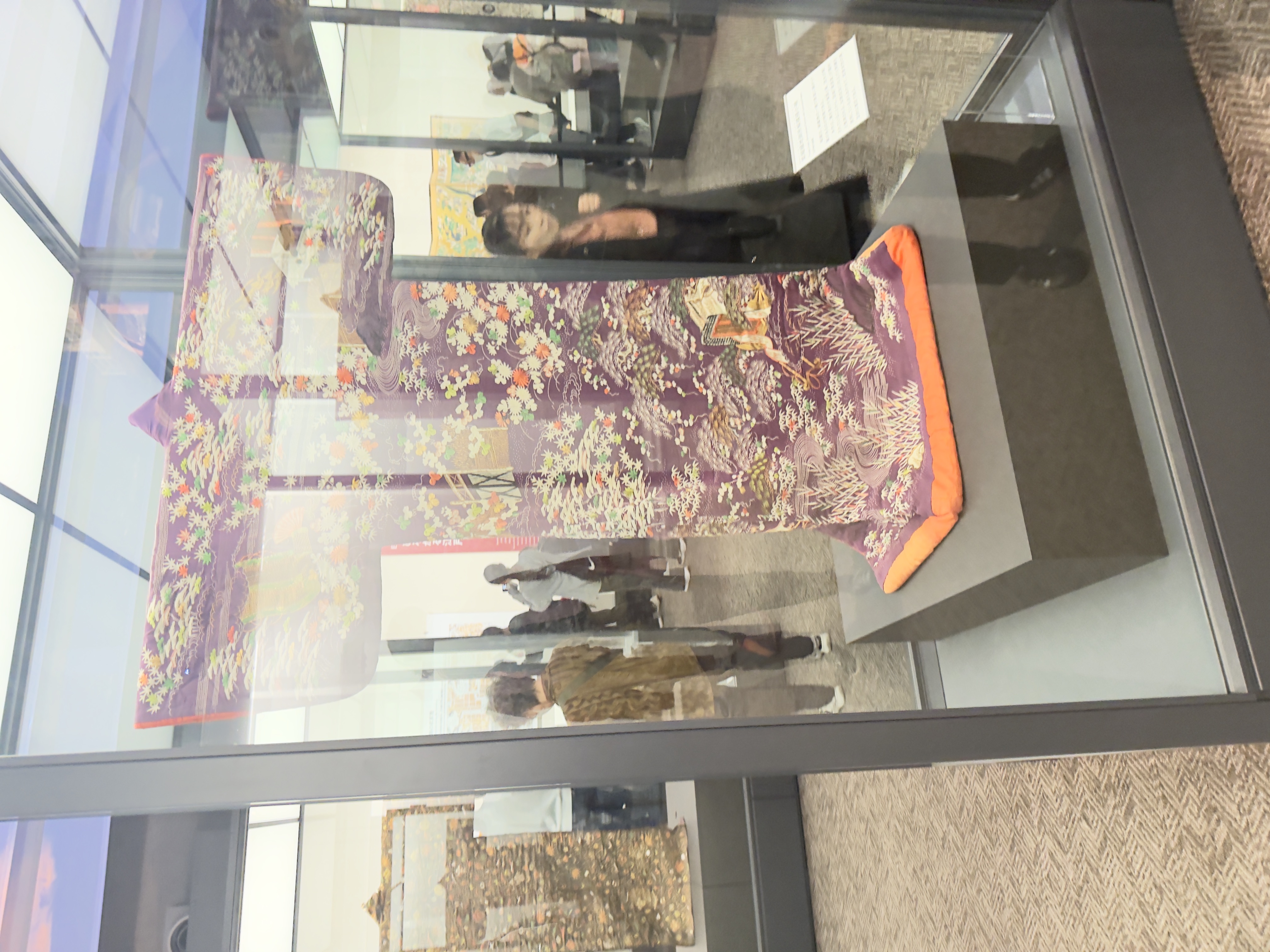
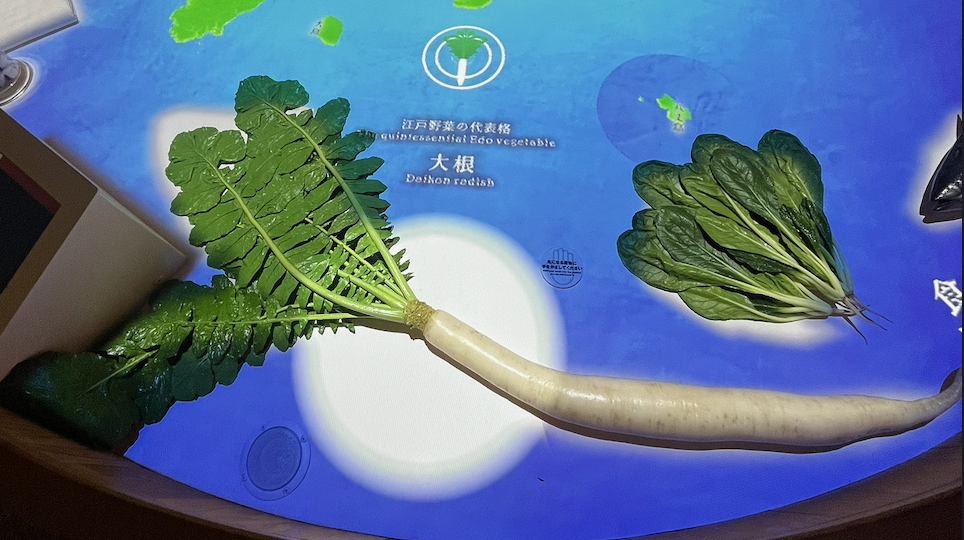
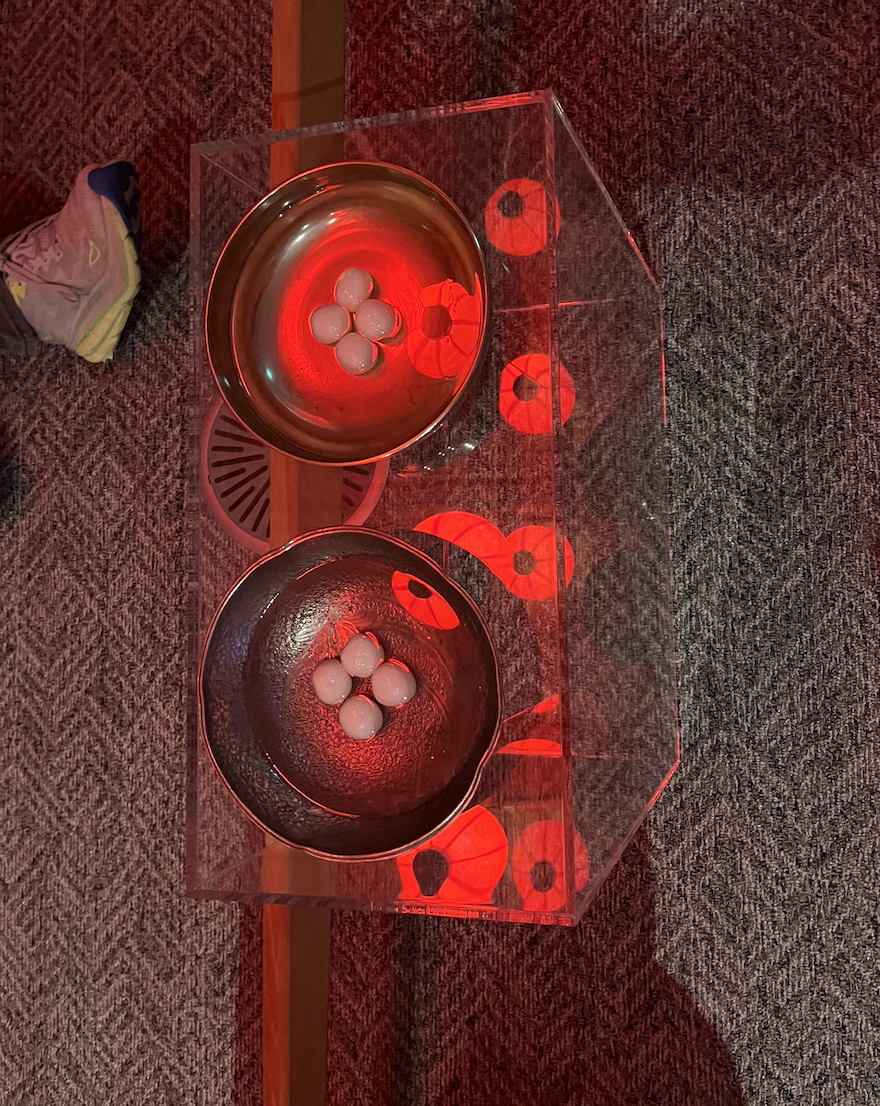
As a group, we delved deep into the fascinating Edo period by exploring the newly renovated Tokyo Museum, which depicts the period spanning from 1603 to 1868. This period was known for its unprecedented peace due to the hierarchical chain that took warriors off the battlefield and into aristocratic seats of government. The reigning shogun of the period was Tokugawa Yoshimune (who lived as long as his rule), who imposed internal isolation on Japan to avoid war. In spite of this, Tokyo was a thriving city with a bustling culture, and its life was supported by commodities that helped shape the distinct features of the Edo period. As we explored the museum, we discovered 3 commodities that were part of the lives of Edo citizens, such as medicine, textiles, and sugar.
A commodity is a raw material or primary good used to produce other goods (products). In the Edo period, the commodities in medicine were not branded products; they were raw materials that became medicine in their use. During this period, there was one superfood that took on this role, with locals calling it “the doctor of the kitchen” or isho-goroshi; this was known as the daikon radish. It was given this name because it was known to prevent indigestion, respiratory issues (e.g., colds), and disease. Its medicinal properties turned a seemingly “simple” radish into a superfood that works as both nutritional and medicinal, safeguarding the people and adding to the long tenure of peace.
The second commodity we discovered was the use of kimonos as textiles. We saw a section of different silk kimonos from the Edo period. The kimonos did not have much writing next to them, but after doing some research, we found that the purple ‘murasaki’ kimono was originally made from silk. In early Japanese history, the color purple as a dye was a lawfully forbidden color for people of the lower classes because the color represented the imperial family and the high-ranking nobles. However, during the Edo period, the Shogun Tokugawa Yoshimune led the change in policies in agriculture, allowing the cultivation of the murasaki plant (which had purple dye) that became a way for townspeople to be able to wear the purple color. The lower class started wearing silk kimonos with purple accents as they were unable to attain large amounts of the dye; the commodity of purple silk kimonos was only available to the shogunate’s family. Later on, the color was popularized by Kabuki theatre because the characters wore or embraced the purple color as a symbol of defiance.
The third commodity that played a defining role in Japan is sugar. This commodity is now known as a cultural marker for the country, which is sugar. What was so fascinating about what is now known as a crucial phenomenon in Japan, sugar in the Edo time period was diluted into cold water with mochi balls floating on it, mainly for the shogun’s family; this also showed how difficult it was to access sugar, which mainly came from trade with the Chinese and the dutch thought he Nagasaki port, making the commodity of sugar a formally exclusive material.
To conclude, commodities play a large role in the lives of people, especially in cities with constant trade. A commodity’s use and popularity hold power; it can be like sugar and purple kimonos that are only accessible to the common few, or it can be like the daikon radish that served a role in medicine, and its gains in popularity only aided the population’s health and safety, regardless of commitment. It plays a significant role, and the functioning of societies and their niches does not go unrecognized.