By: Jessica Latham and Akua
A traditional Japanese tea ceremony is a practice that has been used since the Edo period after the importation of tea from China. As it was typically used among elites, tea ceremonies were a great method of establishing diplomacy between two parties. Depending on the tea type; whether formal of informal, the ceremony can take 45-60 minutes or even 2 hours. The ceremony begins with the group in the garden: with guests sitting, watching the host gather herbs to be prepared in the ceremony. Usually, there is a place for both parties to purify their hands by rinsing them with water- a practice we have seen at multiple locations in japan, especially, at Shinto shrines. The group then moves into a tea room, where the meal and tea is served to each guest. In this act, there are roles for both guests and hosts- both showing respect to each other through methods of consuming or giving to the other.
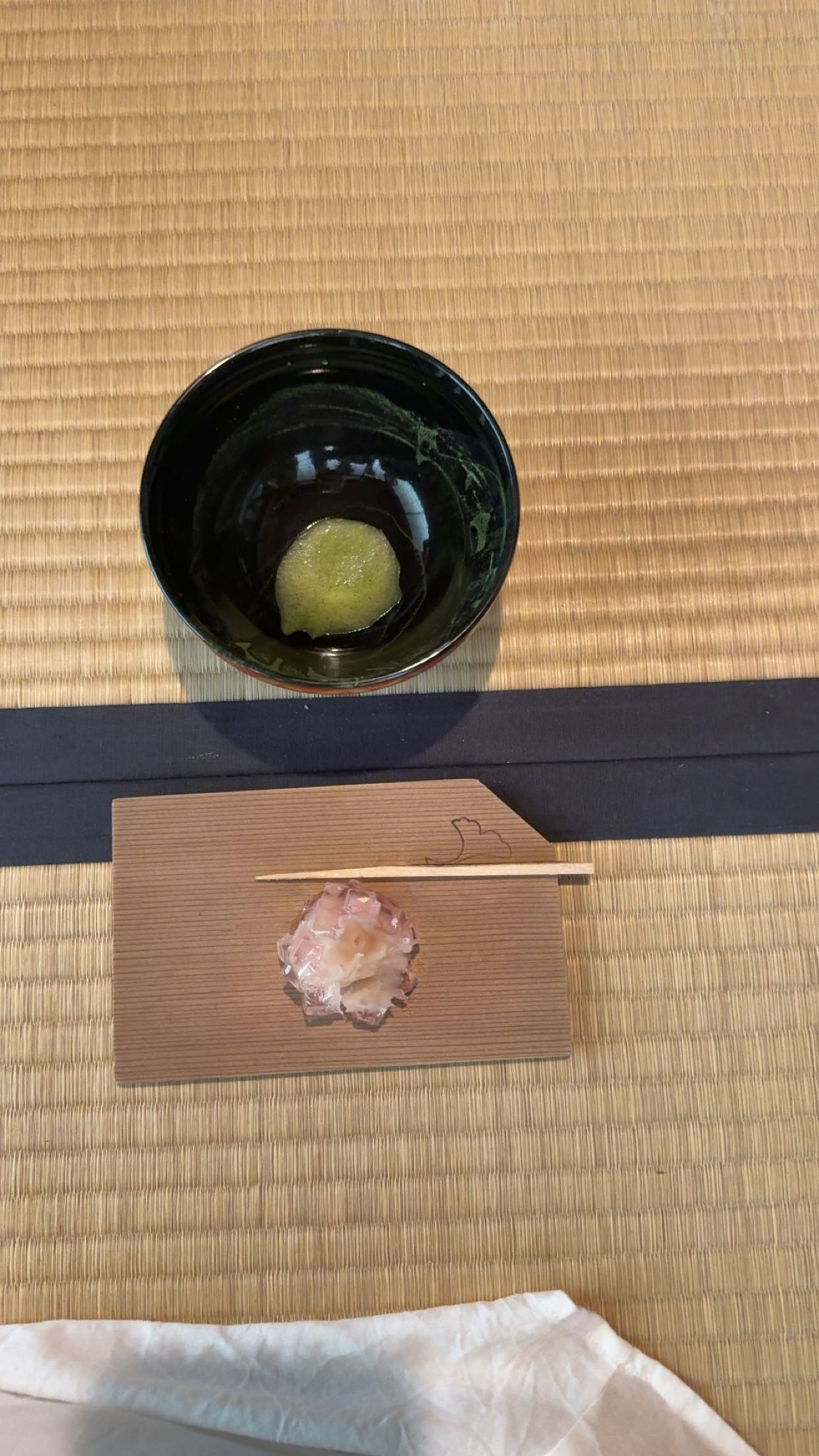
Tea is an important part of Japanese culture and many things played a part in the infiltration of tea in the country’s culture and lifestyle. The first is the role of women in spreading tea culture through education. The tea ceremony was introduced into Japan’s education system for women to teach them bodily discipline and the grace needed for the “good wife and wise mother” (ryosai kenbo) ideology. Another way tea became a very important part of Japanese culture is through capitalists who kept tea connected to power through media depictions and sales. They use their power to ensure that tea is trademarked as Japanese and known as Japanese. Lastly, we have the intellectuals who define what tea is and in a book called “The Book of Tea” there are depictions of the origins of tea and everything was translated for a wider audience. This book and other works and conversations opens the world up to tea in Japan and its importance and change from a state craft to a national pride.
We also discussed and learned about medicine in Japan. Kampo originated from China when Buddhist monks brought over Chinese medicinal texts to be interpreted, imagined and translated. Medicine, as a whole, typically has four main understandings: functions of the body, methods of diagnosis, treatment, and prognosis. With Chinese medicine and Kampo, no one is defined by their illness. Rather, they deal with the manipulation and maintaining of essential life energy: Qi (known in Chinese medicine) and Ki (known in Japanese Medicine). Overall, we see the national pride of tea and medicine in Japan and how much discipline, grace, and bodily connections are a part of Japan. More so, how global markets and healthcare impact the establishment of nationalized culture.