By: Nilay Ernst and Zach Joyal
History of the Zainichi and the Museum
The history of the Zainichi or Koreans living in Japan is incredibly complex. Originally, they came over to Japan from Korea to flee Japanese-occupied Korea. They fled so they would not get arrested by the Japanese or fined by them. Japan had occupied Korea previously, but most of the Zainichi had fled from Japanese-occupied Korea from 1910 to 1945. The main reason that they ended up in Utoro is that the construction of an airfield took place in 1940. This was a chance to take a job in Japan and to flee the Japanese Army in Korea. In 1945, the construction of the airfield came to a close as the Second World War had ended. The Zainichi remained in the area despite the war ending. Then, in 1987, Nissan ended up buying the land that the Zainichi were living on. This became a problem in 2000 when the Japanese Supreme Court ruled that they had no legal right to remain residents of Utoro. This forced many residents to return to Korea. In 2001, the UN demanded that Japan take corrective action for the mistreatment of the Zainichi. Despite all of these actions, the Zainichi still ended up living in poverty. So as a result, in 2005, fundraising efforts from Korea started, and in 2007, Korea sent 3 billion Korean Won over. In 2018, the poor housing conditions came to an end with the demolition of the houses in favor of better housing.
The Utoro Peace Memorial Museum opened its doors in 2022. It features three floors, with the first floor being a multi-purpose hall. The Second Floor features a permanent exhibition on the history of the residents of Utoro and the struggles that they faced. The third floor is a space that is reserved for special exhibitions. Currently, the museum features an exhibit about Koreans who survived the atomic bombings of Hiroshima and Nagasaki. The top floor features a rooftop observation of the neighborhood. Finally, the outdoor exhibit is a recreation of a Bunkhouse to show the living conditions of the Zainichi on the grounds of the airfield. Inside the bunkhouse are some of the remains of the buildings that were burned down in a hate crime by a Japanese man in 2021.
Hate Crimes & The Community Today
The museum was built in large part due to a disturbing set of hate crimes that occurred in 2021. Arimoto Shogo, a 22-year-old Japanese man, set fire to a damaged property that belonged to the Aichi Prefectural branch of the Korean residents in Japan as well as the Nagoya Korea School. The same man used a lighter to set fire to an unoccupied house in the Utoro district, and this damaged 40 historical signs and destroyed several buildings. This was known as the Utoro Arson Incident. Arimoto Shogo felt that the Utoro represented land occupied by those who were not Japanese. Unfortunately, this isn’t an isolated incident as anti-Korean sentiment has been a prevailing issue for multiple decades. This can be seen online as several incidents of hate speech have been reported, with accusations against Koreans “being foreigners involved in domestic affairs.”
The museum is a centerpiece of this community, with the first floor having a library for people to learn more about their culture, a kitchen space for people to share a meal, and even a basketball court outside. The main idea behind this is to get young people to learn more about their history, and this starts by drawing them in with a basketball court to go to after school. The Utoro community is shrinking, as many of the younger generations have left to find better economic opportunities. There was a new apartment complex built by the museum in recent years, but the lack of government representation makes it difficult to sustain a community. Even with all of these setbacks, however, many still try to put the best foot forward and be proud to be a part of this unique community. The difficult question that many members of the Utoro community face is whether to get Japanese citizenship or not. Although this would give them access to more opportunities and voting rights, many feel that they would lose a part of their Korean identity by applying for Japanese citizenship.
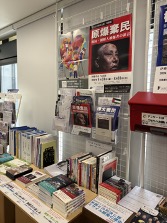
The Gift Shop on the Groud Floor
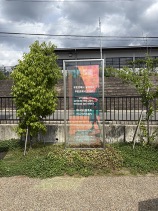
A Sign Outside the Museum
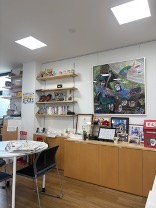
The Ground Floor of the Museum