By: Akua and Zach
On this day, we began our journey to Kyoto on the Shinkansen bullet train. This is Japan’s high speed bullet train that is known for its fast and efficient system. It connects many cities across Japan with its structure and well-planned rails. Operated by the Japan Railway Group, the Shinkansen is admired for its high-speed travel and little to no delays (if late, it would be seconds rather than minutes). This transportation is seen as a symbol of technological advancement for the country and is a transportation system that can inspire other countries.
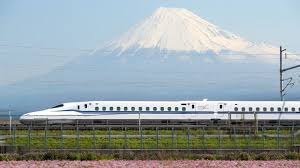
Thinking about the Shinkansen experience, one reason the USA does not have high- speed railway systems like this one is because the country was built to be largely car centric. Accessible trains are mostly in large cities like New York City. Although the U.S.A. has regional lines like Flordia’s brightline that connects Orlando to Miami, projects like that are only possible because of Flordia’s lax zoning laws. Unlike the car centric nature of USA, we realized that although many Japanese people love cars and have a car culture of their own, few Japanese people drive cars because of how difficult it is to park a car or get around as quickly as a train or subway.
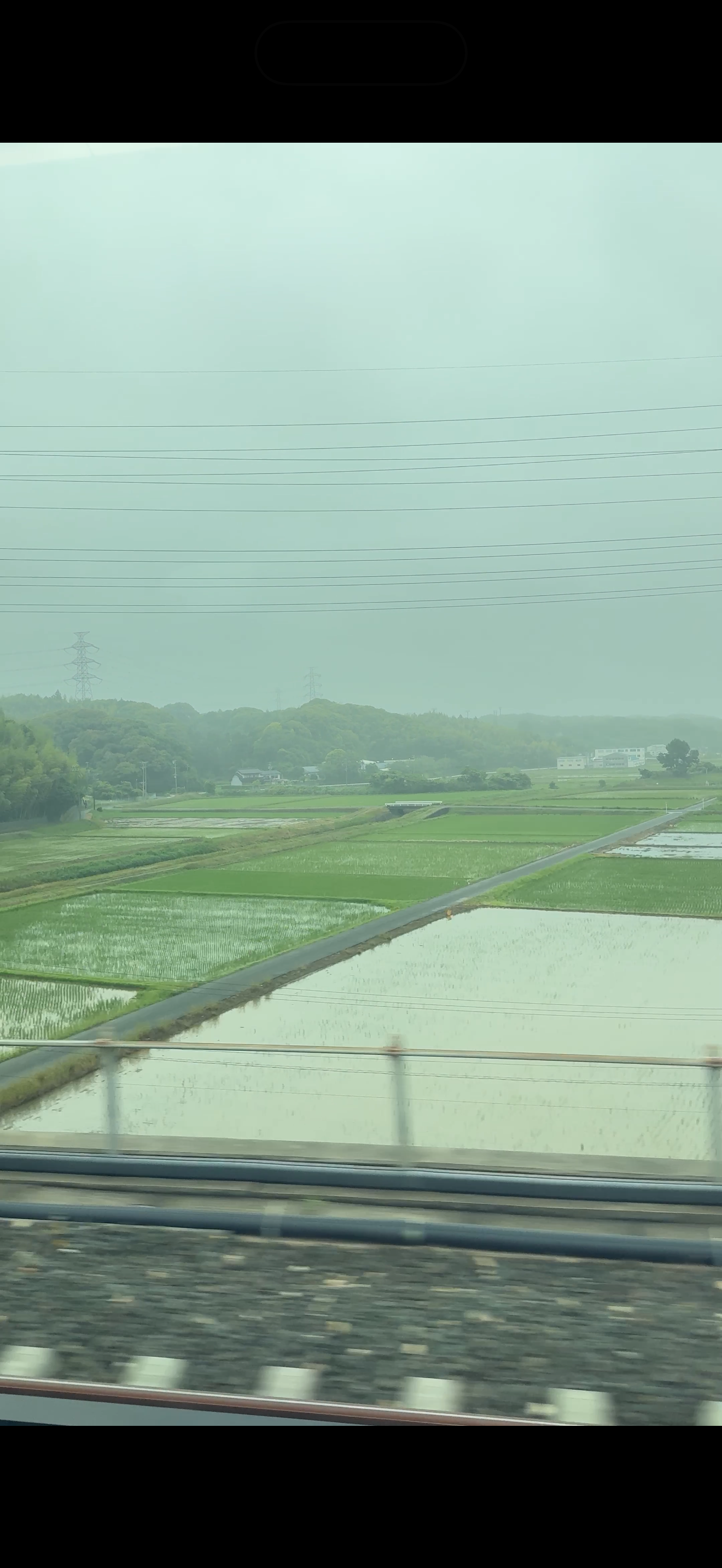
On our way to Kyoto, we observed how the train had a lot of leg room, overhead space for suitcases and more room for luggage at the back. As a group we all got bento boxes from the station and had them on the train. While on the journey we noticed the difference between Kyoto and Tokyo throughout the train ride. Kyoto had many farms, rice fields and mountains, and the urban design was outside of the typical high-rise city architecture. We got off the train after two hours and made our way to our first bus ride of the whole Japan transportation experience. It is quite similar to the U.K. bus system because it had the same card transaction method (Suica in Japan and Oyster in U.K.) and the same seat style. While riding the bus, we noticed more differences between Kyoto and Tokyo because Kyoto seemed to have more buses, bicycles and felt more homey in the sense of having an elderly population (for the area we stayed at). Kyoto was much quieter and as opposed to Tokyo, there were fewer high-rise buildings.
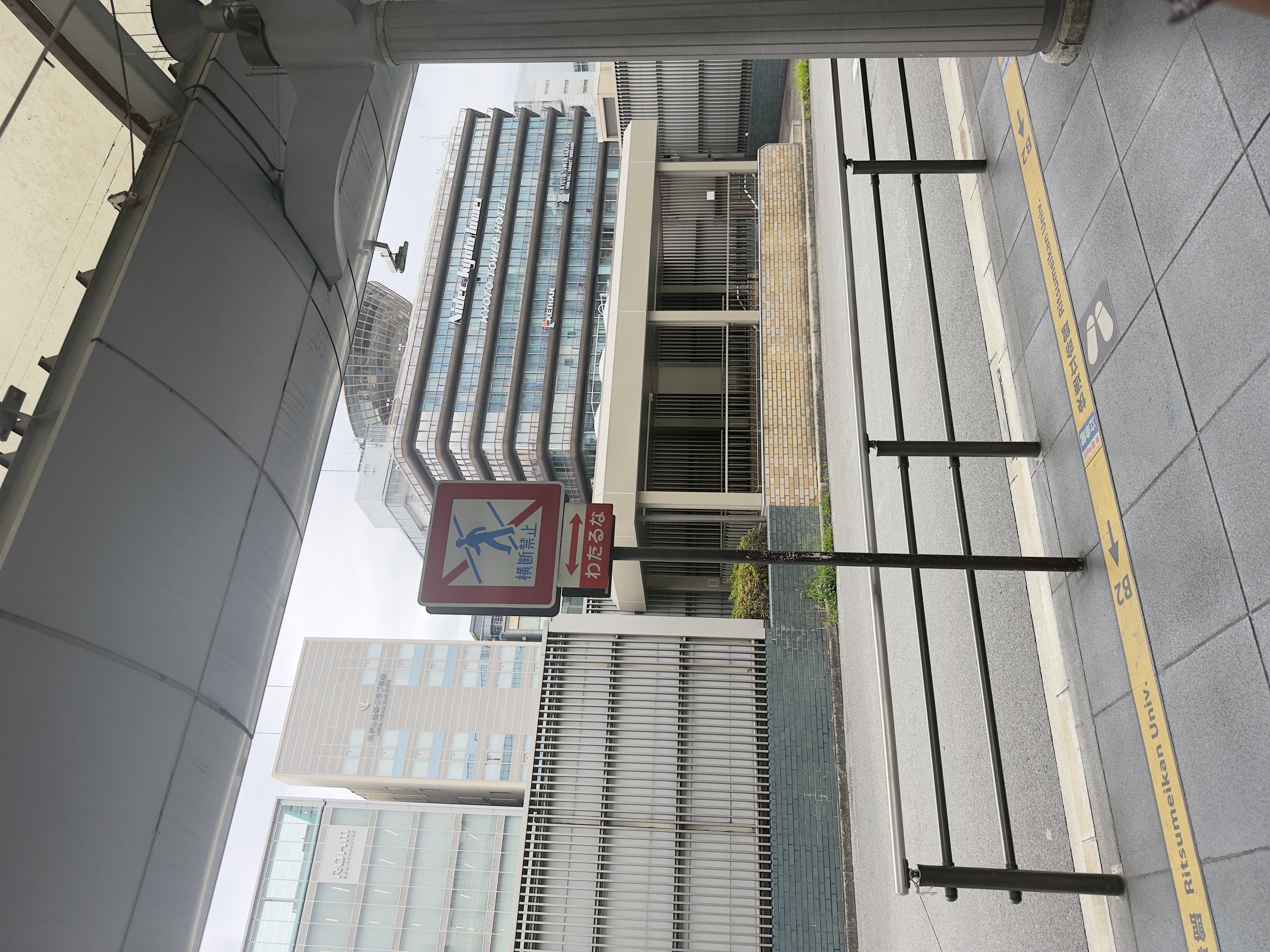
To conclude, we had a very smooth ride on the Shinkansen and ultimately were immersed into a different experience in Kyoto tan Tokyo. They differed in many ways from the common transportation mode to the architecture and in some ways the demographic residing in the aera. To immerse yourself in our Shinkansen ride, you can imagine a fast, smooth, quiet, and zero turbulence car ride or a much better airplane ride.